For cooks making delicate sauces
You want to adjust the heat easily as you stir, so compare the controls and power levels rather than looking at boost power alone.


If you’re using a single pan and don’t have space for a built-in hob, a portable induction hob could be a good option, provided the pan base matches the cooking zone. For larger batches or several pans at once, compare built-in hobs by their usable zones, controls, cut-out dimensions and connection requirements. A sensor function alone doesn’t prove that cheese sauce won’t catch.
You want to adjust the heat easily as you stir, so compare the controls and power levels rather than looking at boost power alone.
You’re preparing several meals and need to make sure the pan base, usable cooking zone and, if needed, space for additional pans all work together.
You need an extra hob that you can put away after use, rather than a new worktop cut-out.
First, decide between a portable hob for one pan and a built-in hob with more cooking space. Then consider how easy it is to adjust the heat, whether the pan base matches the cooking zone, and the space and connection requirements.
| What to consider | What to check before buying | Who is this important to? |
|---|---|---|
| Controlling the heat as you stir | Compare the controls and power levels, and check that you can reach and adjust the settings easily while stirring. | If I need to adjust the heat while stirring, easy-to-use controls matter more to me than a boost function. Around 36% of consumers would put controllable heat first when making this choice. |
| Pan size and cooking zones | Match the magnetic area of the pan base to the cooking zone. If you’ll use other pans, check the layout of the zones and the available space. | When making a larger batch, I want to know whether my pan will fit the zone and whether there’s room for other pans. Around 29% of consumers would prioritise pan size and usable cooking zones. |
| Portable extra hob | Check the space you have available, the specified connection type and whether the pan base is compatible. | If I don’t have space for a built-in hob, I want to be able to put an extra hob away after use. Around 21% of consumers would put portability first. |
| Installation and connection | Check the cut-out dimensions and appliance width against your kitchen, and check the connection requirements for the specific model. | When replacing or installing a hob, I want to know whether it will fit my worktop and suit the existing connection setup. Around 14% of consumers would prioritise a suitable fit. |
Different power or sensor functions don’t prove how a hob will perform when you’re making cheese sauce.
Check the controls and the settings you can adjust on the specific model. Don’t treat boost or a frying sensor as a guarantee that food won’t catch.
With induction, the magnetic part of the pan base is what matters. Its area may differ from the visible diameter of the pan.
Check that the pan is suitable for induction, then compare the magnetic area of its base with the intended cooking zone.
Built-in hobs have model-specific cut-out dimensions and connection requirements. Some models are supplied without a mains plug.
Before buying, check the installation and connection requirements for the exact model.
The TILLREDA version described is a portable, single-zone hob.
The PXX645HC1M built-in model described combines four cooking zones, flexible zones and DirectSelect controls.
The KID6645AB built-in model described has four cooking zones and a FlexBridge function.
The EX975LXC1E built-in model described is 90 cm wide and has five cooking zones.
The 60 cm T66SHE4L0 built-in model described has flexible cooking zones and Twist Touch controls.
This selection of Joybuy products includes portable induction hobs and built-in hobs. Before choosing, compare the information about pan space, controls and the connection requirements for each model.
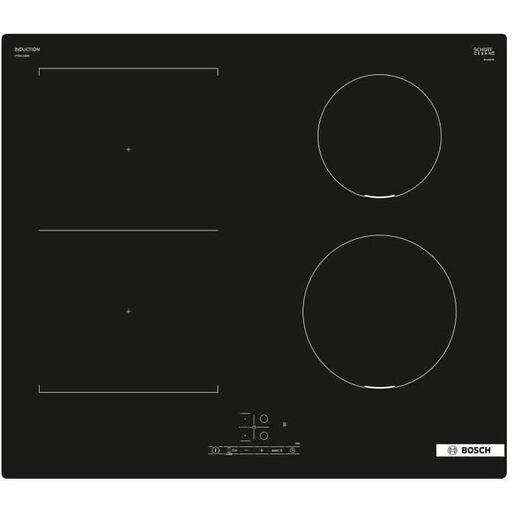 No image available
An option to compare if you’re looking for a built-in hob with four zones and TouchSelect controls.
Four cooking zones, TouchSelect, timer, 6.900 W. Built-in appliance; the description says installation should be carried out by a qualified electrician.
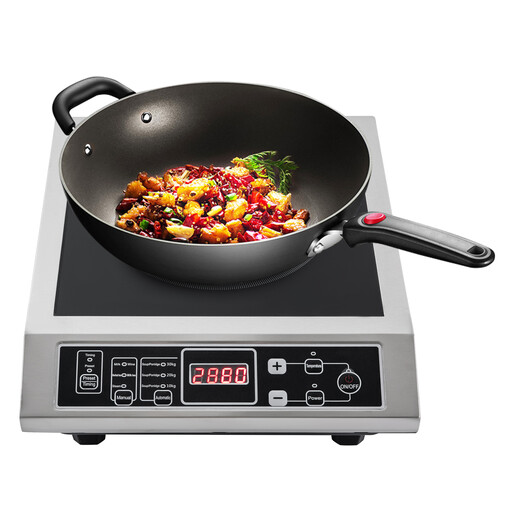 No image available
A portable extra hob to compare if you’re not looking for a built-in model.
The description lists eight temperature settings from 80 °C to 270 °C, a timer and overheat protection. These specifications don’t guarantee a particular sauce temperature.
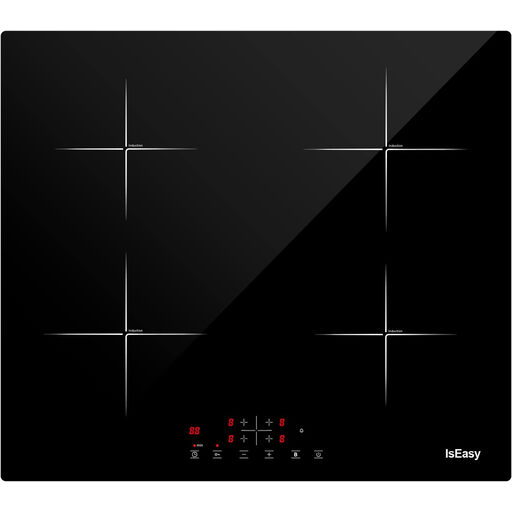 No image available
An option to compare if you’re looking for a built-in hob with several cooking zones.
Four zones, 6.800 W, nine power levels per zone and a timer from 1 to 99 minutes. The description specifies a cut-out of 560 × 490 mm and installation by a qualified electrician.
 No image available
A portable hob to compare if you want to use two pans on an extra hob.
The product title specifies two cooking zones and five temperature settings. The description highlights its compact, lightweight design for portable use.
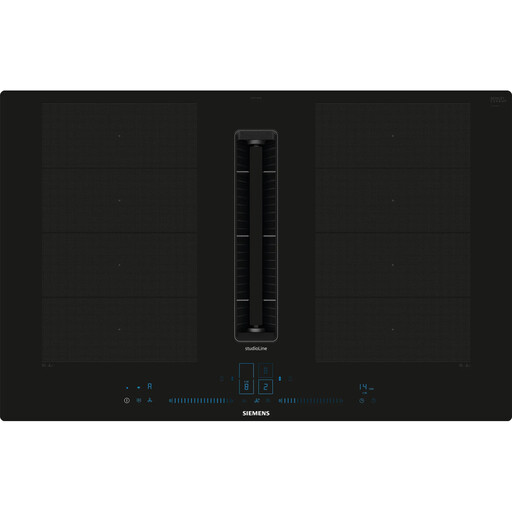 No image available
An option to compare if you’re looking for a built-in hob with flexible zones and an integrated extractor.
The description lists four cooking zones, 17 power levels and powerMove Plus. It also states that professional connection is required for installation, along with suitable ducting or filters depending on whether you use extraction or recirculation.
Only if the pan base is magnetic and suitable for induction. Also compare the effective magnetic area of the base with the cooking zone; the material description ‘stainless steel’ alone doesn’t determine whether it’s suitable. Electrolux Support Germany also points this out.
Not necessarily; check the connection requirements for the specific model. Siemens explicitly states that the EX975LXC1E must be connected without a plug by a qualified electrician, while IKEA lists the TILLREDA version described as having a plug.
Compare the controls and power levels of the specific hob so you can adjust the settings as you stir. A boost or sensor function alone doesn’t guarantee a particular sauce temperature or prove that the sauce won’t catch.
The German Federal Institute for Risk Assessment recommends cooling hot food quickly to below 7 °C if it’s to be stored for longer. This food hygiene advice doesn’t specify how long a particular cheese sauce will keep.
Under Section 13(2) of the Low Voltage Connection Ordinance, work on electrical installations may only be carried out by an installation company listed in a network operator’s installers’ register, except where the work is carried out by the network operator itself. This does not apply generally to plugging in a portable appliance designed to be plugged in.