What to look for when buying
First decide whether you want to freeze prepared cappuccino or just the espresso base. Then choose whether to prepare the milk manually or use a drink recipe, and check how the process works on the specific machine.
| Buying priority |
What to look for |
Who it matters most to |
| Batch workflow |
Check the design of the specific model and whether it can dispense coffee and steam at the same time. Lelit says the Elizabeth PL92T can; Coffee Circle describes the temperature change needed with basic single-boiler machines. |
If I’m making several portions in a row, I don’t want to waste time waiting to switch between brewing and steaming. Around 33% of consumers prioritise the workflow for preparing a larger batch. |
| Milk preparation and care |
Compare drink recipes with a manual steam wand, and check how accessible and easy to clean the milk system is. Philips lists cappuccino and LatteGo for the German EP5547/90. |
If I make cappuccino regularly, I don’t want to froth the milk by hand for every portion, but I still want to be able to manage cleaning easily. Around 27% of consumers care most about operating and cleaning the milk system. |
| Freezing and texture |
Choose between prepared cappuccino and the espresso base. Plan to use suitable portion containers and chill and thaw everything hygienically; the German Federal Institute for Risk Assessment recommends thawing frozen food in the fridge wherever possible. |
If foam texture matters to me, I want to know in advance whether to freeze the finished drink or just the base. Around 20% of consumers put freezing quality and hygiene first. |
| Overall effort |
Check what comes with the exact model, what accessories you’ll need and what cleaning involves. Consider whether you want to froth the milk at all before freezing. |
If I only prepare a batch occasionally, I want to avoid unnecessary equipment and extra cleaning. Around 20% of consumers say overall effort is their main priority. |
Joybuy products
This selection includes portafilter machines with automatic milk frothing, as well as bean-to-cup machines for cappuccino. For each model, check whether the process and cleaning requirements suit the batch you’re planning to make.
 No image available
Sage Barista Touch
For people who want to make their own espresso and froth milk automatically. Grinding, tamping and fitting the portafilter are still part of the process.
Features an integrated conical burr grinder, automatic microfoam and a touchscreen.
View at Joybuy
 No image available
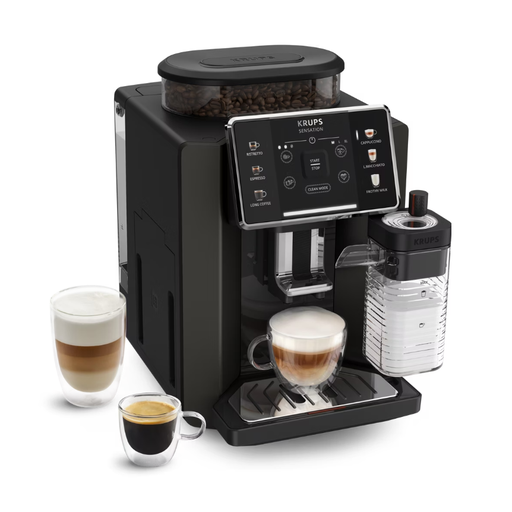
Krups Sensation Milk EA9129
For people who would rather make cappuccino with a bean-to-cup machine than froth milk by hand.
According to the product description, cold milk should be put in the milk container for milk-based drinks.
View at Joybuy
 No image available
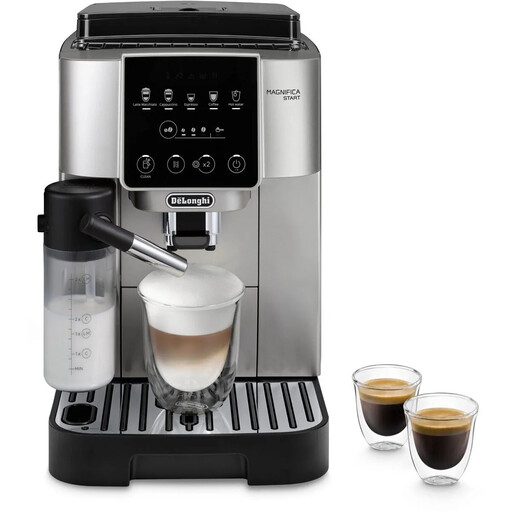
De’Longhi ECAM 220.80.SB Magnifica Start
For people who want to make cappuccino using an automatic drink selection.
Features a LatteCrema Hot Milk System, 13-setting conical burr grinder, 1,8-l water tank and 250-g bean hopper.
View at Joybuy
 No image available
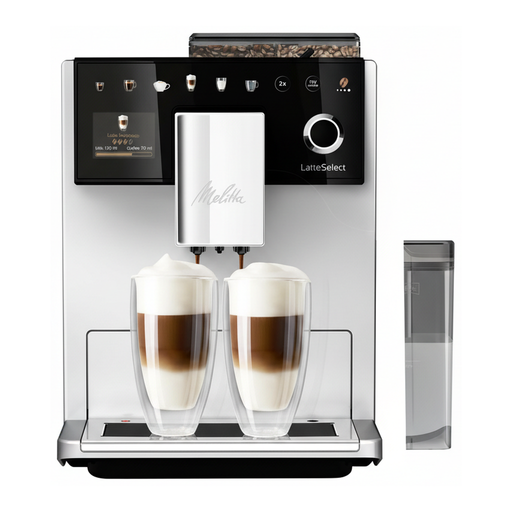
Melitta Latte Select Silver F630-212
For people who want to make cappuccino and other milk drinks automatically.
Factor daily cleaning of the milk system into your routine.
View at Joybuy
 No image available
Ninja Luxe Premier ES601EU
For people who want to make espresso and froth milk separately using different foam programmes.
Features an integrated grinder and milk frother, with four foam programmes. According to the product description, the portafilter, frother and grinder should be cleaned after use.
View at Joybuy
Frequently asked questions
Should I freeze prepared cappuccino or just the espresso?
If foam texture matters to you, freezing the espresso base and adding fresh milk later is an alternative worth trying. You can’t assume prepared cappuccino will retain the same texture after freezing, so try a small portion first if you want to freeze it.
How should I thaw portions containing milk?
Keep milk cold, handle it hygienically and use suitable, labelled portion containers. The German Federal Institute for Risk Assessment recommends thawing frozen food in the fridge wherever possible, as germs can multiply when food is thawed at room temperature. This doesn’t provide a specific safe storage time for cappuccino.
Do I need a separate grinder for a portafilter machine?
It depends on the specific model: De’Longhi lists an integrated grinder for the La Specialista Arte Evo EC9255.M EX:2. For other machines, check what’s included and whether there’s a grinder, rather than assuming based on the machine type.
Who should I contact if the machine develops a fault?
When you buy as a consumer, your statutory rights are with the seller. These are separate from any voluntary manufacturer’s or retailer’s guarantee. The Consumer Advice Centre recommends checking the terms of any extra guarantee; it doesn’t replace your statutory rights.
What should I check to make sure an electrical appliance complies with German requirements?
Mains-powered espresso machines within the scope of the Low Voltage Directive — that is, those operating at 50 to 1,000 V AC — must meet the relevant EU safety requirements. The European Commission explains the scope of the directive, while the German Federal Network Agency lists CE marking and manufacturer information among the points to check. A CE claim on a product page is not an independent safety test.


