
Lieferung heute & morgen

Qualitätsgarantie

Willkommens-Angebote freischalten: KOSTENLOSE Lieferung | Bis zu 80 % RABATT | Kostenlose 30-Tage-JoyPlus-Testphase
App herunterladen
The desire for authentic, café-quality espresso leads many coffee lovers to purchase their own portafilter machine. But the market is flooded with tempting offers and technical specs that confuse more than they clarify. As a Joybuy Product Recommendation Officer, I see every day which features truly matter and which are just marketing rhetoric. This guide will help you navigate the common pitfalls and make an informed decision.
Before we dive into the important features, let's look at the three most common mistakes that lead to disappointment and unnecessary expense.
To make a smart purchase, focus on these three core features. They are the primary determinants of your coffee's quality and the machine's longevity.
As mentioned, it's not the maximum pressure that's crucial, but the consistency. A 20-bar espresso machine has a powerful pump that offers plenty of reserve capacity. More importantly, however, the machine should have a temperature control system. Ideally, there are separate thermostats for coffee brewing (approx. 90–95°C) and steam generation (over 100°C). This allows for quick switching between pulling shots and frothing milk without long waiting times.
For most home users, a modern thermoblock system offers a good compromise between speed and performance.
A coffee machine with a steam wand is essential for lovers of cappuccino and latte macchiato. There are two main types:
Instead of presenting an overwhelming list, we've selected products that match specific user profiles and meet the quality criteria mentioned.

Why This Fits Their Persona: Ideal for anyone looking to upgrade from capsule or super-automatic machines to a true espresso machine with a milk frother. It offers manual control for an authentic barista experience without breaking the bank.
The stainless steel housing avoids the trap of inferior materials. The separate thermostats for coffee and steam indicate thoughtful temperature control that goes beyond mere pressure ratings.
The combination of a 20-bar pump, a manual steam wand for fine microfoam, and a compact, robust design makes it a versatile entry-level portafilter machine.
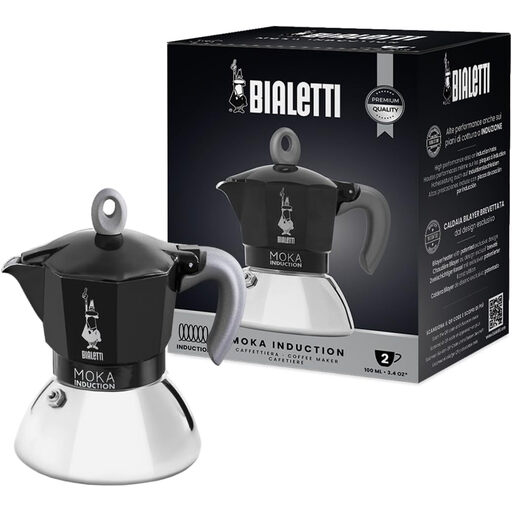
Why This Fits Their Persona: For purists who appreciate the traditional, strong coffee from a moka pot and are looking for a modern solution for induction stovetops. An alternative to a portafilter machine that relies on proven technology.
This product bypasses the complexity of modern machines. There are no electronics that can fail. The focus is on material quality (aluminium and stainless steel) and a simple yet effective brewing method.
The combination of the classic aluminium top and a stainless steel boiler makes it suitable for all stovetops, including induction. A timeless design that works reliably.
A great espresso deserves a fitting cup. Discover our selection of high-quality, insulated stainless steel coffee cups that maintain temperature and protect the aroma.
The frequency largely depends on the water hardness in your area. As a rule of thumb, descaling every two to three months is recommended. Only use descalers specifically designed for espresso machines to avoid damaging seals and metal parts.
A correct grind size is crucial. For espresso, you need a fine, consistent grind that feels roughly like fine table salt. If the coffee is ground too coarsely, the water will run through too quickly (under-extraction). If it's too fine, the water can barely pass through, leading to over-extraction and a bitter taste. A high-quality coffee grinder with a conical or flat burr is therefore a worthwhile investment.
Technically, it's possible, but it's not recommended for an optimal result. The pre-ground coffee available in supermarkets is rarely fine enough for a portafilter machine and loses its aroma very quickly. Investing in a coffee grinder and grinding fresh beans just before brewing makes a significant difference in the cup and is the key to a thick, stable crema.