
Lieferung heute & morgen

Qualitätsgarantie

Willkommens-Angebote freischalten: KOSTENLOSE Lieferung | Bis zu 80 % RABATT | Kostenlose 30-Tage-JoyPlus-Testphase
App herunterladen
Acquiring a portafilter machine is the decisive step towards enjoying café-quality espresso at home. However, the market is flooded with tempting offers and technical specifications that often confuse more than they clarify. Many buyers invest in a device that fails to meet their expectations because critical features were overlooked or obscured by marketing buzzwords. This guide will help you identify the crucial factors and make an informed choice.
Before we dive into the important parameters, let's clear up three common misconceptions that often lead to disappointment:
To find the right barista coffee machine for your needs, you should carefully examine three core technical aspects.
The heating system determines how quickly the machine is ready for use and how stable the temperature remains during brewing and milk frothing.
The brew group is the heart of the machine, where the portafilter is locked in. Its material and diameter are crucial for thermal stability. Professional machines often use a 58 mm portafilter diameter and brew groups made of solid brass, which ensures excellent heat retention and distribution. More affordable entry-level models often use smaller diameters (e.g., 51 mm or 54 mm) and lighter materials.
The quality of the grind is non-negotiable for espresso. If you opt for a portafilter machine with a grinder, look for a conical or flat burr grinder with as many fine adjustment steps as possible. This gives you the control to precisely match the grind size to the coffee bean and ambient conditions. A separate coffee grinder often offers more precision and flexibility but requires additional space and a larger budget.
Here are some recommendations tailored to different user profiles that take the previously mentioned pitfalls into account.
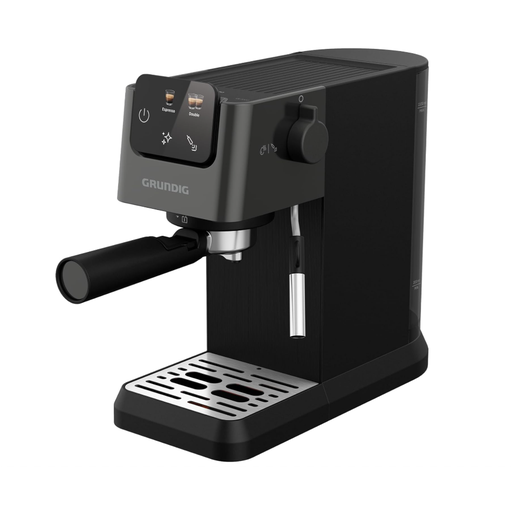
Why it's a match: Ideal for those who want to enter the world of portafilter espresso without a large initial investment. The operation is streamlined to the essentials, allowing you to learn the basic preparation steps with pre-ground coffee.
This model forgoes an integrated grinder, thus bypassing the compromise of a subpar one. Users can choose a separate grinder or start with high-quality, pre-ground espresso coffee.
The simple operation via a touch display and the integrated milk frothing nozzle offer a straightforward entry into preparing espresso and cappuccino.
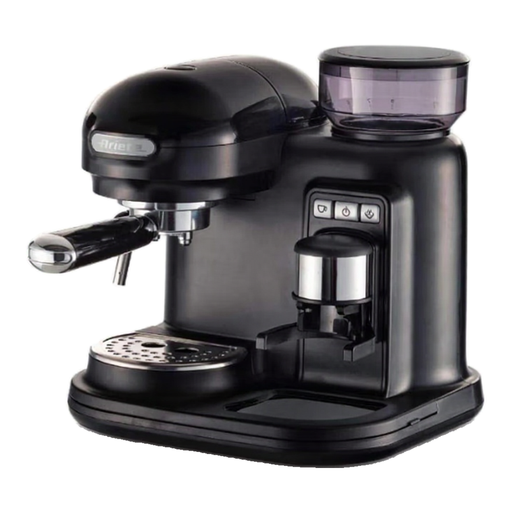
Why it's a match: For users who appreciate the convenience of an all-in-one solution. Grinding the beans right before extraction maximizes aroma without needing a separate device. The stylish design is also an eye-catcher in the kitchen.
The integrated grinder provides a solid foundation for fresh coffee. It avoids the pitfall of completely inadequate grinders by delivering a grind quality suitable for home use, ensuring a full-bodied espresso.
The combination of an integrated grinder, espresso machine, and milk frother in one device offers a highly streamlined and space-saving process from bean to cappuccino.
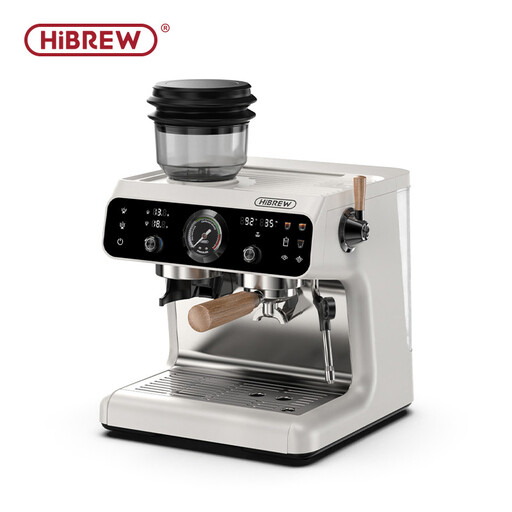
Why it's a match: For coffee lovers seeking maximum control and performance. This model brings professional features into the home kitchen and is perfect for experimenting with different beans and roast profiles.
The dual boiler system with a PID controller directly addresses the problem of temperature instability. It delivers consistent temperatures for brewing and steaming, which is essential for reproducible results.
The combination of a dual boiler, PID control, a 58 mm brew group, and a grinder with 30 settings offers a level of control and performance typically found only in much more expensive, professional machines.
We have compiled a complete, up-to-date list of products that fully meet these strict selection criteria and local safety regulations.
The frequency of descaling depends on the water hardness in your area and how often you use the machine. As a general rule, descale every two to three months. Many modern machines have a reminder function. Using filtered water can significantly reduce the need for descaling and extend the life of the machine.
Espresso requires a very fine grind, similar in consistency to fine table salt or powdered sugar. However, the exact grind size must be fine-tuned to achieve an extraction time of about 25-30 seconds for a double espresso. If the grind is too coarse, the water will flow through too quickly (under-extraction); if it's too fine, it will flow too slowly (over-extraction).
A machine with an integrated grinder can be a good, space-saving, and convenient solution for beginners. However, it is crucial to pay attention to the quality of the grinder. Models with a high-quality conical or flat burr grinder and many adjustment steps offer the necessary flexibility to achieve good results and grow with your skills.