If protein content is your main concern, it’s worth comparing specific packs: according to ALDI SÜD, FARMER peanuts contain 29 g of protein per 100 g, while EDEKA whole almonds contain 24.7 g, according to EDEKA. But for a post-workout snack, the portion you actually eat, the ingredients, and the salt and sugar content matter too. These two examples don’t establish a general ranking for all nut products.
Which comparison is right for you?
Active people focused on protein
If you want to eat nuts or peanuts after a workout, compare the protein content per 100 g and work out how much that means for the portion you plan to eat. The German Nutrition Society says that protein requirements in sport depend on the type of sport and the level of exertion.
People who want to plan their portions
If you want to keep an eye on the energy content of your snack, check not only the nutritional information but also how much you actually take from the pack. With larger packs in particular, you can portion out what you plan to eat before you start.
People who train on the go and check ingredients
For your gym bag, pack size and portability matter. It’s also worth checking the ingredients, salt and sugar content, and allergen and may-contain information for nuts, mixes and bars, as their ingredients can vary.
What should you look for when buying?
First, compare the protein content using the same measure, then decide how much you want to eat. Ingredients and pack format may influence your choice too.
| Criteria |
What to check when buying |
Who it matters most to |
| Protein content |
Compare protein per 100 g and per planned portion; assess nuts, peanuts and bars separately. |
After a workout, I mainly want to know how much protein is in the portion I’ll actually eat. For around 33% of consumers, protein content would be the main reason for buying. |
| Energy and portion size |
Check the energy content per 100 g and decide how much you want to eat before you start. |
If I’m snacking from a larger pack, I want to keep track of how much I eat. Around 27% of consumers would prioritise portion planning. |
| Ingredients and allergens |
Read the ingredients list, salt and sugar information, and allergen and may-contain information on the specific pack. |
If I have an allergy or want to avoid added ingredients, the labelling on the specific pack determines my choice. For around 20% of consumers, ingredients and allergens would be their main concern. |
| Portability |
Check the pack size and consider whether you can take the portion you want with you. |
Between training and the journey home, I need a snack I can pack in the right amount. For around 20% of consumers, portability would be the main reason for buying. |
Common mistakes when buying nuts
-
Comparing the product name instead of the protein content
A nut bar with ‘protein’ in its name doesn’t necessarily contain more protein than whole nuts or peanuts. Seeberger lists 20 g of protein per 100 g for its protein nut bar, while ALDI SÜD lists 29 g per 100 g for FARMER peanuts.
Start by comparing protein per 100 g, then look at how much you actually plan to eat. For bars, compare the ingredients and sugar and salt content too.
-
Overlooking portion size
Protein per 100 g doesn’t tell you how much protein is in the portion you eat. Similarly, the energy content per 100 g doesn’t automatically correspond to a handful.
Decide on your portion before eating from a larger pack, then work out the nutritional values for that amount.
-
Treating unsalted and salted varieties as the same
Similar types of product can have different salt levels. EDEKA lists 0.01 g of salt per 100 g for whole almonds; for a product with roasted and salted cashews, EDEKA lists 1 g per 100 g.
Compare the nutritional information for the varieties you’re actually considering, and check the ingredients list for seasoned products too.
-
Overlooking allergen and may-contain information
If you have an allergy, you can’t assess peanuts, almonds and nut mixes by their product names alone. Depending on the product, information about other potential allergens may also be relevant.
If you have a known allergy, check the current labelling on the specific pack, including the ingredients list and may-contain information.
Brands to help you compare
FARMER / FARMER NATURALS bei ALDI SÜD
A supermarket own-label option for peanuts and other nut products.
- ALDI SÜD lists 29 g of protein per 100 g for FARMER peanuts, making this specific pack worth considering if you’re comparing protein content.
- ALDI SÜD notes that products and nutritional information may vary between suppliers. The information on the pack you buy is therefore the one to rely on.
EDEKA / GUT&GÜNSTIG
Own-label ranges with specific documented varieties of almonds, peanuts and cashews.
- EDEKA whole almonds are listed as containing 24.7 g of protein and 0.01 g of salt per 100 g. These specific nutritional values make it easier to compare them with other packs.
- EDEKA notes that products may not be available in every store and that the information on the packaging is the one to rely on.
Seeberger
A brand offering nut mixes and an individually portioned protein nut bar.
- According to Seeberger, its Power Nut Mix contains walnuts, almonds and cashews, with 22 g of protein per 100 g.
- Seeberger lists 20 g of protein, 13 g of sugar and 0.69 g of salt per 100 g for its protein nut bar. Its 35 g format is easy to take with you, but it isn’t the same as a portion of plain nuts.
Alesto bei Lidl
Lidl’s own-label range includes nut products, including mixes.
- A mix may suit you if you want different types of nuts in one pack.
- When comparing protein, ingredients and salt, check the nutritional information and ingredients list on the specific Alesto pack you choose.
REWE Beste Wahl
REWE’s own-label range includes different types of almonds.
- Plain and roasted almonds offer different starting points for comparing ingredients and nutritional information.
- Check the specific variety and its packaging information rather than assuming that the nutritional values for one pack of almonds apply to another.
Nut products and peanut butter at Joybuy
This selection for a post-workout snack includes peanuts, almonds, salted pistachios and cashews. Peanut butter, on the other hand, is an ingredient for putting together your own snack. For all these products, it’s worth checking the portion size and information on the pack.
 No image available
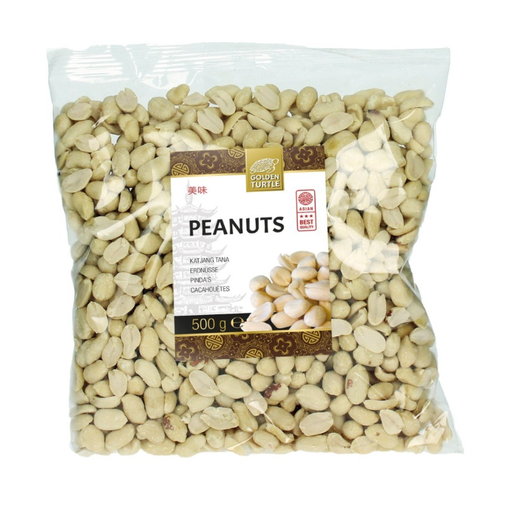
Golden Turtle Peanuts 500 g
For a peanut snack after your workout, you can portion out what you want from this 500 g pack in advance. Compare the protein content and, if you have allergies, check the current labelling.
View at Joybuy
 No image available
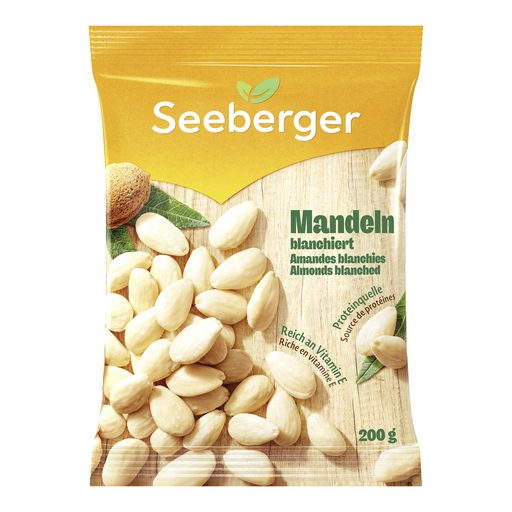
Seeberger Whole Blanched Almonds 200 g
Whole almonds are an option if you’d prefer a nut snack to a bar. Compare the protein content of this 200 g pack with other types of almonds and check the allergen information.
View at Joybuy
 No image available
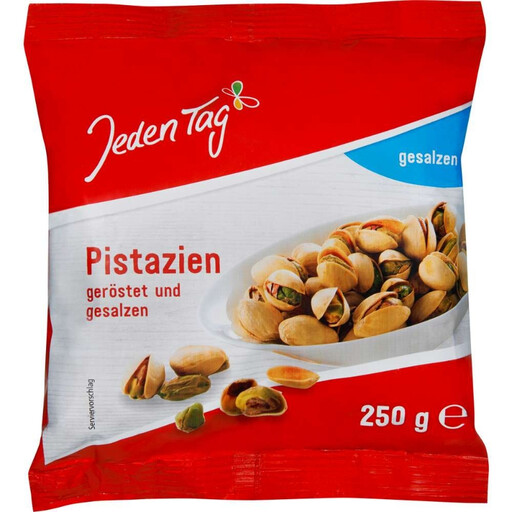
Jeden Tag Roasted and Salted Pistachios in Shells 250 g
A pistachio snack where you’ll need to remove the shells. If you’re comparing salt levels or the portion eaten with shelled nuts, take the information on the pack and the weight of the shells into account.
View at Joybuy
 No image available
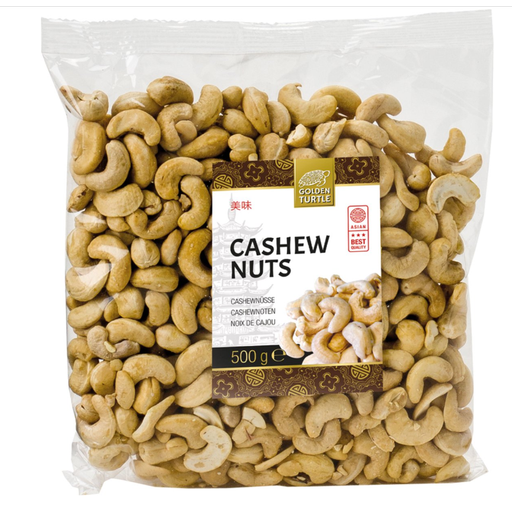
Golden Turtle Cashew Kernels 500 g
Cashews are another nut option for a snack. If protein is your main priority, compare the amount per 100 g with the peanut and almond packs, and plan your portion from this 500 g pack.
View at Joybuy
 No image available
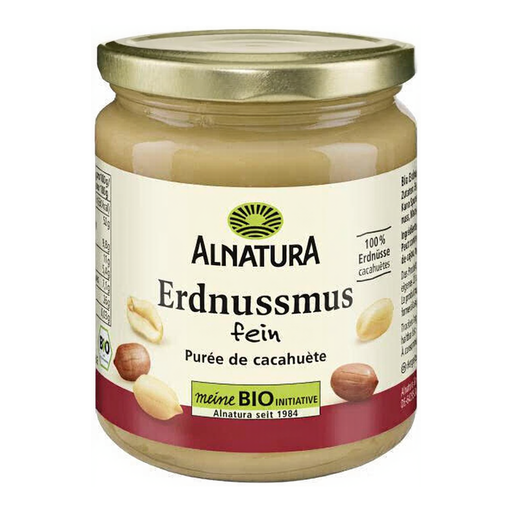
Alnatura Creamy Organic Peanut Butter 250 g
Peanut butter may work as a spread or an ingredient if you’re not looking for a snack made from whole nuts. The nutritional values of the finished snack depend on how much you use and any other ingredients you add.
View at Joybuy
Post-workout snack FAQs
Are nuts enough on their own as a post-workout snack?
You can’t tell whether a portion suits your needs just from the type of product. The German Nutrition Society says that protein requirements in sport depend on the sport and level of exertion. So compare the protein in the portion of nuts you’ll actually eat with what you want to eat overall.
Should I choose unsalted or salted nuts?
If salt content matters to you, compare the amount per 100 g on the specific packs. EDEKA lists 0.01 g of salt per 100 g for whole almonds and 1 g per 100 g for a product with roasted, salted cashews. These values don’t automatically apply to other varieties.
What should I check if I have a nut or peanut allergy?
If you have a known allergy, check the ingredients list and the allergen and may-contain information on the current pack. Lebensmittelverband Deutschland explains allergen labelling; for your decision, the information on the specific product you choose is what matters.
How should I store shelled walnuts after opening?
According to Verbraucherzentrale Rheinland-Pfalz, shelled walnuts are best stored in an airtight container in the fridge or freezer. Seal the pack or transfer the walnuts to a suitable container.


