For those focusing on protein
If you’re looking for a savoury snack to take with you after a workout, compare the protein content per 100 g and per bag. Salt and ingredients are worth considering too.


If you want a crunchy snack to help you get some protein after a workout, choose protein crisps based on the protein content of the portion you’ll actually eat, as well as the salt and ingredients. If you’re mainly after something to nibble on, classic potato crisps can work too. For individual bags and multipacks, the weight of each bag is key. According to the German Nutrition Society, healthy adults aged 19 to under 65 who do no more than five hours of sport a week do not have an increased protein requirement.
If you’re looking for a savoury snack to take with you after a workout, compare the protein content per 100 g and per bag. Salt and ingredients are worth considering too.
If you want to take a small bag with you, check the pack weight and how much energy and fat your portion contains.
If you have an allergy or intolerance, or follow a particular diet, check the label on the specific variety and pack. Similar crisps can contain different ingredients.
Start by comparing the nutritional values per 100 g, then check the weight of the bag you actually plan to eat. This makes it easier to compare a small single-serve bag with a larger snack bag.
| What to consider | What to check when buying | Who it matters to |
|---|---|---|
| Protein content | Protein per 100 g and the weight of the bag you’ll eat; then check the salt and ingredients. | If I want a savoury snack to help me get protein after a workout, the amount per portion matters to me. Around 40% of consumers would put protein content first. |
| Portion size, energy and fat | Grams per individual bag, as well as energy and fat per 100 g and per portion. | When I’m out and about, I want to choose a bag size that suits the snack portion I have in mind, while also bearing energy and fat in mind. For around 30% of consumers, portion size would be the main consideration. |
| Ingredients and allergens | The ingredients list and allergen information on the specific pack; check for possible traces too. | If there are ingredients I can’t have, the label on the variety I buy determines what I choose. Around 20% of consumers would prioritise checking ingredients and allergens. |
| Flavour and crunch | Choose the type of crisps you want, and don’t assume their nutritional values match those of another variety. | Sometimes, after a workout, I simply want to nibble on classic potato crisps rather than get a particular amount of protein. Around 10% of consumers would put this enjoyment factor first. |
A 50-g or 60-g bag contains only a corresponding proportion of the nutrients listed per 100 g.
Work out the protein, salt and energy for the amount you plan to eat. If you’re buying a multipack, use the weight of an individual bag.
A fat comparison relates to a specific product used for comparison. On its own, it doesn’t tell you how much energy, salt or protein your chosen portion contains.
Compare the nutritional information for the specific products on the same basis: first per 100 g, then per planned portion.
A More-Protein tortilla snack listed by REWE contains soya and milk protein. Lorenz notes that Crunchips Rustics may contain milk.
If you have an allergy or intolerance, read the ingredients list and allergen information on the pack you’re actually buying.
The German Nutrition Society says that protein requirements depend on factors including how much you train. It does not recommend an increased intake for healthy adults aged 19 to under 65 who do no more than five hours of sport a week.
Think of the snack as a possible between-meal option, rather than assuming it’s a necessary part of your post-workout diet just because of its product name.
ALDI SÜD sells ALDI SPORTS Protein Chips Paprika in a 60-g pack.
funny-frisch offers Protein Chips made with lentil flour and pea protein, alongside other snack ranges.
Lorenz Crunchips Rustics are classic potato crisps for anyone who cares more about this type of crisp than getting a particular amount of protein.
This selection includes a multipack of small bags, a larger bag of lentil crisps and a single pack of potato crisps. The right pack depends on whether you want to portion out your snacks, choose lentil crisps or simply tuck into potato crisps.
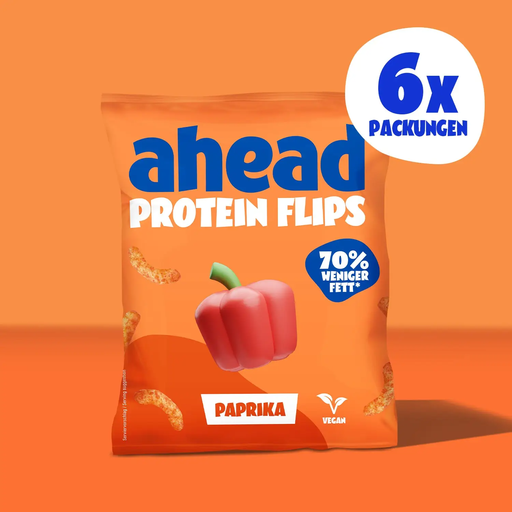 Image unavailable
If you want to take individual snack portions with you, this multipack contains six 50 g bags. Compare the protein and salt content using the nutritional information on the specific pack.
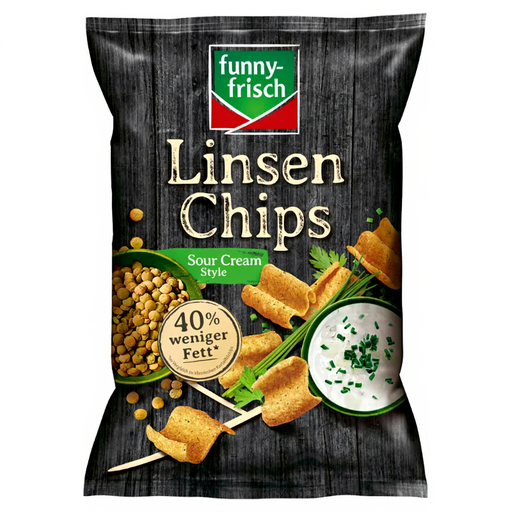 Image unavailable
These lentil crisps are an option if you’d prefer one larger bag to several smaller portions. The bag contains 90 g. Before buying, check the nutritional information and, if you have a milk or soya allergy, the label on the specific pack.
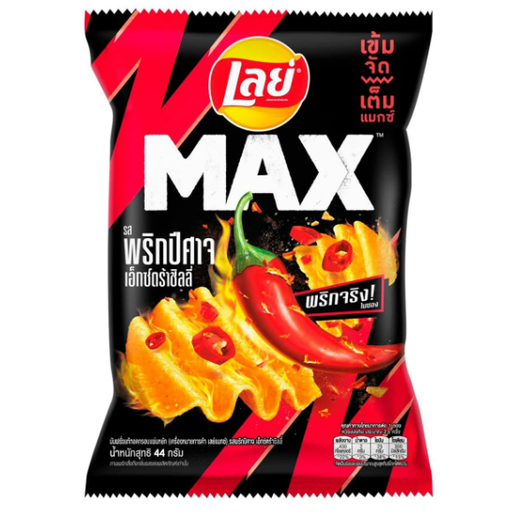 Image unavailable
If you’d rather have potato crisps than a snack chosen for its protein content after a workout, this is a single 44-g pack. The Ghost Pepper flavour is best suited to anyone who likes a spicy kick. Check the salt and allergen information on the pack too.
No, a protein snack isn’t necessary after every workout. According to the German Nutrition Society, healthy adults aged 19 to under 65 who do no more than five hours of sport a week do not have an increased protein requirement. For higher levels of training, it takes account of training status and goals.
Read the ingredients list and allergen information for the exact variety on the pack you buy. For example, a More-Protein tortilla snack listed by REWE contains soya and milk protein; you can’t assume that other products or recipes have the same ingredients.
No. For a post-workout snack, bag size, energy, fat, salt and ingredients matter too. Start by comparing the information per 100 g, then work out the values for the amount you plan to eat.