
Lieferung heute & morgen

Qualitätsgarantie

Willkommens-Angebote freischalten: KOSTENLOSE Lieferung | Bis zu 80 % RABATT | Kostenlose 30-Tage-JoyPlus-Testphase
App herunterladen
The term "potato noodles" is surprisingly diverse, covering everything from Italian gnocchi and Korean ramen to Chinese glass noodles. This variety, however, can be confusing when you're shopping. If you're not careful, you can easily end up with a product that is unsuitable for your intended dish, has a disappointing texture, or contains hidden fats. This guide will help you avoid the most common pitfalls and find the perfect potato noodles for your taste.
Many shoppers are guided by the packaging without checking the crucial details on the ingredients list. This often leads to three typical problems:
To find the right potato noodles, you should check three core parameters. These will give you reliable guidance that goes beyond marketing promises.
The noodle's base determines its texture and cooking properties. The composition is the most important indicator of the final eating experience.
Potato noodles come in various forms, each requiring a different preparation method.
The origin often provides the best clue to its intended use.
Here are some recommendations tailored to different needs and preferences.
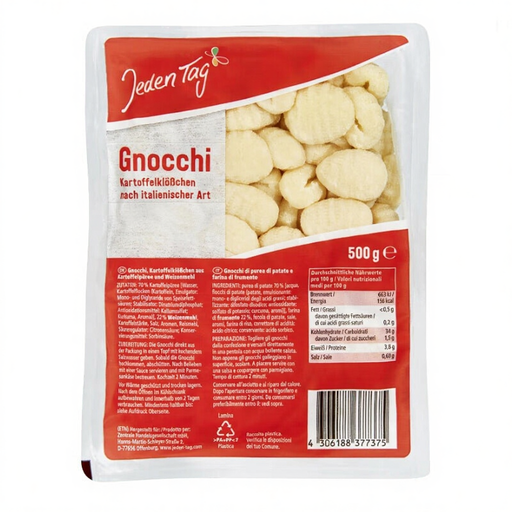
Why This Fits Their Persona: Ideal for anyone seeking the authentic, soft bite of classic gnocchi for a quick yet traditional Italian dinner. Perfect for the pantry.
This product is clearly labelled as gnocchi and delivers the expected soft, pillow-like texture, rather than being mistaken for an Asian-style noodle.
Very quick to prepare in just 2 minutes; a versatile base for various sauces.
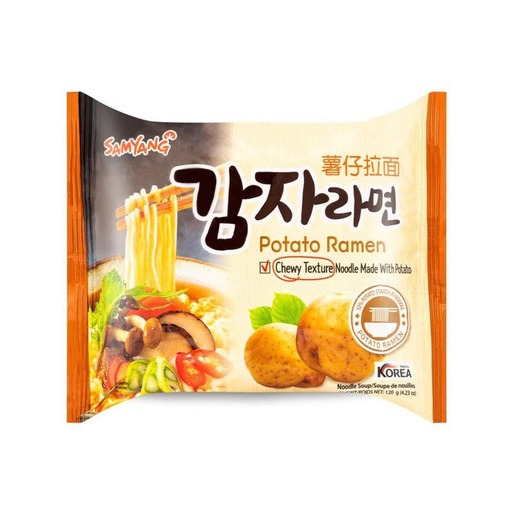
Why This Fits Their Persona: Perfect for professionals or students looking for a quick but flavourful meal. It takes just a few minutes to prepare and delivers an authentic Korean taste experience.
The high potato starch content (46% according to the manufacturer) provides the promised chewy texture that stands out from pure wheat noodles.
Unique, springy noodle texture; savoury, well-balanced broth.
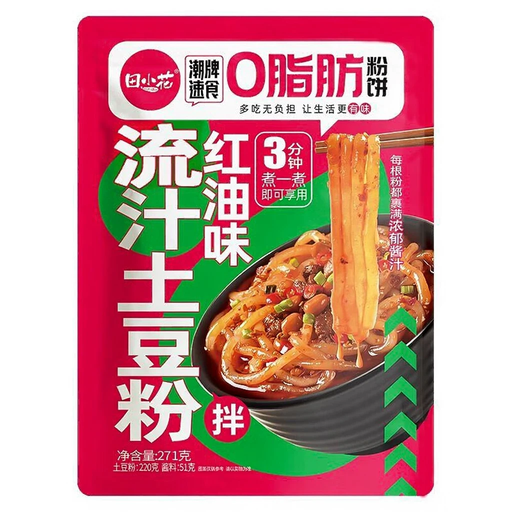
Why This Fits Their Persona: This product is aimed at those who want a quick meal without added fat in the noodles themselves. The noodles are based on pure potato starch, making them a lighter alternative.
The product description explicitly highlights the 0g fat content for the noodles. This avoids the hidden fat pitfall, as the user has control over adding the seasoning oil.
Fat-free noodle base; smooth and chewy texture; quick preparation by just adding hot water.
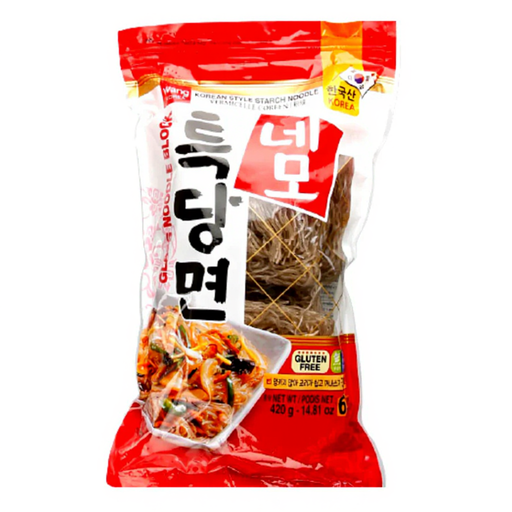
Why This Fits Their Persona: These noodles are the authentic ingredient for traditional Korean dishes like Japchae. Made from 100% potato starch, they provide the essential chewy texture for authentic culinary projects.
No compromises: This product is not a wheat blend but is made from pure potato starch. This guarantees the correct translucent and elastic consistency for sophisticated dishes.
Authentic ingredient for Korean Japchae; naturally gluten- and fat-free; very stable when cooked.
We've compiled a complete, up-to-date list of products that fully meet these strict selection criteria.
It depends entirely on the composition. Sweet potato glass noodles or products made from 100% potato starch (like those from Wang) are naturally gluten-free. However, many instant potato noodles or Korean ramen contain wheat flour as a primary ingredient and are therefore not suitable for a gluten-free diet. Always check the ingredients list on the packaging.
The key is not to overcook them. A reliable method is to first soak the dry noodles in lukewarm water for about 20–30 minutes until they are pliable. Then, cook them in boiling water for just a few minutes (often 1–3 minutes) or stir them directly into a hot stew or stir-fry until they reach the desired chewy consistency. Rinsing them briefly with cold water after cooking stops the cooking process and preserves their elastic texture, which is especially useful when preparing cold noodle salads.
The main difference lies in the ingredients and the resulting texture. Gnocchi are made from cooked potatoes or potato purée, flour (usually wheat), and sometimes egg. The result is a soft, fluffy dumpling. Asian potato noodles, on the other hand, are almost always based on pure potato or sweet potato starch. This starch creates a translucent, very elastic, and chewy noodle when cooked, with a consistency more comparable to a gummy bear than a dumpling.