
Same-day & Next-day Delivery

Quality Guaranteed

Unlock Your Welcome Offers: FREE Delivery | Up to 80% OFF | Free 30-day JoyPlus trial
Download the APP
Potato noodles, often known as potato ramen, have secured a firm place in the pantries of Asian cuisine lovers. Their distinctive, chewy, elastic texture sets them clearly apart from conventional instant wheat noodles. However, with the growing selection of brands and flavours, finding the right product isn't always easy. Many buyers are disappointed after the first spoonful because the product doesn't meet their expectations.
This guide will help you identify the common pitfalls when buying instant potato noodles and make an informed decision. We focus on the objective characteristics that define a good potato noodle.
Before you buy potato noodles, you should be aware of these common issues to avoid disappointment and unnecessary expense.
To ensure you find the right product for your taste and needs, you should check three core parameters.
The most important characteristic of noodles with potato starch is their unique consistency. This is directly determined by the percentage of potato starch in the noodle mix.
Instant potato noodles can be roughly divided into two categories that result in completely different dishes.
The packaging often gives a clue about the intended use and preparation method.
Here are some recommendations tailored to different flavour profiles and needs.
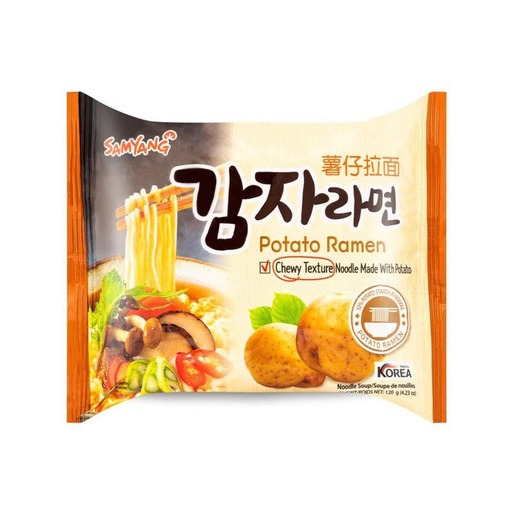
Why This Fits Their Persona: Ideal for those specifically seeking the characteristic chewy, elastic texture that defines Korean potato ramen. The clear focus here is on the mouthfeel.
With a 46% potato starch content, it clearly sidesteps the "potato label deception" pitfall. The ingredient list delivers exactly what the name promises.
Outstanding chewy texture; a savoury but not overly spicy broth that complements the noodle flavour.
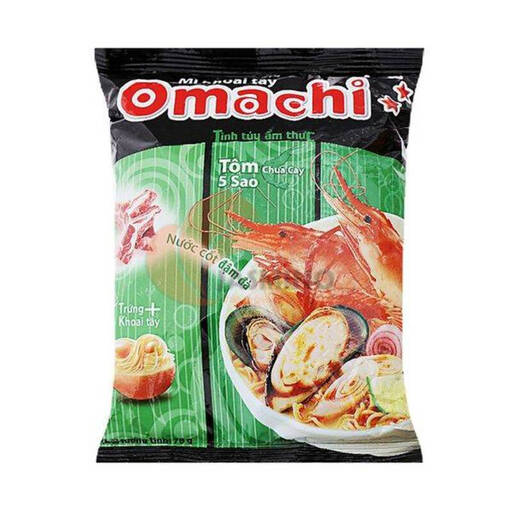
Why This Fits Their Persona: Perfect for anyone looking for a quick, flavour-intensive meal with the classic hot-and-sour profile of a Vietnamese soup. The taste is the main focus here.
The name "Hot & Sour Shrimp" precisely describes the flavour profile, avoiding the "spiciness gamble." Preparation as a soup is straightforward and fast.
Balanced, robust flavour profile with notes of lemongrass and chilli; simple preparation as a complete soup meal.
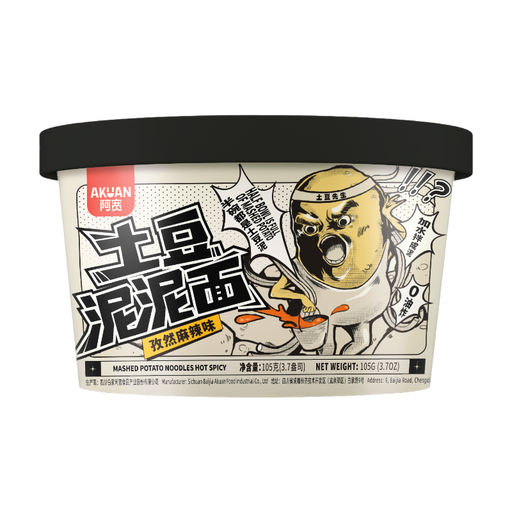
Why This Fits Their Persona: For the curious who are seeking a completely new experience. The combination of noodles and mashed potato flakes creates a unique, creamy texture, complemented by an authentic Sichuan flavour.
This product bypasses all the pitfalls by being intentionally different. It doesn't promise traditional ramen, but an innovative mix. Plus, the in-bowl preparation is maximally convenient.
Unique texture from the combination of noodles and mashed potatoes; bold cumin and mala flavour; convenient in-bowl preparation.
We have compiled a complete, up-to-date list of products that fully meet these strict selection criteria.
The crucial difference lies in the texture. The addition of potato starch gives the noodles a significantly chewier, more elastic, and smoother consistency than pure wheat noodles. They remain more al dente even with longer cooking times and develop a pleasant, springy mouthfeel.
No, not at all. There is a wide variety of flavours. While brands like Samyang are often known for their spicy versions, there are just as many mild and savoury options, such as broths with beef, pork rib, or chicken flavours. Pay attention to the product name and description to gauge the level of spiciness.
The most important factor is choosing a product with a high potato starch content. During preparation, it is crucial to follow the instructions on the package precisely. In particular, the cooking time should not be exceeded. For dry noodles, it's important to mix them with the sauce immediately after draining to prevent them from sticking together.