
Lieferung heute & morgen

Qualitätsgarantie

Willkommens-Angebote freischalten: KOSTENLOSE Lieferung | Bis zu 80 % RABATT | Kostenlose 30-Tage-JoyPlus-Testphase
App herunterladen
Potato noodles are taking kitchens by storm, and for good reason. They offer a fascinating alternative to traditional wheat noodles and are deeply rooted in both Asian and Italian cuisine. However, the growing selection can quickly become overwhelming. Not every product labelled "potato" will deliver the desired result. Before making a choice, it's helpful to know a few common pitfalls to avoid disappointment.
As your Joybuy Product Recommendation Officer, I'm here to help you separate the wheat from the chaff. In this guide, we'll highlight the key characteristics of potato noodles and show you what to look for.
potato ramen for a light glass noodle salad recipe or trying to make an authentic Korean Japchae with Italian gnocchi will inevitably lead to culinary disasters. The shape and texture of the noodle must match the dish.instant potato noodles differ significantly from those for traditional potato glass noodles, which need to be boiled or soaked. Improper preparation can ruin the texture, making the noodles either too hard or too mushy.To ensure you find the right product for your culinary project, you should check three core parameters. These will help you correctly assess the quality and intended use of a package of potato noodles.
The foundation of any potato noodle is starch, but the type and proportion are crucial for texture and flavour.
potato glass noodles (Dangmyeon), turn translucent when cooked and develop a distinctly chewy and springy texture. They are an excellent choice for gluten-free noodles.Sweet potato glass noodles are also very popular and known for their silky smoothness and a slightly softer, yet still chewy, consistency. They are perfect for soups and stews as they absorb flavours well.instant potato noodles and potato ramen combine potato starch with wheat flour. This creates a noodle that is chewier than pure wheat noodles but lacks the glassy transparency and extreme elasticity of pure starch noodles. Be sure to check the ingredient list if you are avoiding gluten.The shape of the noodle dictates which dishes it is best suited for.
instant potato noodles or ramen varieties. They can hold up well to rich, creamy, or spicy sauces without losing their structure.buy gnocchi, you are getting small, soft dumplings made from cooked potatoes and flour. They are in a category of their own and are not interchangeable with thread-like Asian noodles. They are typically boiled until they float to the surface and then served with pesto or tomato sauce.Your available time and enthusiasm for cooking will determine which preparation method is right for you.
Here are some recommendations from our range, tailored to specific needs and preferences.
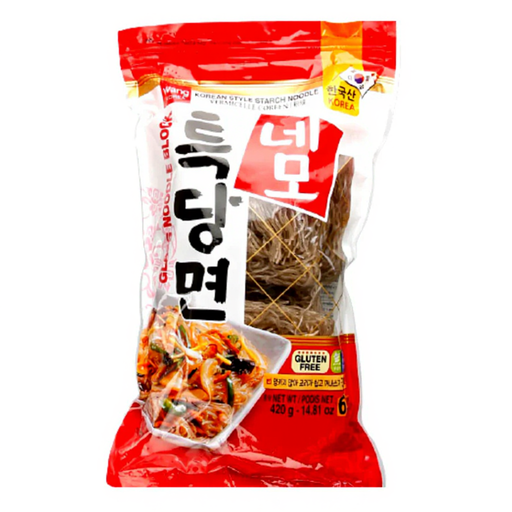
Why it's a match: Ideal for anyone who wants to prepare authentic Korean dishes like Japchae. These noodles provide the traditional, chewy texture that is essential for this dish.
Made from 100% potato starch according to the ingredient list, it avoids the low-potato-content trap. As a traditional cooking ingredient, it's clear that it's not intended for instant preparation.
Authentic, chewy texture and naturally gluten-free. Perfect for making Japchae noodles.
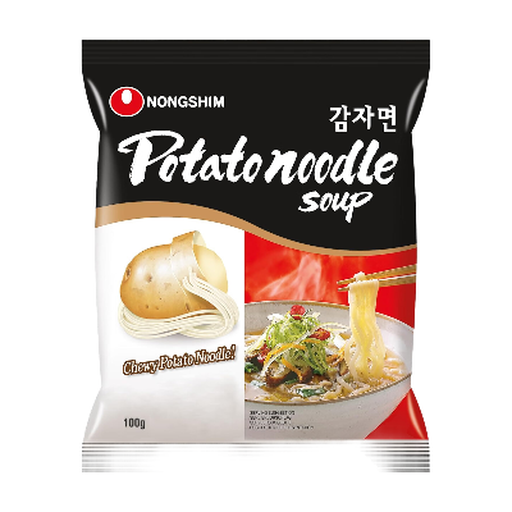
Why it's a match: Perfect for professionals or students looking for a quick, yet filling and flavourful meal. Ready in just a few minutes.
The high percentage of potato starch (49%) is clearly declared, ensuring the promised chewy texture. As an explicit instant product, there is no confusion about its preparation.
Very quick to prepare with a balanced, savoury umami flavour in a convenient single-serving portion.
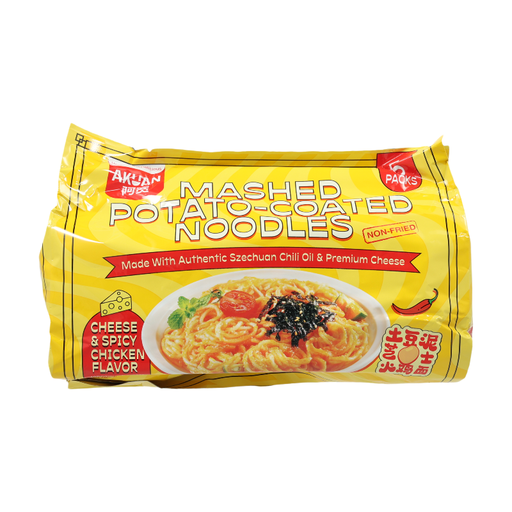
Why it's a match: For anyone looking for new and exciting flavour combinations. The fusion of mashed potato flakes, cheese, and a spicy kick is unconventional and satisfying.
The product description is very specific about its innovative concept (mashed potato and cheese). It clearly communicates that this is a novel convenience meal, which prevents false expectations.
A unique flavour combination of creamy cheese and spice. The convenient bowl packaging makes preparation straightforward.
We have compiled a complete, up-to-date list of products that fully meet these strict selection criteria and local regulations.
No, not necessarily. Products labelled as potato glass noodles or sweet potato glass noodles that list only the corresponding starch in their ingredients are typically gluten-free noodles. However, many instant potato noodles or potato ramen are based on a blend of potato starch and wheat flour, and therefore contain gluten. A careful look at the ingredient list is essential for individuals with celiac disease or gluten sensitivity.
A proven trick is to rinse the noodles thoroughly under cold water in a colander immediately after cooking. This not only stops the cooking process but also removes excess surface starch responsible for sticking. If you're using the noodles for a salad or a stir-fry dish like Japchae noodles, you can toss them with a few drops of sesame oil after draining to keep them extra pliable.
Although both can be made from potatoes, they are fundamentally different products. Asian potato noodles are typically long, thread-like noodles made from pure potato or sweet potato starch. After cooking, they have a chewy, elastic, and often translucent texture. Italian gnocchi, on the other hand, are small, soft dumplings formed from a dough of cooked, mashed potatoes, wheat flour, and sometimes egg. Their consistency is fluffy and tender. So, when you buy gnocchi, you are purchasing a product for classic Italian cuisine that is completely different in texture and application from Asian noodle varieties.