
当日/次日达

品质保障

开启新人专享福利: 全场免邮 | 低至 2 折 | 免费试用 30 天 JoyPlus 会员
下载 Joybuy
Potato starch noodles are a versatile ingredient that is popular in Germany for hot pot, soups, stir-fries and quick Asian meals. Depending on the product, you may see names such as potato noodles, sweet potato glass noodles, Chinese glass noodles or Korean dangmyeon. The names sound similar, but they do not always refer to the same recipe or preparation method.
If you only look for terms such as “Zero Fat”, “authentic” or “extra chewy” when shopping, you can easily choose a product that does not suit your needs. The key factors are the ingredients list, the shape of the noodles, the seasoning sachets and the preparation instructions.
According to the ingredients list, dry glass noodles made from 100% potato starch or sweet potato starch contain no wheat. This applies, for example, to products that list only Potato Starch or Sweet Potato Starch. However, instant meals may contain wheat in the seasoning sauces, soy sauce or additional noodle ingredients.
A product containing potato starch may therefore still list wheat, gluten, soya, sesame or peanuts as allergens. The allergen information on the individual packaging remains the authoritative source.
With instant potato noodles, check whether the statement refers to the noodle portion or to the prepared product as a whole. Seasoning oil, sesame paste and chilli oil can significantly change the fat content. A product with a fat-free noodle block is not automatically fat-free if oil or sauce sachets are included.
Some products are prepared by pouring over boiling water and then draining. Others remain as a soup in the cooking water. If you are expecting a dry meal with sesame sauce or chilli oil, read the instructions carefully. Details such as “leave to stand for 3 minutes”, “drain” or “cook directly in the pan” make a practical difference.
The starch determines the texture and how the noodles can be used:
Longer, thinner Korean dangmyeon are generally well suited to japchae. Wider varieties work well in hot-pot dishes and recipes with plenty of sauce. For Chinese glass noodles with chilli oil or sesame sauce, a firm structure is useful so that the noodles do not break apart quickly when mixed.
Dried potato starch noodles often need to be soaked or boiled. For a product such as Fang Jia Pu Zi, 20 to 30 minutes of soaking followed by brief blanching is recommended. Alternatively, they can be boiled directly for around 5 to 8 minutes.
Instant varieties are more convenient, but depending on the product, they may require boiling water, draining or several soaking stages. Cups and bowls are convenient for the office or when you are out and about. For regular cooking, 400- or 420-gram bags are generally more versatile.
Spicy potato noodles may contain chilli oil, Sichuan pepper, vinegar, sesame paste or fermented soya sauces. These ingredients have a stronger influence on the flavour than the noodles themselves. Seasoning sachets also often increase the salt content.
Check the following before buying:
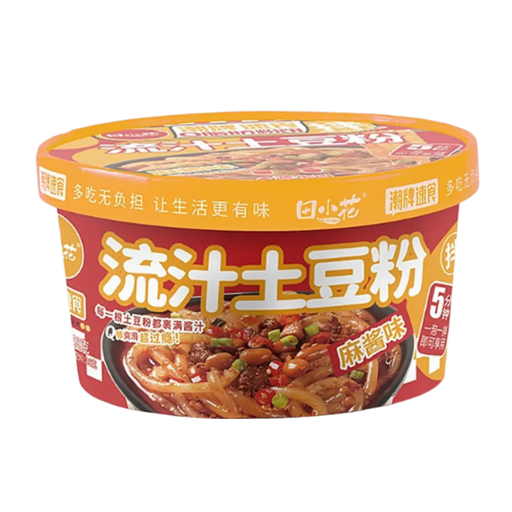
Why this product suits this profile: The 268g pack combines potato noodles with sesame sauce and several seasoning ingredients. It is suitable for a quick meal without the need for additional sauces.
The ingredients and nutritional information distinguish between the noodle block and the seasoning sachets. Allergens such as sesame, soya and wheat are listed and should be checked before purchase.
Convenient serving size, creamy sesame sauce profile and easy preparation with boiling water.
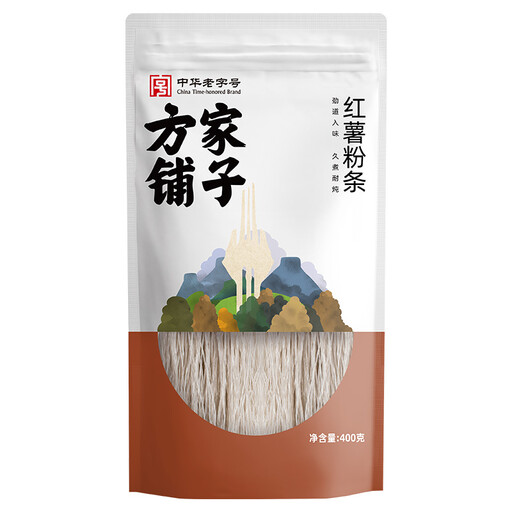
Why this product suits this profile: The ingredients list specifies 100% sweet potato starch. Its neutral flavour makes it suitable for hot pot, soups, stir-fries and cold salads.
Instead of an unclear instant mix, this is a pure base product. You can therefore choose the sauce, salt level and spice intensity yourself.
400g bag, 100% sweet potato starch and flexible preparation by soaking or boiling directly.
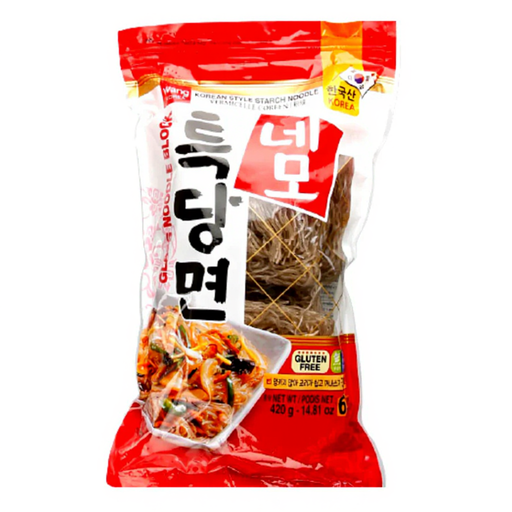
Why this product suits this profile: These Korean glass noodles made from potato starch are intended for japchae, hot pot and your own noodle dishes. The larger pack is ideal for regular use.
The ingredients list identifies potato starch as the only ingredient. Allergy sufferers should nevertheless follow the packaging advice regarding possible traces and refer to the current allergen labelling.
420g pack, 6 to 8 minutes’ cooking time and clearly stated suitability for japchae.
We have put together a complete, regularly updated list of products that fully meet these strict selection criteria and the safety regulations applicable in the EU.
Dry potato starch noodles should be prepared according to the instructions on the packaging. With long glass noodles, soaking can reduce the cooking time. For soups and hot pot, they are often added directly to the simmering liquid. After cooking, they can be rinsed briefly with cold water if they are intended for salads or japchae.
Opened bags should be stored in a cool, dry and well-ventilated place. An airtight container protects them from moisture, odours and breakage. Instant meals should be eaten immediately after preparation. Uncooked potato starch noodles are not suitable for direct consumption.
According to the ingredients list, noodles made from 100% potato or sweet potato starch are gluten-free. However, seasoning sauces or blends in instant products may contain wheat. The ingredients list and allergen information for the specific product must therefore be checked.
The cooking time depends on the thickness and type of product. It is often between 3 and 8 minutes. Some dried glass noodles need to be soaked for 20 to 30 minutes beforehand. The preparation instructions on the packaging take priority.
Yes, many varieties are suitable for hot pot because they absorb stock and sauces. Thin glass noodles cook more quickly, while wide sweet potato or potato starch noodles usually need a little longer. It is best to add them to the hot stock in portions and cook them through completely before serving.