
Lieferung heute & morgen

Qualitätsgarantie

Willkommens-Angebote freischalten: KOSTENLOSE Lieferung | Bis zu 80 % RABATT | Kostenlose 30-Tage-JoyPlus-Testphase
App herunterladen
By Joybuy Product Recommendation Officer, August 28, 2026
Preparing a juicy roast chicken or a crispy duck can be a real joy—until it's time to carve it. Using the wrong tool for this task often leads to frustration: blades that fail against bone, handles that hurt your hands, or a design that gives out after just a few uses. Choosing the right poultry shears is crucial for efficiency and safety in the kitchen. However, the market is flooded with models whose promises often don't match reality.
Before you make a decision, it's important to understand the common pitfalls that can lead to a bad purchase:
multi-purpose kitchen scissors are designed for everyday tasks like opening packages or cutting herbs. As soon as they encounter the stress of chicken bones, the blades bend or the joint loosens. True shears for chicken bones require a specialized, reinforced construction.heavy-duty household shears for meat should be made from a high-quality, corrosion-resistant steel.To avoid these problems, you should focus on three key features when making your selection. These determine whether a pair of shears is just another kitchen gadget or true kitchen carving shears.
The blades are the heart of any pair of shears. For effortlessly cutting through skin, meat, and small bones, two aspects are critical:
stainless steel kitchen shear often uses specific alloys like 40Cr13 stainless steel. This steel offers a good balance of hardness, sharpness, and corrosion resistance. The blades should also be sufficiently thick to avoid bending under pressure.The joint is the point where the greatest stress occurs. A stable, riveted or screwed connection is essential. Some models feature a spring mechanism that automatically reopens the handles after each cut. This significantly reduces hand fatigue during extended use. The entire construction must be designed for maximum leverage, allowing you to cut through tougher structures with manageable effort.
Safety and comfort go hand in hand. Since working with meat shears often involves wet or greasy hands, non-slip handles are of great importance.
Based on these objective criteria, we have identified several products that are suitable for different user profiles.
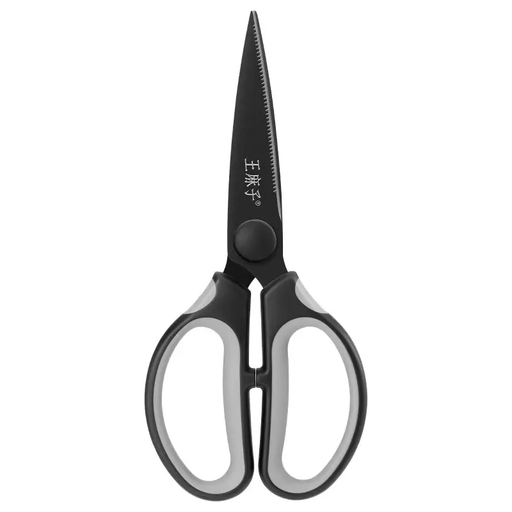
Why This Fits Their Persona: Ideal for cooks who need reliable and versatile shears for occasional use. They are robust enough for a weekend roast chicken but also practical for everyday cutting tasks in the kitchen.
This model is explicitly designed for cutting chicken bones, thus avoiding the "multi-function trap" by offering a robust construction for more demanding tasks.
The blades made of durable stainless steel and the ergonomic handles ensure good power transfer and a secure grip.
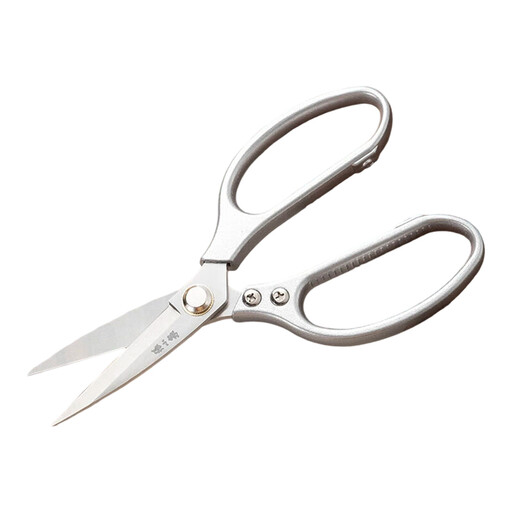
Why This Fits Their Persona: For those who regularly prepare poultry and want a tool designed for durability and high performance. The all-steel construction signifies high stability and a long service life.
The use of 40Cr13 stainless steel and the full-tang steel construction directly address the trap of inferior materials. This ensures lasting sharpness and resistance to rust.
The robust all-steel construction offers excellent durability and very good power transfer. The material is known for its edge retention.
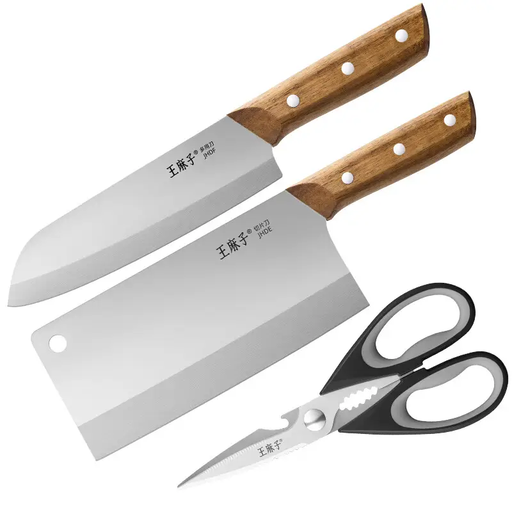
Why This Fits Their Persona: For users seeking not just a pair of shears, but a complete, coordinated solution for meat and poultry preparation. This set covers multiple steps with specialized tools.
Instead of relying on a single, overburdened multi-function tool, this set provides heavy-duty shears for rough work and specialized knives for precise cuts. This ensures every task is handled with the right tool.
The set offers a comprehensive package for kitchen work. The forged blades promise high sharpness and longevity, while the ergonomic wooden handles ensure comfort.
We have compiled a complete, up-to-date list of products that fully meet these strict selection criteria and safety regulations.
Most manufacturers recommend hand washing, even if the shears are labeled as dishwasher-safe. Harsh detergents and high temperatures in the dishwasher can, over time, degrade the sharpness of the blades and the handle material. Clean the shears after use with warm water and mild soap, dry them thoroughly, and store them in a dry place. An occasional drop of food-safe oil on the joint will keep the mechanism moving smoothly.
Yes, high-quality poultry shears can and should be resharpened as needed. Many models can be taken apart at the joint for this purpose, which makes accessing the blades easier. A special scissor sharpener or a whetstone can be used for sharpening. Be careful with models that have micro-serrations to avoid damaging them. When in doubt, a professional sharpening service can restore the original sharpness.
The main difference lies in their construction and durability. Poultry shears typically have stronger, often slightly curved blades, a more robust joint, and longer handles for better leverage. They are specifically designed to withstand the pressure of cutting through bones and joints. Regular kitchen scissors are intended for lighter tasks like cutting herbs, parchment paper, or packaging and would quickly reach their limits or be damaged if used on poultry.