
Lieferung heute & morgen

Qualitätsgarantie

Willkommens-Angebote freischalten: KOSTENLOSE Lieferung | Bis zu 80 % RABATT | Kostenlose 30-Tage-JoyPlus-Testphase
App herunterladen
Powder foundation can replace liquid foundation, set your make-up or help reduce shine when you’re out and about. But choosing the right product isn’t always straightforward. A product labelled “foundation powder” may offer light, buildable coverage, while a compact powder is more likely to be designed for setting make-up. Terms such as “airbrush”, “long-lasting” and “pore-refining” don’t necessarily describe the same product benefit.
A translucent setting powder often contains little or no visible pigment. It sets the base products you’ve already applied and can help reduce the appearance of shine. Powder foundation, on the other hand, contains colour pigments and can be worn on its own. If you’re expecting maximum coverage but have bought a translucent face powder, you’re unlikely to be happy with the result.
A high-coverage powder can do more to even out redness and uneven areas. However, its texture is usually more noticeable than that of a finely applied make-up powder with light coverage. For everyday wear, a buildable formula may be more practical: a thin layer looks subtle, while you can apply more product just where you need extra coverage.
“Fair”, “Light” and “Beige” aren’t standardised shade names. As well as the depth of the shade, its undertone matters: neutral, warm or cool. The wrong undertone can make your complexion look ashy, yellowish or reddish. Before buying, check the shade name, product images and—where available—the undertone description together.
Look for the difference between light, buildable and high coverage. A brush picks up less product and is often a good choice for an airy finish. The puff or sponge included with the product applies more powder to the skin, making it handy for targeted corrections and touch-ups when you’re out.
With a mattifying foundation, you don’t necessarily need to apply it all over your face. If you have combination skin, it may be enough to apply more pressed powder to your forehead, nose and chin. Too many layers can make dry patches more noticeable.
A matte finish can help reduce the appearance of excess shine. A natural or softly radiant finish often contains light-reflecting particles or blurring ingredients. Claims such as “pore-refining” or “Soft Focus” describe an optical effect, not a lasting change to your skin’s texture.
The current INCI list on the packaging is the one to check, as formulas can change. If you have sensitive skin, pay particular attention to fragrance and any ingredients you know you react to. “Vegan”, “fragrance-free” and “paraben-free” each describe a specific product feature and shouldn’t be treated as interchangeable. If you’re unsure, it may be worth testing a small amount on an inconspicuous area first. Stop using the product if irritation occurs.
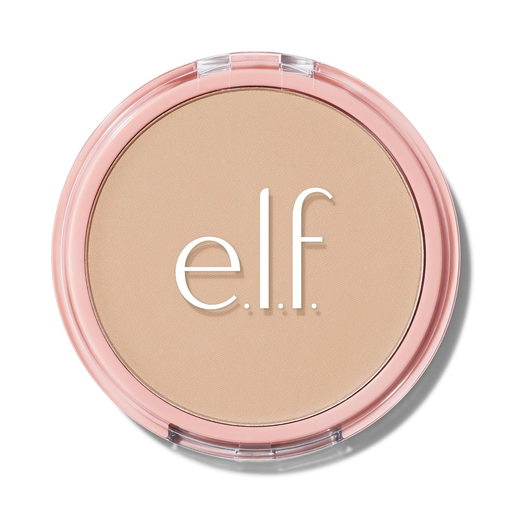
Why it suits this profile: The 9,9-g pack offers light, buildable coverage and can be worn alone or over liquid foundation. That makes it a versatile option for different make-up routines and a good way to try powder foundation for the first time.
Its buildable coverage means you’re less likely to reach for a full-coverage formula for every occasion.
Listed as vegan and cruelty-free; formulated with squalane and hydrolysed hyaluronic acid.
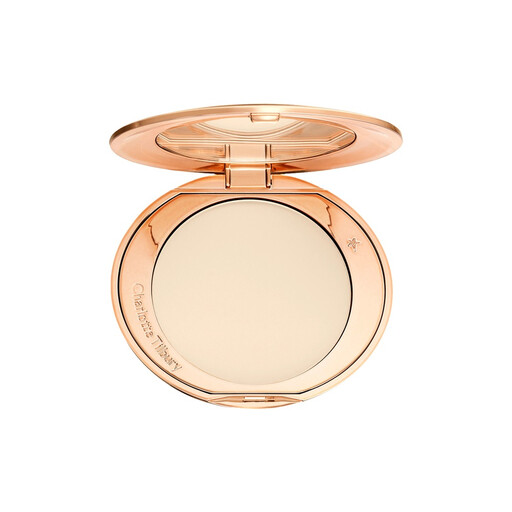
Why it suits this profile: This finely milled pressed powder is designed to set liquid or cream base products. Shade 01 Fair is described as suitable for lighter skin tones.
Using a brush or puff lets you apply a thin, controlled layer instead of a heavy coat all over.
The product description lists silica, mica and dimethicone; the pack contains 8 g.
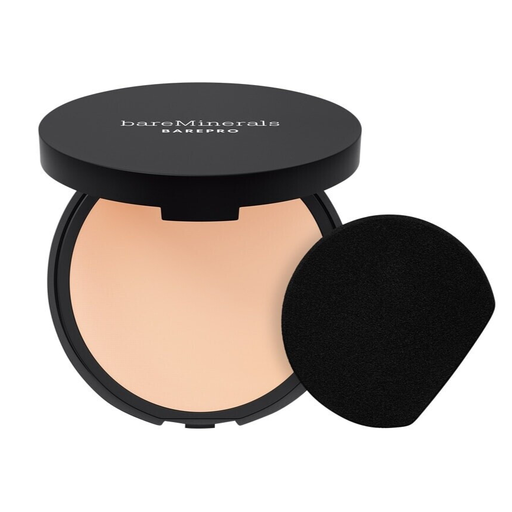
Why it suits this profile: This pressed foundation comes in several undertones and, according to the supplier, is suitable for dry, normal, combination and oily skin. The compact is handy for everyday make-up and touch-ups.
The Fair Neutral, Fair Warm and Fair Cool shades help you choose based on undertone as well as depth.
Listed as vegan, fragrance-free and paraben-free; offers buildable matte coverage.
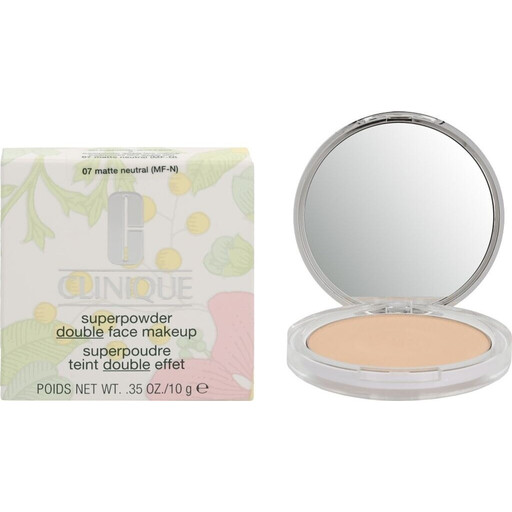
Why it suits this profile: According to the product description, this 2-in-1 product can be used as powder foundation on bare skin or as a finishing powder over liquid foundation. The formula is listed as fragrance-free.
Its two-in-one use means you don’t necessarily need separate products for foundation and setting.
Contains 10 g in shade 07 Neutral and comes with a sponge for targeted or all-over application.
We’ve put together a complete, regularly updated list of products that meet these strict selection criteria and fully comply with the safety regulations in force in the EU.
Powder foundation contains coloured pigments and can be used on its own to even out your complexion and provide coverage. Setting powder is often translucent or only lightly tinted, and is mainly used to set liquid or cream products.
Check the best-before date, batch symbol and period-after-opening indication on the packaging. Store the compact in a dry place, closed and out of direct sunlight. Stop using the product if its smell, texture or colour changes.
If you have oily skin, mattifying formulas with silica or similar absorbent ingredients may be worth considering. If you have sensitive skin, check the full INCI list, particularly for fragrance and any ingredients you know you react to. You can’t assume a product will suit you simply because it belongs to this category.