
Lieferung heute & morgen

Qualitätsgarantie

Willkommens-Angebote freischalten: KOSTENLOSE Lieferung | Bis zu 80 % RABATT | Kostenlose 30-Tage-JoyPlus-Testphase
App herunterladen
Powdered drinks promise a quick, easy, and often flavourful alternative to ready-to-drink beverages. Whether for sports, an energy boost at the office, or as a low-calorie refreshment, the market is diverse. However, this diversity also comes with pitfalls. Many products fail to deliver on the promises made by their colourful packaging, leading to disappointment and unnecessary expense.
Before making a decision, it's crucial to understand the most common marketing traps often hidden behind appealing slogans.
To find a powdered drink that meets your needs, you should focus on a few verifiable parameters rather than relying on advertising claims.
The ingredients list is the most important indicator of a product's quality. Look specifically for products labelled as sugar-free. Instead of sugar, these often use sweeteners like sucralose, acesulfame K, or steviol glycosides, which provide sweetness without the calories.
For users looking for a vegan protein powder, the composition of the protein sources is crucial. A blend of multiple plant-based proteins (e.g., from soy, pea, and sunflower) can offer a more complete amino acid profile than a single source.
Many powdered drinks are more than just thirst quenchers. They contain functional ingredients for specific goals.
A good instant drink should dissolve quickly in liquid without clumping. Most powders are optimised for preparation in a shaker, while some can also be easily stirred in with a spoon. Check the manufacturer's instructions to see if the powder is suitable for cold and/or hot liquids, especially if you plan to make an iced coffee powder mix or a warm protein drink.
Instead of making a blanket recommendation, we have identified products tailored to specific needs and use cases.
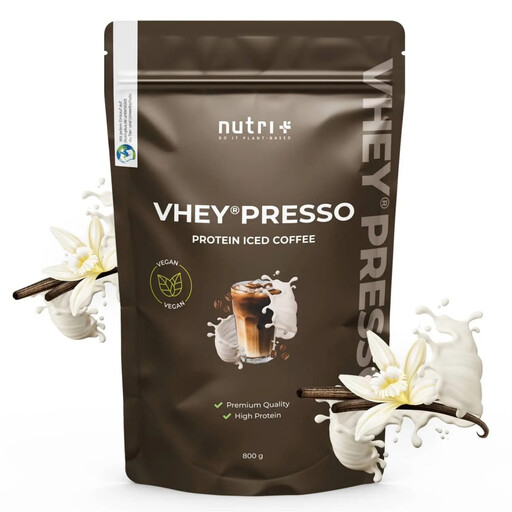
Why This Fits Their Persona: This product combines the benefits of a vegan protein powder with the stimulating effect of coffee. It's ideal for individuals looking for a functional drink in the morning or after a workout that contributes to protein intake and provides energy.
The ingredients are clearly declared, including the protein sources (soy and pea protein isolate) and caffeine content (100 mg per serving). It is sugar-free and sweetened with sucralose, thus avoiding the sugar trap.
A combination of 21g of protein and 100 mg of caffeine per serving. Purely plant-based formula.
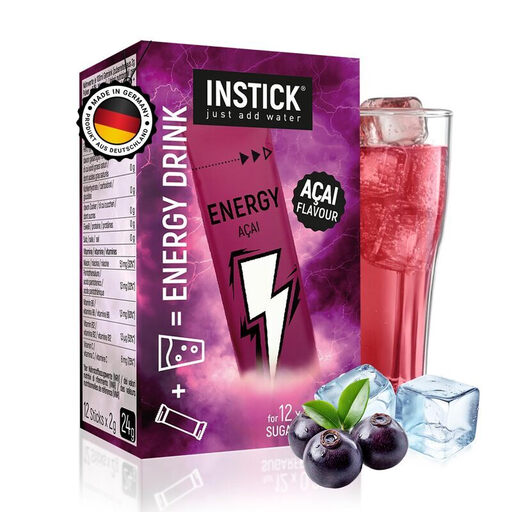
Why This Fits Their Persona: For anyone who needs a straightforward and mobile energy solution. The pre-portioned sticks fit into any bag, allowing for the quick preparation of a sugar-free energy drink at the office, university, or while travelling.
The product is explicitly labelled as sugar-free and low-calorie. The serving size is clearly defined by the sticks (1 stick for 0.25 L), making cost calculation and yield completely transparent.
Maximum convenience thanks to the stick format. Contains 52 mg of caffeine per serving, plus vitamins. Vegan and gluten-free.
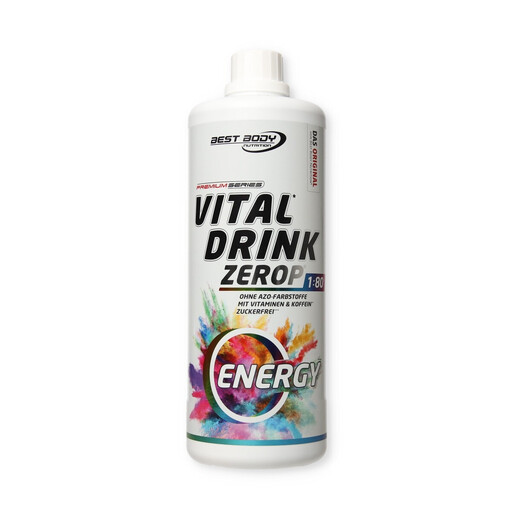
Why This Fits Their Persona: This concentrate is designed for daily use and offers excellent value for money. It is ideal for households, offices, or athletes who regularly consume large quantities of a sugar-free drink and want to reduce costs and packaging waste.
The yield is clearly and transparently stated with a mixing ratio of 1:80, which bypasses the deceptive packaging trap. One bottle makes 80 litres of the finished drink. The product is also explicitly declared as sugar-free.
Extremely high yield (80 litres per bottle). Contains caffeine and B vitamins. Also suitable for soda makers.
We have compiled a comprehensive, up-to-date list of products that fully meet these strict selection criteria and regulatory standards.
The shelf life after opening varies by product. Most powders should be stored in a cool, dry place and used within 2 to 3 months to maintain quality and solubility. Liquid concentrates, such as syrups, should often be refrigerated and used within about 8 weeks, according to the manufacturer's instructions. Always refer to the specific information on the product packaging.
Not every powder is ideal for this. Products in stick format are often specifically designed for mixing with still or sparkling water. Protein powders tend to foam excessively when mixed with carbonation. A practical tip is to first mix the powder with a small amount of still water to form a paste, then slowly add the carbonated water. Concentrates are generally well-suited for soda makers.
Sugar-free and low-calorie powdered drinks can be a useful addition to a calorie-conscious diet. They help increase daily fluid intake and offer a flavourful alternative to water without delivering extra calories from sugar. Products containing protein can also help promote a feeling of fullness. However, they are not a substitute for a balanced and varied diet.