
Lieferung heute & morgen

Qualitätsgarantie

Willkommens-Angebote freischalten: KOSTENLOSE Lieferung | Bis zu 80 % RABATT | Kostenlose 30-Tage-JoyPlus-Testphase
App herunterladen
They're indispensable in nearly every home and office, yet choosing the right power strip is an often-overlooked task. The wrong choice not only leads to impractical setups but can also pose a significant safety hazard. Many products on the market entice buyers with apparent benefits that prove to be flaws in practice. This guide will help you identify the critical features and make an informed decision.
Before you make a purchase, it's important to understand the common marketing traps and hidden defects that often lead to frustration and unnecessary expense.
To find a safe and durable power strip, you should pay attention to a few core technical specifications. These parameters determine its performance and reliability in daily use.
The most important specification for a cable's safety is its wire gauge. Look for the H05VV-F 3G1.5mm? designation.
Cable length is also a practical consideration. A short cable can restrict placement, while an overly long one (e.g., a 5m extension cord) can become a tripping hazard. Choose a length that suits your specific location.
Safety should be your top priority. Look for the following features:
Modern power strips offer more than just extra outlets. Consider which features would make your daily routine easier:
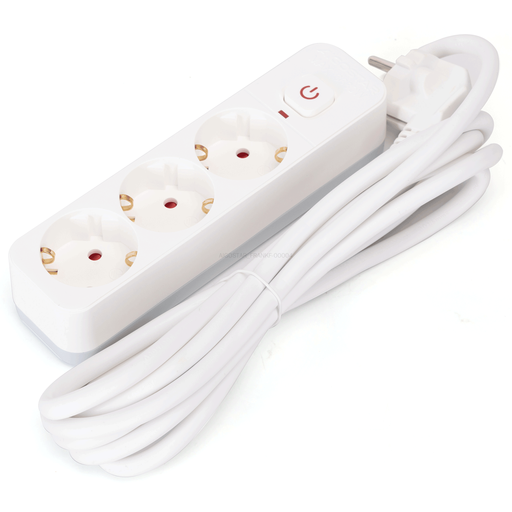
Why It's a Match: Ideal for the living room or office, where multiple devices like a TV, console, and lamp need power at a distance from the wall outlet. The 3-way power strip provides solid, essential features without unnecessary complexity.
Thanks to its H05VV-F 3G1.5mm? cable, it avoids the thin-cable trap. It can safely handle the full 3680W load without overheating.
The 5-meter cable offers maximum placement flexibility. The master switch makes it easy to save power.
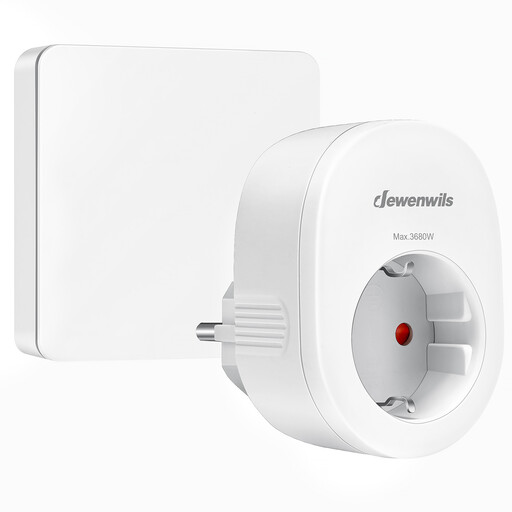
Why It's a Match: Perfect for controlling floor lamps behind the sofa, holiday lighting, or other hard-to-reach appliances. The remote control outlet eliminates the need to bend down or search for a switch.
This set solves the problem of awkward operation without requiring a complex smart home setup. It's a plug-and-play solution that's ready to use immediately.
Installation is wireless, and the switch can be flexibly mounted on a wall or used as a mobile remote. The 30-meter range works even through walls.
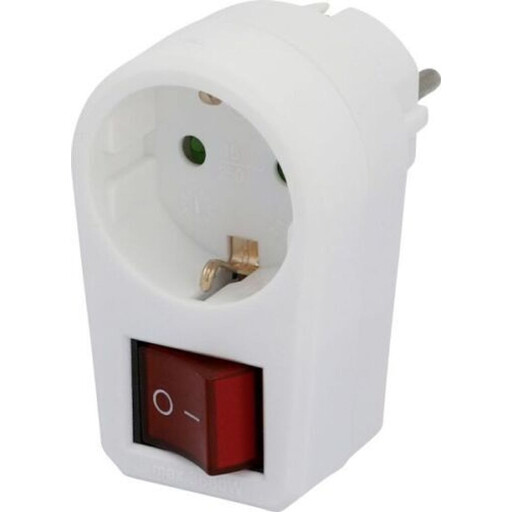
Why It's a Match: When you want to disconnect a single device (like a coffee machine, monitor, or lamp) from the grid without needing a full power strip. This switched socket adapter is a space-saving and efficient solution.
It prevents you from buying an oversized and more expensive power strip when only one switchable outlet is needed. It reduces cable clutter and is ideal for tight spaces.
Provides direct control right where you need it. The illuminated switch clearly indicates its status and helps you easily eliminate standby power consumption.
We have compiled a complete, up-to-date list of products that fully meet these strict selection criteria and German safety regulations.
1. Can you plug multiple power strips into each other? No, connecting power strips in a series (also known as "daisy-chaining") is strictly prohibited and a common cause of house fires. The first power strip in the chain becomes overloaded by the total draw of all connected devices, leading to overheating and a fire hazard. Always plug a power strip directly into a fixed wall outlet.
2. What does the 3G1.5mm? cable specification mean on a power strip? This code describes the cable's construction. "3G" stands for three wires (live, neutral, and ground), which are necessary for safe operation in Germany. "1.5mm?" refers to the cross-sectional area of each copper wire. A larger cross-section means less electrical resistance. For the 3680-watt maximum load common in Germany, a 1.5mm? cross-section is the standard for safe use without dangerous heat buildup.
3. How much power does a switched power strip use when turned off? A power strip with a purely mechanical rocker switch consumes absolutely no power when turned off, as the electrical circuit is physically interrupted. Models with a small status LED in the switch or with remote or smart functions have minimal standby power consumption, which is typically well under one watt.