
Lieferung heute & morgen

Qualitätsgarantie

Willkommens-Angebote freischalten: KOSTENLOSE Lieferung | Bis zu 80 % RABATT | Kostenlose 30-Tage-JoyPlus-Testphase
App herunterladen
Whether you are assembling furniture, working with wood, caring for your car or cleaning your patio, power tools for DIYers can make many household tasks easier. However, high wattage figures, extensive accessory lists and supposedly universal functions do not automatically lead to the right buying decision. What matters is whether the performance, power supply, accessories and safety features match the intended use.
A high wattage or voltage figure may sound impressive at first. For small sanding jobs or occasional repairs, however, a compact tool may be easier to handle than a heavy model. With cordless tools, battery capacity, charging time and replacement battery availability are also important. Voltage alone does not indicate the actual runtime.
A DIY tool set with numerous attachments is only practical if the accessories fit the tool holder and replacement parts are available. Before buying, check the diameter, connection type and intended materials. With a multifunction tool, it is also important to establish whether universal accessories can be used.
Sanders for wood produce fine dust, while patio cleaners work with water. A dust collection container or vacuum cleaner connection can make the working environment more manageable, but it does not replace personal protective equipment. For garden tools, chain tension, lubrication and safely removing the battery before maintenance work are also important.
For stationary work in the workshop, a 230-volt mains-powered tool may be a sensible choice. Cordless power tools, on the other hand, offer greater freedom of movement when assembling furniture, maintaining the garden or working in hard-to-reach areas. Look out for:
A tool with an integrated battery is compact, but cannot always be combined with other tools from the same manufacturer.
A cordless drill driver should have several torque settings and ideally a two-speed gearbox. Lower speeds are more suitable for controlled screwdriving, while higher speeds are intended for drilling suitable materials. For example, the Bosch EasyDrill 18V-38 is specified with 20 torque settings, two speed ranges of up to 1,630 rpm and a maximum torque of 38 Nm.
With a mini rotary tool, various speed ranges for drilling, engraving, sanding or polishing are more important. An eccentric sander works with a circular motion, while a detail sander’s triangular base plate makes it particularly suitable for corners and edges.
For a sander for wood, the sandpaper size, grit and dust extraction should suit the project. Grits such as P80, P120 and P240 cover coarse to finer stages of work. For polishing a vehicle, polishing pad size, variable speed control and suitable polishing pads are more important than the highest possible motor output.
With a patio cleaner, the brush must be suitable for the surface. According to the product specifications, the Kärcher PCL 6 is designed for wood and WPC; brushes for stone surfaces are available as separate accessories. The 300 mm working width, a brush speed of 600 to 800 rpm and a maximum water flow of 180 l/h at 4 bar provide specific points of comparison.
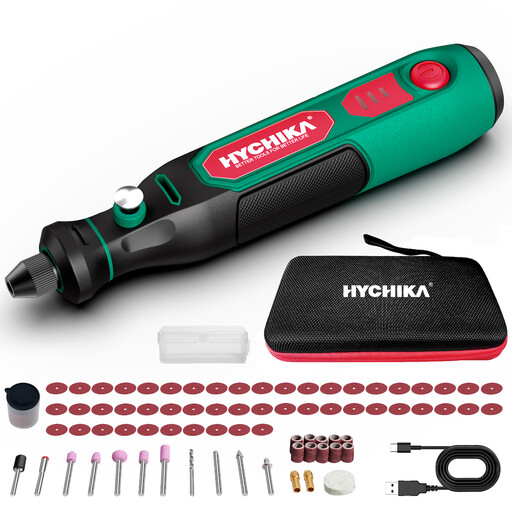
Why this product suits the profile: This compact cordless multifunction tool is designed for minor repairs, model-making, engraving and craft projects. Weighing just 250 g, it can be comfortable to use during longer periods of detailed work.
The three stated speed ranges from 5,000 to 15,000 rpm are clearly specified. The package includes 77 accessories and a USB-C charging cable.
Cordless operation, USB-C charging and attachments for sanding, polishing, drilling and engraving.
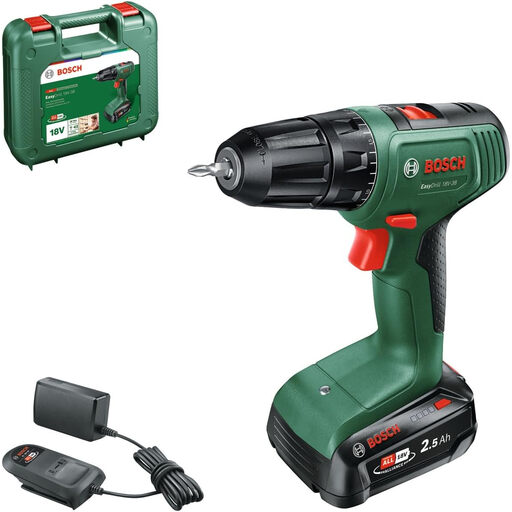
Why this product suits the profile: This cordless drill driver is designed for regular work on wood, metal and plastic. An 18-volt battery from the POWER FOR ALL system can be used with other compatible tools.
The technical specifications clearly state the torque settings, speed ranges, 10 mm keyless chuck and battery system.
38 Nm maximum torque, LED work light, two-speed gearbox and a weight of 1.2 kg including the battery.
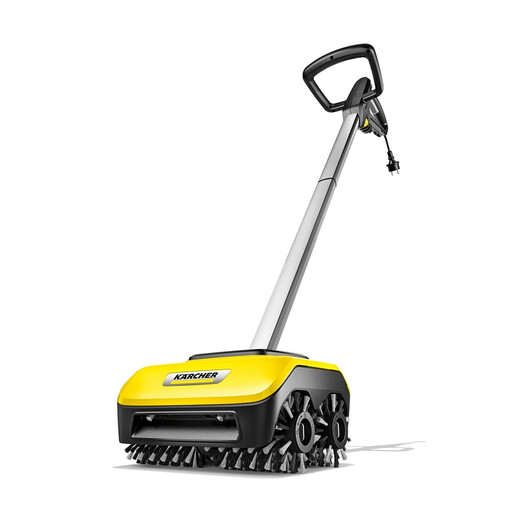
Why this product suits the profile: Garden owners with a wooden or WPC patio get a tool for cleaning large areas using a garden hose and rotating brushes.
Its suitability for wood and WPC, along with the maximum pressure of 10 bar, is clearly stated. A separate brush accessory is required for stone patios.
300 mm working width, four brush rollers, adjustable water flow and an adjustable handle.
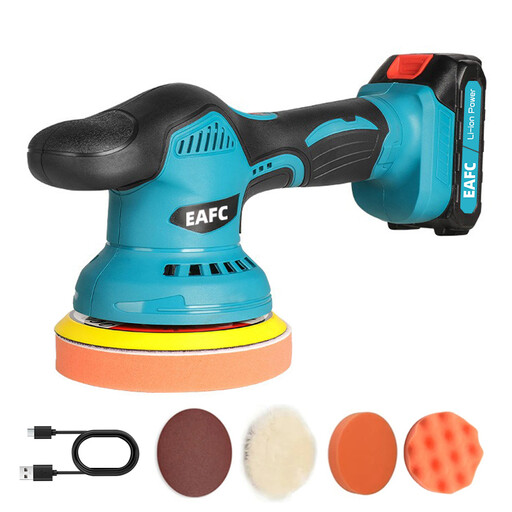
Why this product suits the profile: Car owners looking for a car polisher and a cordless tool for occasional wood or furniture work will find an adjustable solution here with a 125 mm pad.
Eight speed settings and a stated range of 2,800 to 5,500 rpm allow you to adapt the tool to the polishing compound and surface.
125 mm polishing pad, 5 mm eccentric orbit and a stated tool weight of 1.13 kg.
For corners, edges and small surfaces, a detail sander such as the HYCHIKA 140W with 13,000 rpm, dust bag and 12 sanding sheets is a suitable choice. A second HYCHIKA sander for wood operates at 200 W and 14,000 rpm. For cutting work in the garden, a 6-inch cordless chainsaw is sufficient depending on the branch thickness; larger branches require a model with a 12-inch guide bar and suitable protective clothing.
For craft projects, a hot glue gun such as the Kinzo model with 10 W and 230 V may be sufficient. The nozzle and glue become hot, so the tool must not be left unattended while heating up or after use. The Black+Decker REVOS12C oscillating multifunction tool is designed for cutting, sanding, polishing and scraping at 11,000 oscillations per minute.
We have compiled a complete, regularly updated list of products that fully meet these strict selection criteria and the safety regulations applicable in the EU.
A cordless drill driver with several torque settings, a two-speed gearbox and a keyless chuck covers many typical tasks. For specialist jobs such as sanding, polishing or patio maintenance, a suitable dedicated tool usually offers greater control.
Their service life depends on use, storage, charging habits and maintenance. Batteries should be stored in a dry, frost-free place in accordance with the manufacturer’s instructions. With chainsaws, regular maintenance includes checking chain tension, lubrication and cleaning after use.
With corded tools, power consumption is affected by the output and duration of use. Cordless tools also require charging energy; with frequent use, replacement batteries and a shared battery system can affect ongoing purchase costs. It is therefore important to consider not only the purchase price, but also what is included and the availability of compatible components.