
Lieferung heute & morgen

Qualitätsgarantie

Willkommens-Angebote freischalten: KOSTENLOSE Lieferung | Bis zu 80 % RABATT | Kostenlose 30-Tage-JoyPlus-Testphase
App herunterladen
An electric wheelchair can be a decisive factor in gaining more independence and improving your quality of life. However, the market is overwhelming and full of promises that don't always hold up to reality. As your Joybuy Product Recommendation Officer, I'm here to help you separate the essential information from the noise. In this guide, I'll show you the most common pitfalls to avoid and what you truly need to look for to make an informed decision.
Many buyers regret their decision because they fell for marketing promises that failed to deliver in everyday use. Pay close attention to these three points to avoid a bad investment:
To make the right choice, you should focus on objective, technical data. These three core parameters determine the performance and everyday usability of your future companion.
The performance of an electric wheelchair is primarily determined by the combination of its motor and battery.
If the wheelchair needs to be transported, these factors are non-negotiable.
It's essential to clearly define the intended use. Do you need a solution for getting around or assistance at home?
Here are some models tailored to specific user profiles that successfully avoid the pitfalls mentioned above.
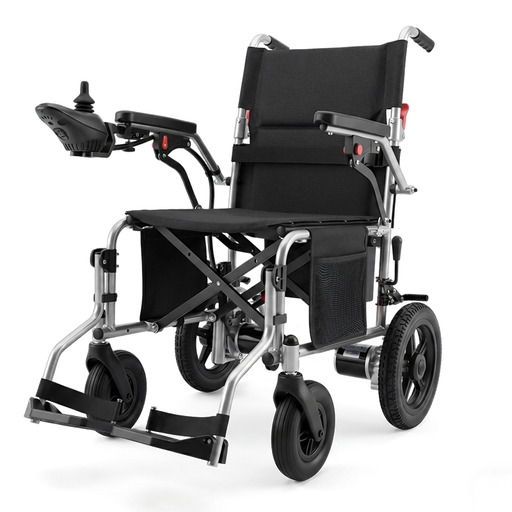
Why it's a great fit: Ideal for users who need a reliable power wheelchair for daily errands and transport by car. It combines a solid set of core features with a practical folding mechanism.
This model avoids the "impractical foldability" trap. With a net weight of 23.45 kg and clear folded dimensions (690*315*755mm), users can verify before purchase whether handling it is realistic for them.
The 500W dual-motor drive (2x250W) provides sufficient power for everyday inclines and uneven paths, avoiding the trap of inadequate performance in real-world conditions.
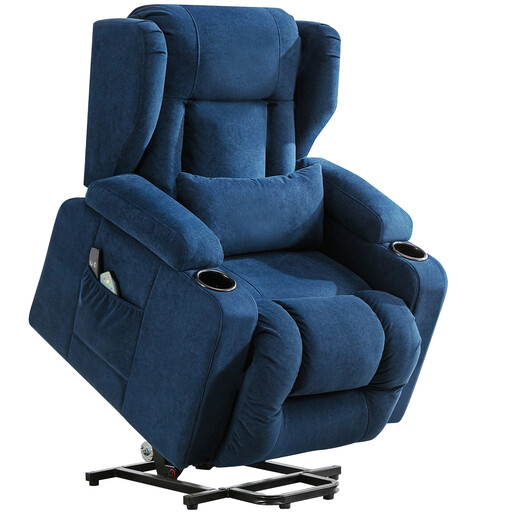
Why it's a great fit: Perfect for individuals who have difficulty standing up and are looking for a comfortable, supportive seating solution for their living room. This is a specialised mobility aid for seniors in their own homes.
This product avoids the trap of trying to be a "jack-of-all-trades." It is not a wheelchair but a highly specialised electric lift chair, whose functions (massage, recline) are designed for home comfort, not outdoor mobility.
The power lift function, which gently tilts the chair forward by up to 45°, is the decisive advantage. It provides safe, low-effort assistance for standing up.
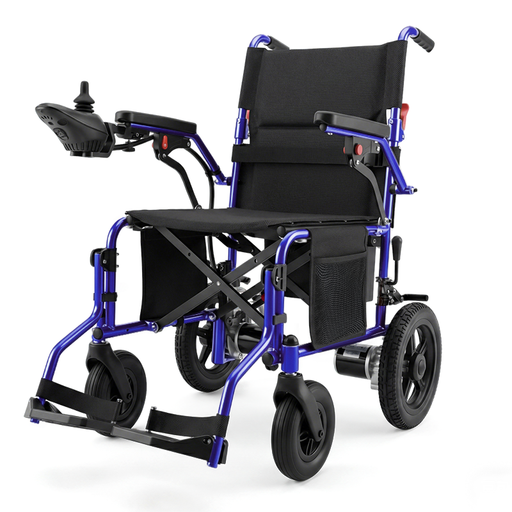
Why it's a great fit: For users seeking a functional and reliable basic solution without costly extras. It provides all the necessary core functions for safe mobility at an accessible price point.
This model avoids the trap of unrealistic range promises by providing clear specifications. The 13Ah battery is a transparent metric that allows for a realistic assessment of the range for daily use, rather than advertising with exaggerated mileage claims.
The robust steel frame ensures durability and stability. Instead of relying on lightweight but potentially less durable materials, the focus here is on a proven and solid construction.
We have compiled a complete, up-to-date list of products that fully meet these strict selection criteria and safety requirements.
1. How long does an electric wheelchair battery last? A battery's lifespan is measured in charge cycles and typically lasts two to five years, depending on use and care. The daily range depends on the battery capacity (Ah), terrain, user weight, and even the outside temperature. A battery should be fully charged after each extended use to maximise its lifespan.
2. Can I transport an electric wheelchair in a car? Yes, provided it is a foldable electric wheelchair. Before buying, be sure to check the folded dimensions and total weight. Measure your car trunk and realistically assess whether you or an assistant can lift the wheelchair's weight. Some models allow the battery to be removed to reduce the lifting weight.
3. What is the difference between a power wheelchair and a lift chair? A power wheelchair is a mobility device designed for use both inside and outside the home. A lift chair is a stationary piece of furniture for the living area. Its main function is to make sitting down and standing up easier, often supplemented by comfort features like a reclining position or massage. It is not an alternative for transport but an enhancement for home comfort.