
Lieferung heute & morgen

Qualitätsgarantie

Willkommens-Angebote freischalten: KOSTENLOSE Lieferung | Bis zu 80 % RABATT | Kostenlose 30-Tage-JoyPlus-Testphase
App herunterladen
By the Joybuy Product Recommendation OfficerLast updated: August 30, 2026
Ready-to-drink (RTD) cocktails promise effortless enjoyment for parties, relaxing evenings, or on the go. The selection of these premixed cocktails is constantly growing, but the quality varies dramatically. Before you make a decision, it's helpful to understand the common pitfalls that often lead to disappointing taste experiences.
Many consumers report three central problems:
This guide will help you navigate these hurdles and make an informed choice.
To ensure your ready-to-drink cocktail delivers on its promise, you should check three core parameters. These reveal the true quality and character of the beverage.
The foundation of any cocktail is its base spirit or wine. Premixed cocktails can be based on different types of alcohol that significantly shape the flavor:
Always check the alcohol by volume (ABV) on the label. A value below 5% suggests a light mixed drink, while values of 10% or more indicate a stronger, more cocktail-like character.
The ingredient list is the most honest indicator of quality. Pay attention to the following:
The packaging is more than just a container; it's tailored to its intended use.
Here are some recommendations tailored to different profiles and needs.
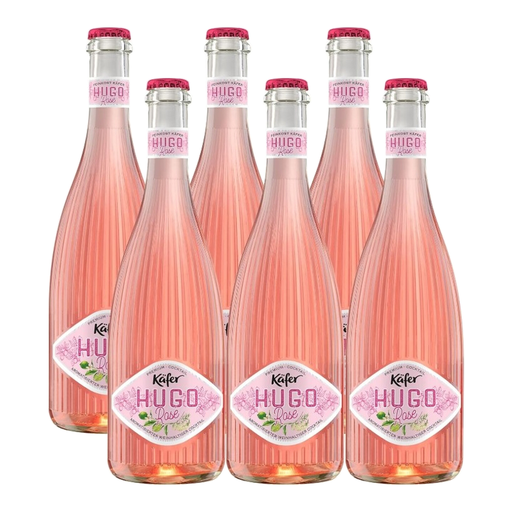
Why This Fits Their Persona: Ideal for parties or barbecues where a light, refreshing aperitif is needed in larger quantities. The well-known taste of Hugo Rosé is an approachable classic that is a hit with many guests.
This product sidesteps the artificial flavor trap by using natural elderflower and lime extracts. The 6.9% ABV is appropriate for a wine cocktail and is transparently declared.
Convenient 6-pack of 0.75L bottles for easy stocking. Made in Germany by an established producer (Peter Mertes KG).
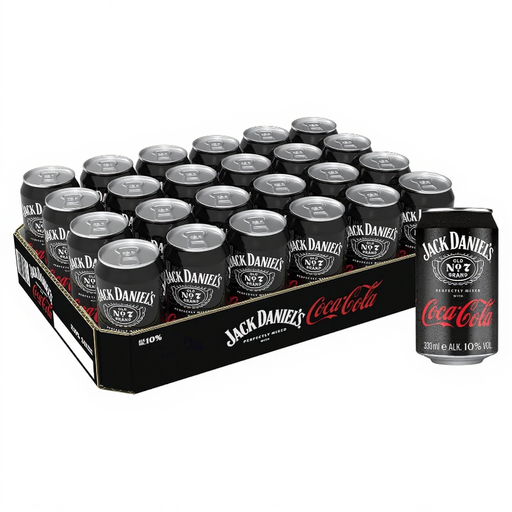
Why This Fits Their Persona: Perfect for on-the-go, as the cans are durable and easy to transport. The world-famous taste offers a reliable and straightforward option for festivals, camping, or a day at the lake.
This isn't made with a vague "whiskey flavor," but the real deal: Jack Daniel's Tennessee Whiskey. The mix ratio is authentic, and the 10% ABV matches that of a classic long drink.
Unbreakable and recyclable cans. The combination of two iconic brands guarantees a consistently high standard of quality.
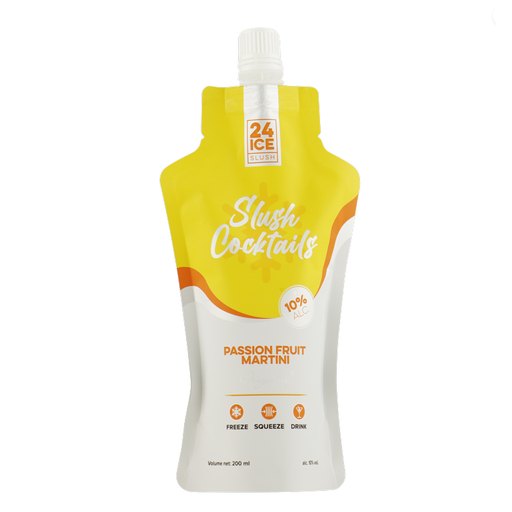
Why This Fits Their Persona: For anyone looking for something new. This alcoholic ice pop brings the flavor of a modern cocktail classic into a frozen slush format—a welcome change of pace for summer parties.
The product is clearly positioned as a frozen cocktail, avoiding false expectations. At 10% ABV, it offers a solid alcohol content that is far above many sugary alternatives.
Innovative format that requires no glasses or ice cubes. The exotic taste of passion fruit is a modern and popular choice.
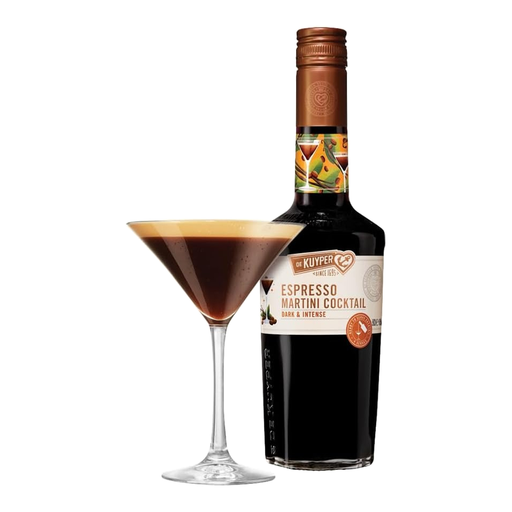
Why This Fits Their Persona: For those who want to enjoy the taste of a freshly mixed bar cocktail at home, without the hassle of mixing it themselves. The focus is on a sophisticated, less sweet flavor profile.
This product avoids the "too-sweet" trap by combining robust espresso and coffee liqueur. The 14.5% ABV on a vodka base ensures an authentic and potent cocktail that stands out from lighter mixed drinks.
Made by De Kuyper, a renowned spirits producer. The bottle contains four servings and delivers a high-quality bar experience at home.
We've compiled a complete, up-to-date list of products that fully meet these strict selection criteria and UK regulations.
The shelf life after opening depends on the type of cocktail. Carbonated drinks like Hugo or Spritz should be refrigerated and consumed within 1-2 days to preserve the fizz. Bottled cocktails with a higher alcohol content (e.g., Espresso Martini) will last longer in the fridge if sealed properly. Always check the manufacturer's instructions on the packaging.
Although most can be stored at room temperature unopened, nearly all RTD cocktails are designed to be enjoyed chilled. The cold enhances the flavors and provides refreshment. Products like alcoholic ice pops must be frozen for several hours at around -18°C before consumption. A look at the label will always provide the correct recommendation.
Not all, but many contain declarable substances. Sulfites are widely used as a stabilizer in wine-based cocktails. Other products may contain colorings or preservatives to which some people are sensitive. A careful look at the ingredient list is therefore essential before buying, especially if you have known allergies or intolerances.