
Lieferung heute & morgen

Qualitätsgarantie

Willkommens-Angebote freischalten: KOSTENLOSE Lieferung | Bis zu 80 % RABATT | Kostenlose 30-Tage-JoyPlus-Testphase
App herunterladen
A well-equipped knife block is the cornerstone of any functional kitchen. It not only keeps your knives organised and within easy reach but also protects the blades from damage. However, the market is crowded, and many products fail to deliver on their promises. Before you make a decision, it's important to understand the common pitfalls that can lead to a bad purchase.
Investing in a complete kitchen knife set should make your work easier, not harder. Watch out for these three common problems to avoid disappointment.
wooden knife block can damage the blades or become a hygiene issue. Narrow, vertical slots prevent moisture from escaping and can wear down the cutting edge every time a knife is inserted or removed.To find a pre-stocked knife block that meets your needs, you should focus on objective criteria. The following three points are crucial for the longevity and functionality of your set.
The quality of a knife is largely determined by the steel used. Instead of being swayed by marketing terms, pay attention to two fundamental properties:
A good chef's knife set doesn't need to include dozens of pieces. A functional basic collection is far more useful. Make sure at least the following knife types are included:
A 6-piece knife set typically covers these basic needs completely and provides a solid foundation for most kitchen tasks.
The knife block itself is more than just a storage container. A solid wooden knife block made from materials like pine, acacia, or bamboo provides the necessary stability to prevent tipping. The design of the slots is also critical. Horizontal or generously sized vertical slots are preferable as they allow for better air circulation and are gentler on the blades.
Based on these objective criteria, we have identified some products that offer a suitable solution for different user profiles.

Why This Fits Their Persona: This set is designed for users looking for a reliable and complete starter kit. According to the manufacturer, it is suitable for both home use and professional environments like restaurant kitchens or canteens.
The collection focuses on the six essential knife types (Chef's, Bread, Slicing, Santoku, Utility, and Paring) and avoids superfluous specialty blades. The pine wood block ensures safe and organised storage.
Comprehensive 6-piece set that covers a wide range of cutting tasks. The solid wood block provides stability and protects the blades.
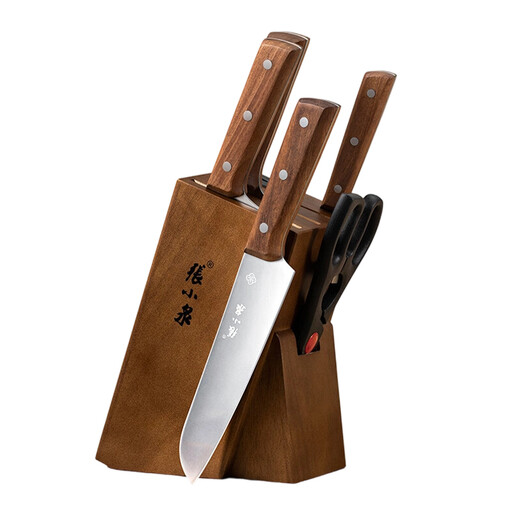
Why This Fits Their Persona: Ideal for home cooks looking for an integrated solution. This set combines the most important knives with useful additional tools like kitchen shears, eliminating the need to buy separate utensils.
Instead of just bundling knives, this set offers a thoughtful combination of cutting tools and shears. The wooden holder provides secure and centralised storage for all parts, preventing clutter on the countertop.
An integrated system that combines knives and other kitchen tools in a single, organised block. Offers high functionality in a small footprint.
We have compiled a complete, up-to-date list of products that fully meet these strict selection criteria and German safety regulations.
1. How do you properly clean a wooden knife block? A wooden knife block should never be put in the dishwasher or submerged in water. To clean it, empty the block and tap it out to remove crumbs. The slots can be carefully cleaned with a narrow brush or a pipe cleaner. Wipe the outer surfaces with a slightly damp cloth and dry them thoroughly immediately. Ensure the knives are completely dry before putting them back in the block.
2. Which steel is suitable for kitchen knives? For most users in a home kitchen, stainless steel is a practical choice. Alloys like the aforementioned X50CrMoV15 or similar grades offer a good balance of sharpness, easy maintenance, and corrosion resistance. Professional users or enthusiasts sometimes opt for carbon steel blades, which can achieve extreme sharpness but are more prone to rust and must be cleaned and dried immediately after use.
3. How often do knives from a set need to be sharpened? The frequency depends heavily on the intensity of use, the blade steel, and the cutting surface. With daily use in a household kitchen, it is advisable to hone the knives with a honing steel every few weeks to maintain the blade's edge. A fundamental resharpening with a whetstone or a professional sharpening service may be necessary every 6 to 12 months, depending on the condition of the blade. Using cutting boards made of wood or plastic is gentler on the blades and extends the life of their sharpness.