
Lieferung heute & morgen

Qualitätsgarantie

Willkommens-Angebote freischalten: KOSTENLOSE Lieferung | Bis zu 80 % RABATT | Kostenlose 30-Tage-JoyPlus-Testphase
App herunterladen
A pre-workout booster is designed to help you get ready for your training session. However, eye-catching dosages, bold marketing claims and unclear serving information can often lead to the wrong purchase. It’s especially worth checking the nutrition table and usage instructions carefully when buying pre-workout powder.
A product with lots of ingredients won’t necessarily be better suited to your training goals. What matters is whether the amounts per serving are listed and whether you can measure out a realistic serving. Terms such as ‘High Stim’, ‘extreme’ or ‘ultra-concentrated’ often describe how a product is marketed, but they’re no substitute for checking the ingredients objectively.
A pre-workout with caffeine may contain caffeine from anhydrous caffeine, coffee or plant extracts. For your personal daily total, you need to count the full amount. So remember to include coffee, energy drinks and other food supplements. Several product labels state an upper limit of 400 mg of caffeine per day from all sources for healthy adults. Always follow the labelling on the product in question.
A container with a low upfront price won’t necessarily be cheap per workout. So compare the number of servings, serving size and amount needed for preparation. A pre-workout shot is ready to drink, but its cost per serving may work out differently from a powder with 30 or 60 servings.
For many adults, caffeine content is the main factor when choosing a product. The examples available here range from 130 mg to over 400 mg per serving. A high amount won’t suit everyone or every training time. If you train in the late afternoon or evening, you could consider a caffeine-free pre-workout such as Warrior Pump.
Also bear in mind:
A muscle pump supplement often contains L-citrulline, citrulline malate, arginine or glycerol. A beta-alanine pre-workout is aimed at shoppers who want to include this ingredient specifically in their training routine. A creatine pre-workout combines creatine with other ingredients; remember to take your daily creatine intake from all products into account.
Typical information shown in the selection includes:
Check whether the scoop really holds the stated serving size. Jack3d Advanced has different serving size and preparation information on different product pages. In these cases, the current packaging is the most reliable source.
Allergens can also vary by flavour or production location. Depending on the variant, Optimum Nutrition products may contain traces of milk, egg, soya, gluten, nuts or peanuts. If you have allergies or intolerances, check the full ingredients list before buying.
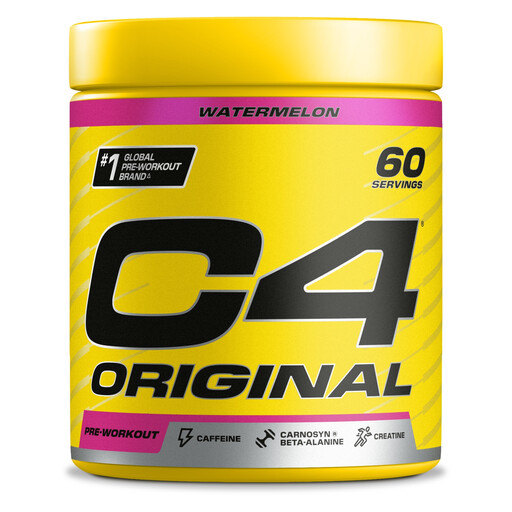
Why it suits this shopper: According to the product information, the tub contains 60 servings, each with 150 mg of caffeine, 1.5 g of creatine and 1.6 g of beta-alanine. This makes it easier to work out the cost per workout.
The number of servings and amounts per serving are clearly stated. The product is also labelled as sugar-free.
Powder format, 150 mg of caffeine per serving and 60 stated servings.
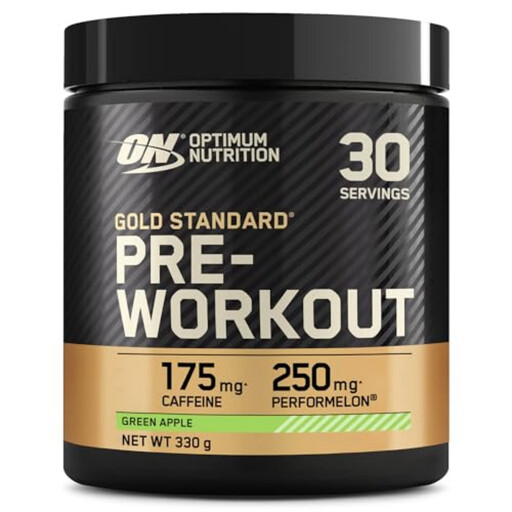
Why it suits this shopper: This variant offers 30 servings of around 11 g each and combines creatine, beta-alanine and L-citrulline, according to the product information. It also carries Informed-Choice certification.
The ingredients and recommended preparation with 350 ml of water are clearly listed. Always check the packaging for the final details.
30 servings, several amino acids and creatine in one powder formula.
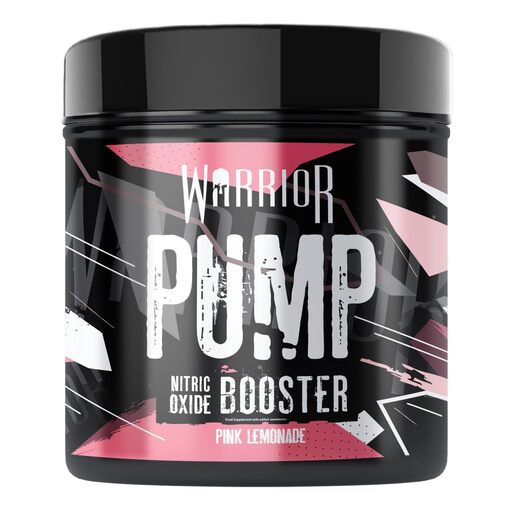
Why it suits this shopper: The manufacturer describes this product as caffeine- and stimulant-free. With 30 servings of 7.5 g each, it’s suitable for late training sessions or caffeine-sensitive adults.
The caffeine content is listed as ‘None (Caffeine Free)’. This makes it easier to plan your caffeine intake separately from coffee and other products.
Caffeine-free formula with citrulline malate, cyclic dextrins and beetroot powder.
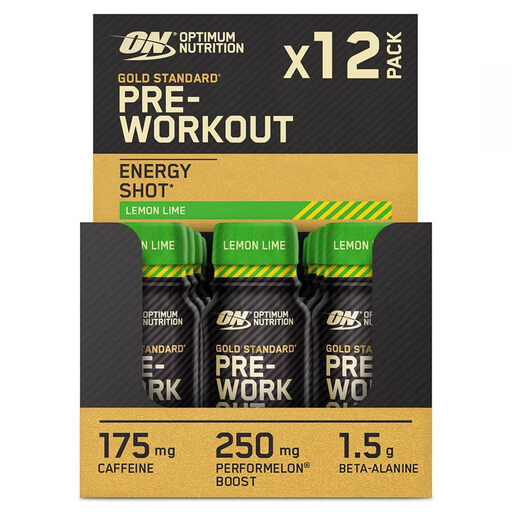
Why it suits this shopper: This ready-to-drink 60-ml shot needs no shaker and contains 175 mg of caffeine, 1.5 g of beta-alanine and 2 g of L-citrulline, according to the product information.
The serving size and caffeine content are stated per bottle. A single-serve bottle makes it easier to keep track when you’re out and about.
12 ready-to-drink 60-ml servings, with no powder to mix.
We’ve put together a complete, regularly updated list of products that meet these strict selection criteria and fully comply with the safety regulations in force in the EU.
It’s usually taken around 20 to 30 minutes before training. Some products recommend taking it 30 to 45 minutes beforehand. Mix only the stated serving size with the recommended amount of water, and start with the lowest suggested serving when trying a new product. Always follow the manufacturer’s instructions on the packaging.
The best-before date applies only if the product is stored as directed. Keep powders in a cool, dry place, tightly sealed and away from direct sunlight. Reseal the container securely after each use. A prepared drink should be consumed soon after mixing and not stored for a long time.
Divide the purchase price by the stated number of servings. When comparing powder with a pre-workout shot, also consider the serving size, delivery costs and recommended daily serving. This gives you a clear price per workout.