
Lieferung heute & morgen

Qualitätsgarantie

Willkommens-Angebote freischalten: KOSTENLOSE Lieferung | Bis zu 80 % RABATT | Kostenlose 30-Tage-JoyPlus-Testphase
App herunterladen
Pre-workout powder is designed to be mixed quickly and easily with water before training. Many products combine caffeine with beta-alanine, creatine, L-citrulline, vitamins or other amino acids. Comparing them isn’t always straightforward, though: serving sizes, caffeine content and ingredient amounts can vary considerably.
If you focus only on bold marketing claims such as ‘extreme’, ‘explosive’ or ‘maximum’, you could easily end up with a product that doesn’t suit your training routine. What matters is clear, verifiable information on the label.
Depending on the product, one scoop may contain around 5 to 21 g. That’s why ‘per serving’ figures on their own only tell you so much. Also compare:
A product with more servings isn’t automatically cheaper if the recommended serving is significantly smaller or larger.
A pre-workout booster or training booster may contain between 130 and 300 mg of caffeine per serving. According to some product descriptions, certain formulas contain over 400 mg. That’s a substantial amount for many adults, particularly if you also have coffee, energy drinks or other caffeinated drinks that day.
Look out for the ‘High Caffeine Content’ warning and take your total daily caffeine intake into account. According to approved claims, caffeine can help increase alertness and improve concentration. However, this doesn’t tell you how well you’ll personally tolerate it.
Beta-alanine, creatine and L-citrulline are common ingredients. Simply seeing them listed doesn’t tell you whether the product is right for your goals. Check whether the amount of each ingredient is given per serving and whether the product contains other stimulants.
Terms such as ‘muscle pump’, ‘focus and energy’ or ‘endurance’ often describe what the product is intended for, rather than guaranteeing a particular effect for you.
A caffeinated pre-workout may be a better fit for morning or early-afternoon training, provided you tolerate caffeine well. For later sessions, a caffeine-free pre-workout containing citrulline malate, glycerol or carbohydrates may be a more suitable option.
Here are some examples from our selection:
Always check the packaging and the stated maximum daily serving. Children, pregnant or breastfeeding women, and people who are sensitive to caffeine should not use caffeinated products. If you have a medical condition or take medication, it’s sensible to speak to a doctor first.
Beta-alanine is often used in training boosters. Some products in our selection, for example, state that they contain 1,5 to 2 g per serving. Creatine is also common: Optimum Nutrition Gold Standard Pre-Workout lists 3 g of creatine per serving, while C4 Original lists 1,5 g.
L-citrulline or citrulline malate is often sought out by people who want to focus on the muscle pump before training. However, these forms aren’t directly interchangeable, so read the ingredients list carefully. Also check whether you’re already taking other supplements containing creatine or stimulants.
A sugar-free pre-workout may appeal if you want to limit the sugar in your drinks. However, ‘sugar-free’ doesn’t automatically mean calorie-free or free from sweeteners.
Check the following:
Some products are mixed with 150 to 250 ml of water, while others call for 350 to 400 ml. After opening, keep the tub tightly closed and store it in a cool, dry place.
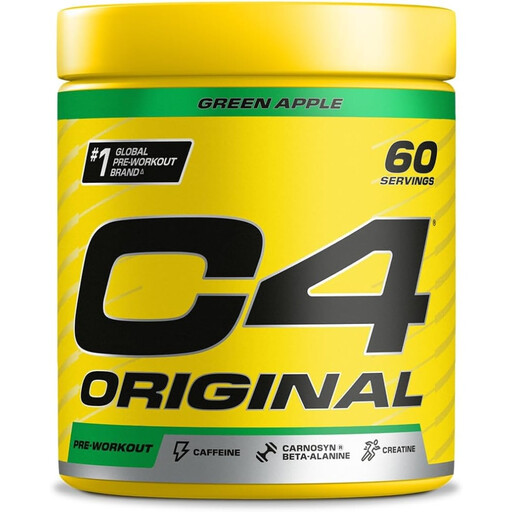
Why this product suits this profile: According to the product details, the tub contains 60 servings, with 150 mg of caffeine per 6,5-g serving. This makes it easier to work out the cost of using it regularly.
The serving size and caffeine content are clearly stated. The product also lists 0 g of sugar per serving.
60 servings, 150 mg of caffeine, 1,6 g of beta-alanine and 1,5 g of creatine per serving, according to the product details.
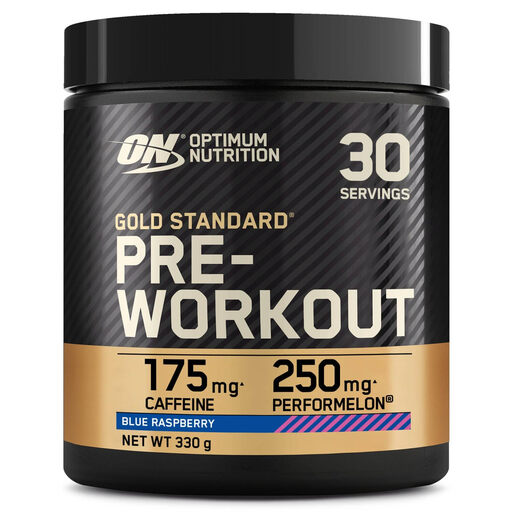
Why this product suits this profile: The formula lists 30 servings, 175 mg of caffeine, 3 g of creatine, as well as beta-alanine and L-citrulline per serving.
The product description gives amounts per serving and a recommended daily serving. It also states that the product is Informed Choice certified for quality assurance.
30 servings, a vegetarian formula according to the product details, and specific information on caffeine, creatine and amino acids.
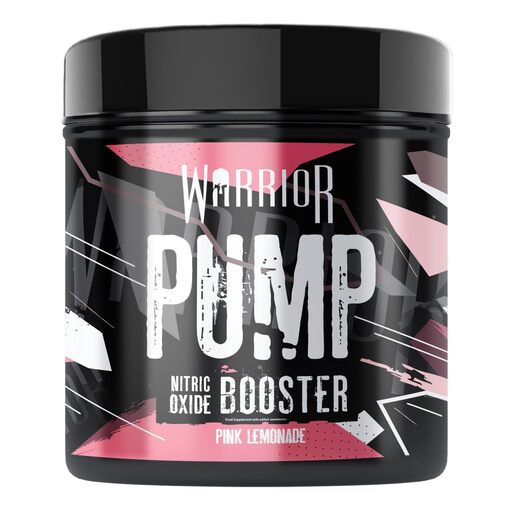
Why this product suits this profile: According to the product details, the formula contains no stimulants or caffeine. This makes it suitable for late training sessions or for people who want to avoid caffeine.
With no caffeine, you don’t have to judge the strength of a serving by its stimulant content. The ingredients list includes citrulline malate and other ingredients associated with the muscle pump.
Caffeine-free formula, 30 servings and a recommended serving size of 7,5 g, according to the product details.
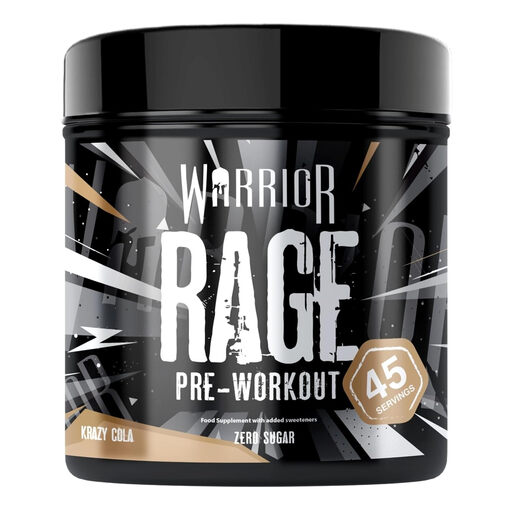
Why this product suits this profile: The stated serving contains 300 mg of caffeine, so it’s only suitable for adults who carefully manage their daily caffeine intake.
The high caffeine content is clearly stated in the product description, making it easier to assess the strength before you buy.
392 g of product, 45 servings, plus beta-alanine, creatine and amino acids, according to the product details.
We’ve put together a complete, regularly updated list of products that meet these strict selection criteria and fully comply with the safety regulations in force in the EU.
Follow the manufacturer’s recommended serving and, with caffeinated products, start with the lowest stated amount. Taking more isn’t automatically a good idea. Also factor in coffee, tea, energy drinks and other caffeine-containing supplements.
It depends on the amount in the tub and the serving size. A tub with 30 servings will last for 30 training sessions if you use it every training day. If you train two to three times a week, it will last longer. Once opened, store the powder in a cool, dry place with the lid tightly closed.
Yes. One example is a caffeine-free pre-workout made with citrulline malate and other non-stimulant ingredients. These products may be a better fit for late training sessions or for people who want to limit their caffeine intake. The specific ingredients, serving size and packaging instructions still matter.