
Lieferung heute & morgen

Qualitätsgarantie

Willkommens-Angebote freischalten: KOSTENLOSE Lieferung | Bis zu 80 % RABATT | Kostenlose 30-Tage-JoyPlus-Testphase
App herunterladen
A pre-workout supplement is designed to make preparing for your training session easier. In practice, however, products vary considerably in terms of caffeine content, dosage, ingredients and format. If you only focus on terms such as “intense”, “explosive” or “ultra-concentrated”, you can easily overlook important information on the label.
Three typical purchasing decisions particularly often lead to the wrong choice:
When choosing a booster before training, the caffeine content per serving should be clearly stated. For example, Jack3d Advanced Pre-Workout contains 130 mg of caffeine per serving. C4 Pre-Workout lists 150 mg of caffeine per serving, while C4 Ultimate Performance has a considerably higher dosage of 300 mg per serving.
The figure on the product label is not the only thing that matters: you should consider your total caffeine intake from all sources. People who are sensitive to caffeine or train in the evening may wish to consider a caffeine-free pre-workout product. You should also follow the recommended usage instructions: depending on the product, consumption is generally recommended around 20 to 45 minutes before training.
Children, pregnant women and breastfeeding women should not use caffeinated food supplements in accordance with the relevant warnings. If you take medication, have a chronic condition or are unsure about your personal tolerance, it is advisable to seek medical advice.
A pre-workout can combine several individual ingredients:
Terms such as “muscle performance”, “energy for training” or “endurance during sport” describe an intended use, but they do not replace a review of the nutritional information and ingredients list.
Compare servings per pack, weight in grams and preparation quantity. For example, ON PUMP Pre-Workout is mixed using 19 g of powder and 400 ml of water; according to the product information, the pack contains 20 servings. A concentrated powder, on the other hand, may require a considerably smaller amount of water.
Capsules and tablets are practical for use on the go. According to the product description, WeightWorld Creatine Monohydrate provides 3,000 mg per three tablets and contains 270 tablets. This gives you a clearly measurable format if you do not want to mix powder. Gummies can also be convenient, although depending on the recipe they may contain sugar or glucose syrup.
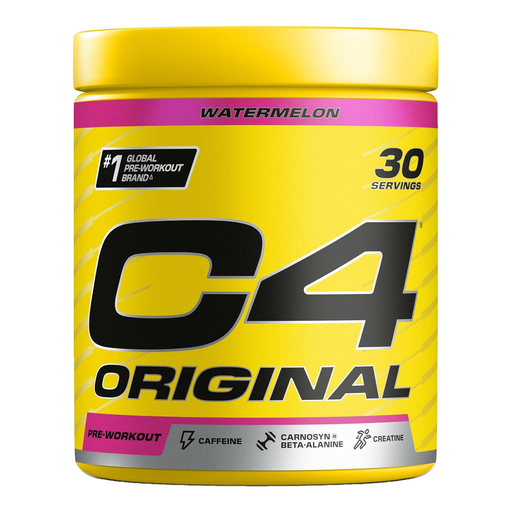
Why this product suits this profile: The powder provides 30 servings and a clearly stated dosage of 150 mg of caffeine per serving. It is designed for regular fitness and strength-training sessions.
The product information specifies the caffeine content, serving size and timing. This makes it easier to plan your daily caffeine intake.
30 servings, 150 mg of caffeine, plus beta-alanine and creatine monohydrate according to the ingredients information.

Why this product suits this profile: The caffeine-free formula is suitable for adults who train late or want to avoid caffeine in their pre-workout deliberately.
By leaving out caffeine, the product prevents an evening workout from automatically being linked to a caffeinated booster.
Each serving contains 8 g of L-citrulline, 3.2 g of beta-alanine and 2 g of L-arginine; according to the product description, the powder contains no caffeine.
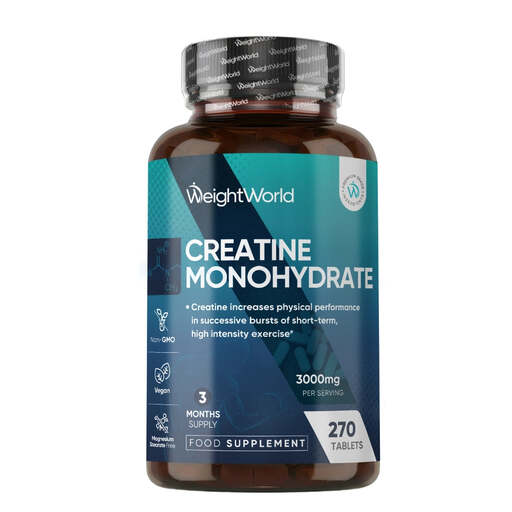
Why this product suits this profile: For people who want to incorporate creatine into their training routine independently of a booster and without mixing powder.
Creatine is not linked to an additional dose of caffeine. The tablet format makes it easier to maintain consistent serving sizes.
270 tablets; according to the product information, three tablets a day provide 3,000 mg of creatine monohydrate.
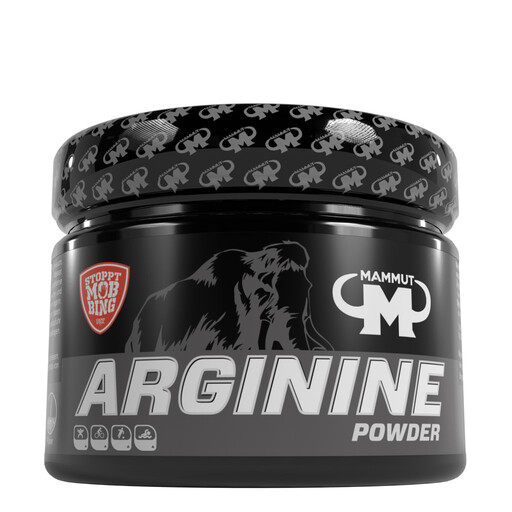
Why this product suits this profile: This standalone product can be combined with water or other sports drinks and is intended for users who want to dose L-arginine separately.
The formula is straightforward and makes it clear which ingredient is actually being dosed. This avoids an unnecessarily complex blend.
According to the product information, one serving is equivalent to 2 g of powder and provides 1.6 g of L-arginine hydrochloride; a measuring scoop is included.
We have put together a complete, regularly updated list of products that fully meet these strict selection criteria and the safety regulations applicable in the EU.
A beta-alanine supplement, creatine or BCAA powder does not necessarily need to be used immediately before training. You should therefore check the specific manufacturer’s instructions and decide whether a combination product or an individual ingredient better suits your routine.
Products vary. Many recommendations suggest taking them 20 to 45 minutes before training. The manufacturer’s usage instructions, your individual tolerance and the time of your training session are the key considerations. Any additional source of caffeine should also be included in your daily planning.
A caffeine-free pre-workout may be suitable for evening training, caffeine sensitivity or anyone who deliberately wants to keep stimulants separate from sports nutrition. Products containing L-citrulline, L-arginine or beta-alanine can be compared based on their respective dosages.
This depends on the net quantity and serving size. At a serving size of around 7 g, 315 g could theoretically provide approximately 45 servings; with larger servings, the supply will last for less time. The number of servings stated by the manufacturer is therefore what matters, rather than the gram weight shown on the front alone.