
Lieferung heute & morgen

Qualitätsgarantie

Willkommens-Angebote freischalten: KOSTENLOSE Lieferung | Bis zu 80 % RABATT | Kostenlose 30-Tage-JoyPlus-Testphase
App herunterladen
When repairing modern electronics like smartphones, laptops, or drones, the right tool can make or break the repair. A standard screwdriver is often too coarse for this work and can cause irreparable damage. A precision electric screwdriver promises a solution, but the market is flooded with models whose performance claims often don't hold up in practice. This guide will help you identify the crucial features and avoid common purchasing traps.
Many users invest in a tool that later proves to be unsuitable or frustrating. Pay close attention to these three common flaws to avoid a bad investment:
To ensure your new tool is a genuine asset, you should check three core technical features. These define its suitability as a professional electronics repair tool.
A high-quality precision electric screwdriver must allow for fine control over the applied force. Look for models that offer at least two electric torque settings as well as a manual mode:
A good precision screwdriver set lives and dies by the quality of its bits. The material is the deciding factor here.
When working with tiny screws, a well-designed magnetic system is not a luxury, but a necessity. A good screwdriver with magnetic bits should have multiple magnetic zones:
Based on the criteria above, we have identified several models suitable for different needs and budgets.
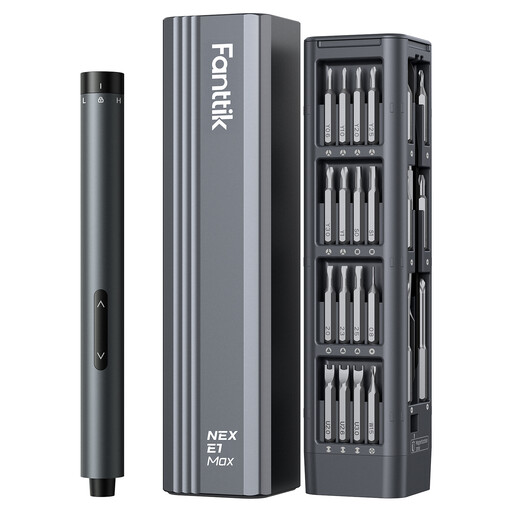
Why This Fits Their Persona: Ideal for ambitious hobbyists and DIYers who need a precise, durable, and well-designed tool for regular repairs on laptops, cameras, and smartphones. The high-quality design and functionality justify the investment.
Offers two electric torque settings (0.05/0.2 N.m) and a manual mode (3 N.m) to prevent damaging screws. The 50 bits are made of S2 steel, and the magnetic case prevents the loss of parts.
Precise torque control; durable S2 steel bits; fully magnetic system (case, holder, bits); long-lasting battery with USB-C port.
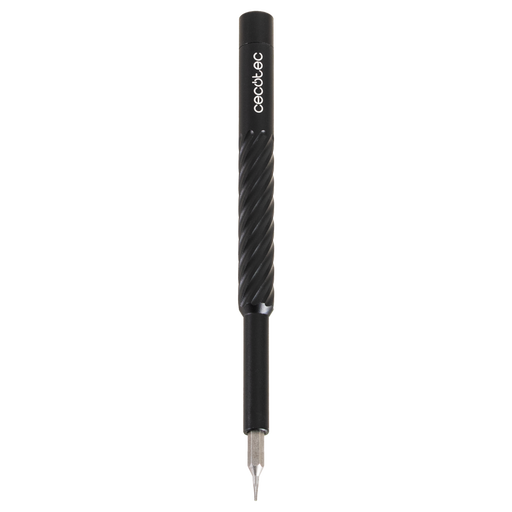
Why This Fits Their Persona: Perfect for users who want to be equipped for occasional repairs and need a maximum variety of bits without investing in an electric model. A comprehensive manual set for getting started.
As a manual set, it completely bypasses the danger of incorrect electric torque. The enormous selection of 128 pieces ensures that the right bit is almost always on hand, which prevents damage to screw heads.
Extremely large bit selection for almost any application; integrated magnetiser in the case; excellent value for money for the scope of delivery.
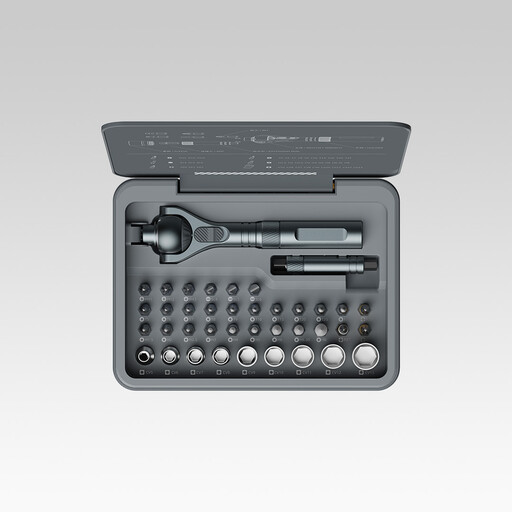
Why This Fits Their Persona: Suitable for users who need a robust all-round tool for furniture assembly, car repairs, or general household tasks and who value high torque transfer over delicate precision.
This set is intentionally not designed for precision mechanics. It avoids the mistake of misusing a delicate tool for heavy-duty jobs. The ratchet function is optimised for high torque, not for sensitive electronics.
Robust ratchet mechanism for efficient work with high torque; retractable handle for better leverage; magnetic design and a comprehensive 40-piece accessory set.
We have compiled a complete, up-to-date list of products that fully meet these strict selection criteria and German safety regulations.
1. What is the difference between S2 steel and chrome-vanadium steel in bits? S2 steel is a harder and tougher tool steel alloy. It resists deformation and wear better than the softer chrome-vanadium steel (Cr-V). For precision work where screw heads are small and delicate, S2 steel offers significantly higher durability and a better fit, which reduces the risk of damage to both the bit and the screw.
2. Can I use a precision electric screwdriver to loosen stuck screws? Yes, as long as the model has a manual mode. The electric motor is designed for fast rotation at low torque. To loosen a stuck screw, switch to manual mode (or use the screwdriver with the motor off) and use it like a conventional screwdriver. The gearbox is designed to withstand a much higher manual torque.
3. How long does the battery of a mini cordless screwdriver last with normal use? Battery life varies depending on the model and usage. According to the manufacturer, high-quality models like the Fanttik E1 Max can handle over 400 small screws (e.g., M2.5x5mm) on a full charge. For most repair projects on a laptop or smartphone, a single charge is therefore more than sufficient. Look for models with a modern USB-C charging port for added convenience.