
Lieferung heute & morgen

Qualitätsgarantie

Willkommens-Angebote freischalten: KOSTENLOSE Lieferung | Bis zu 80 % RABATT | Kostenlose 30-Tage-JoyPlus-Testphase
App herunterladen
Repairing or servicing modern electronics like smartphones, laptops, and cameras demands tools that are as precise as the components themselves. Using the wrong screwdriver size or inferior materials can quickly result in stripped screw heads or scratched casings. Selecting the right tool isn't just a detail—it's the foundation of a successful project.
This guide is here to help. It highlights the key features of a quality precision screwdriver set and showcases a selection of models, each with a different focus, to help you make an informed decision.
Before you make a decision, there are several technical aspects to consider. These criteria will help you find a set that meets your specific needs.
The choice between a manual and an electric precision screwdriver depends on the nature and frequency of your projects.
A versatile electronics repair kit is distinguished by its comprehensive selection of bits. Ensure the set covers the specific screw types for your devices, such as Pentalobe (for Apple products), Torx (and Torx Security), and very small Phillips and flathead sizes.
The material quality of the bits is crucial for longevity. S2 steel is considered the high-quality standard here. It is more resistant to wear and deformation than the more common chrome-vanadium steel (CR-V), ensuring the bits retain their shape even after frequent use. A good screwdriver with bits made from S2 steel is a long-term investment.
Handling plays a key role in precision work. An ergonomically designed handle, ideally made of aluminium with a non-slip surface and a rotating cap on the end, facilitates precise turning with your fingertips.
A magnetic screwdriver is another useful feature. The magnetic tip holds tiny screws securely to the bit, making it much easier to insert and remove them in hard-to-reach places. A sturdy and well-organised case ensures the mini screwdriver set remains complete and ready for transport.
Here is a selection of sets that cover a range of needs—from an efficient electric assistant to a comprehensive manual toolkit.
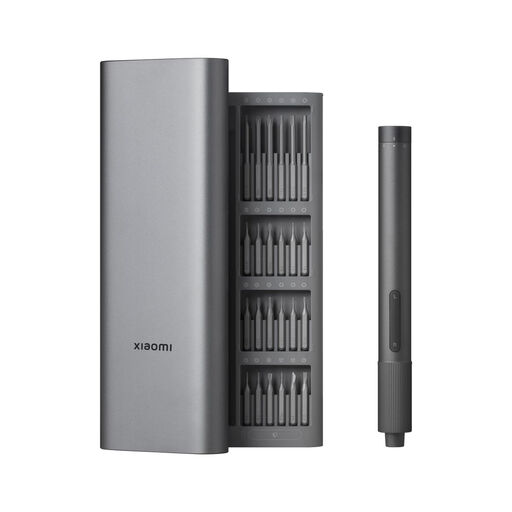
Why it stands out: This set combines a minimalist design with the efficiency of an electric drive. It's designed for portability and straightforward operation for common electronics repairs.
Pros:
Who it's for: Users looking for a sleek and efficient phone repair kit for everyday repairs on smartphones, glasses, or laptops, who value speed and ease of use.
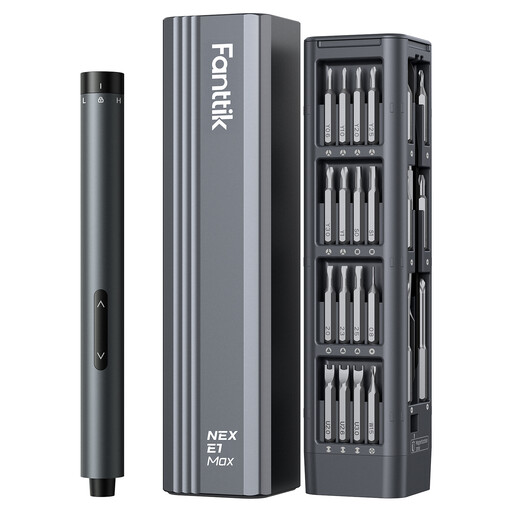
Why it stands out: This model, a winner of the iF Design Award 2023 and Red Dot Design Award 2024, offers precisely adjustable torque settings and a very large bit selection in a thoughtfully designed magnetic case.
Pros:
Who it's for: Tech-savvy DIYers and repair technicians who need a versatile and powerful electronics repair kit with precise torque control for a wide range of devices.

Why it stands out: A purely manual yet extremely comprehensive set that, with 56 different bits made of high-strength steel, covers nearly every conceivable precision screwdriving task.
Pros:
Who it's for: Users and professionals who prefer the absolute control and reliability of a manual tool and are looking for an extremely versatile precision screwdriver set for a wide variety of demanding repair jobs.
The models featured here already cover a broad spectrum of use cases. However, if you're looking for more specialised tools or different configurations, it's worth taking a look at our full range.
Discover our entire selection of precision screwdrivers and find the perfect tool for your project.
S2 steel is a tool steel alloy specifically engineered for higher impact resistance and hardness. Compared to the more common chrome-vanadium steel (CR-V), S2 steel is more wear-resistant and less prone to deforming under load. This makes S2 steel bits more durable, especially for stubborn screws or frequent professional use.
The decision depends on your workflow. An electric precision screwdriver is ideal if you value efficiency and often work on devices with many screws, as it saves time and reduces wrist strain. A manual set, on the other hand, offers better tactile feedback and absolute control over torque, which is advantageous for very delicate or valuable components, such as in watchmaking.