For a late-night snack, choose crispbread according to whether you want to eat it on its own or add a topping, and which ingredients you can tolerate – not just because it says ‘premium’. Thin, savoury varieties, plain wholegrain rye and protein-focused options each have their own strengths. So compare the nutritional information per 100 g and per serving, as well as the ingredients and allergens listed on the specific pack.
Which type is right for you?
If you like to crunch crispbread on its own
If you fancy something savoury late at night with no preparation, try thin seed crispbread or crackers specifically marketed for snacking on their own. For the particular variety, compare the salt and fat content per 100 g too.
If you’re looking for a base for toppings
Plain wholegrain crispbread may be a better choice with cheese, spreads or other toppings you already have. The ingredients list and fibre content can help you tell varieties apart; remember to include the topping when considering the nutritional value of the whole snack.
If you need to avoid certain ingredients
If you need to avoid gluten, lactose or other allergens, check the labelling for the specific variety. Ingredients and ‘may contain’ warnings can differ even between products from the same brand.
What should you look for when buying?
First decide how you want to eat your crispbread. Then compare the specific varieties using the nutritional information, ingredients and pack labelling.
| Criteria |
What to check |
Who is it important for? |
| Crunch and seasoning |
Tell the difference between thin seed crispbread, classic slices and crackers. For flavoured varieties, compare the salt, fat and sugar content per 100 g. |
If I want to snack straight from the pack, shape and flavour matter most to me. Around 40% of consumers would rank an immediately crunchy snack as their main reason for buying. |
| Wholegrain and toppings |
Check the type of grain and the ingredients list, as well as the fibre and protein content using the same serving size. |
If I want to turn crispbread and a topping into a light meal, I’m mainly looking for a suitable wholegrain base. Around 40% of consumers would make this their main reason for buying. |
| Dietary requirements |
Check the labelling for gluten, lactose and any other relevant allergens, as well as ‘may contain’ warnings on the specific pack. |
If I need to avoid certain ingredients, the labelling determines which variety is suitable for me. Around 20% of consumers would put this requirement first when buying. |
Common selection mistakes
-
Assuming ‘premium’ means better nutritional value
An eye-catching variety name doesn’t tell you how its ingredients and nutritional values compare with other crispbreads. Seed crispbread, wholegrain rye and crackers can all have different ingredients.
Compare the varieties that suit the way you eat them using the information per 100 g. The serving size also helps you work out how your usual snack fits in.
-
Assuming one variety represents the whole brand
A variety specifically labelled gluten-free doesn’t mean that the brand’s other products are gluten-free too. Depending on the recipe, products may contain rye, wheat, milk ingredients or sesame, and ‘may contain’ warnings can differ as well.
Every time you buy, check the ingredients, highlighted allergens and ‘may contain’ warnings on the pack you’ve chosen.
-
Comparing only the figures per slice
Not every variety has slices of the same size. So the nutritional information for a single slice doesn’t show how the recipes compare.
Use the figures per 100 g to compare products and the figures per slice or serving to check the amount you plan to eat.
-
Assuming an online listing matches what’s in store
EDEKA points out that an item may not be available in every store and that the information online may differ from the pack. ALDI SÜD notes that nutritional information for GOLDÄHREN may vary depending on the supplier.
Check the specific item available at your local store and read the current pack before buying.
Brands and ranges to consider
Wasa
Wasa offers classic rye varieties, thin Selection crispbread, crackers and separately labelled gluten-free and lactose-free options.
- Wasa states that Selection Protein+ contains 20 g of protein per 100 g; Selection Poppy Seed & Sea Salt contains wholegrain rye flour, linseed and poppy seeds.
- Ingredients and allergen information apply to each individual variety. Rye- or wheat-based varieties are not gluten-free alternatives.
Ryvita
The Original Crispbread, described internationally, is an example of plain rye crispbread.
- According to Ryvita, the Original contains wholegrain rye flour, rye flour and salt; the manufacturer states that it contains 88 g of wholegrain rye flour per 100 g.
- This information comes from the international manufacturer’s website. If you’re buying in Germany, the information on the pack being sold is the one to rely on.
EDEKA GUT&GÜNSTIG
This wholegrain crispbread provides a straightforward point of comparison with more heavily seasoned snack varieties.
- EDEKA states that this variety contains 95% wholegrain rye flour, as well as water and table salt.
- EDEKA notes that online information may differ from the pack. If you have allergies, it’s also important to check the product-specific ‘may contain’ warnings.
ALDI / GOLDÄHREN
GOLDÄHREN Vollkorn is another own-brand variety you can compare for its ingredients and nutritional information.
- ALDI SÜD states that GOLDÄHREN Vollkorn contains 15.3 g of fibre per 100 g. ALDI Nord stocks GOLDÄHREN varieties including wholegrain and sesame.
- ALDI SÜD notes that there may be different suppliers, leading to variations in nutritional information. So check the specific pack.
REWE
Here, REWE is a retailer where you can compare different types of products, rather than a single crispbread manufacturer.
- The online range includes crackers from various brands as well as classic crispbread.
- An item listed online isn’t necessarily available at every branch.
Crispbread for different snacking preferences
These Joybuy products showcase Wasa varieties for eating on their own or with toppings, alongside both savoury and milder options. This selection doesn’t replace checking the ingredients and allergen information on each pack.
 No image available
Wasa Delicate Crisp Oats & Sesame Crispbread, 230 g
A variety for anyone looking for the flavour of oats and sesame in a snack to enjoy on its own or with a topping.
If you need to avoid sesame or certain grains, check the ingredients and allergen information on the pack before buying.
View at Joybuy
 No image available
Wasa Whole Grain Rye Crispbread, 260 g
This wholegrain rye variety is worth considering if you want to eat crispbread on its own or use it as a base for a savoury topping.
Rye contains gluten. If you have other allergen requirements, check the ‘may contain’ warnings on the pack too.
View at Joybuy
 No image available
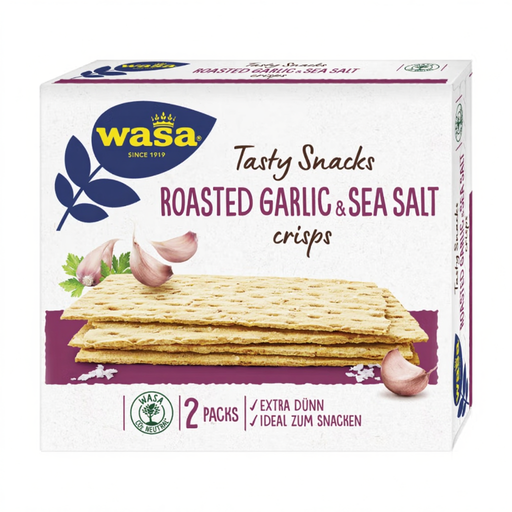
Wasa Round Crispbread Roasted Garlic & Sea Salt, 190 g
The roasted garlic and sea salt flavour is a good choice if you’re looking for a savoury variety to snack on its own or add toppings to.
For this variety, pay particular attention to the salt content per 100 g and per serving; check the allergen labelling too.
View at Joybuy
 No image available
Wasa Sourdough Rye Crispbread, 235 g
A rye sourdough variety for a snack you can enjoy on its own or top as you like.
If you need to eat gluten-free or avoid other ingredients, read the ingredients and allergen information on the specific pack.
View at Joybuy
 No image available
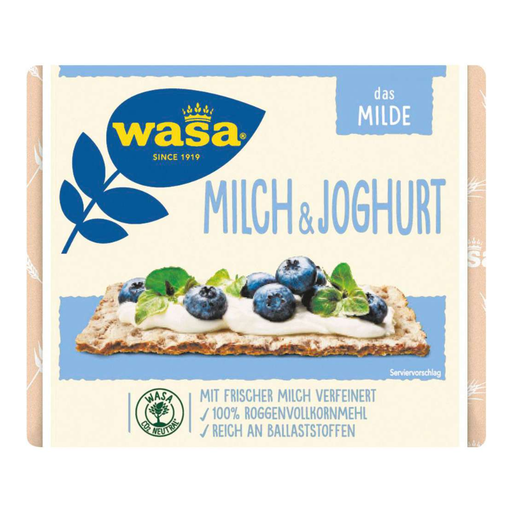
Wasa Delicate Crisp Milk & Yoghurt Crispbread, 230 g
The milk and yoghurt variety is an option if you’d prefer a milder flavour to a savoury, seasoned variety.
The product description says it has a softer, less crunchy texture. If you need to avoid milk ingredients or other allergens, check the pack labelling.
View at Joybuy
Frequently asked questions
Is rye or wheat crispbread gluten-free?
No, crispbread made with rye or wheat isn’t gluten-free. If you need to avoid gluten, look for a specific variety that’s explicitly labelled gluten-free and check the current pack.
Do I need to check allergens again, even if I know the brand?
Yes, because ingredients and possible traces can vary between varieties from the same brand. Read the labelling on the pack you actually plan to buy rather than assuming it’s the same as another product.
How can I tell which crispbread is suitable for snacking on its own?
The product’s shape and description can give you a clue: Wasa specifically describes its Tasty Snacks Sea Salt Crackers as suitable for eating on their own or dipping. Classic rye crispbread can also be eaten on its own; if you want to add toppings, choose a variety and shape that suit you.
How should I store crispbread?
Follow the storage instructions on the pack. For Wasa Rye Traditional, the product information listed by REWE recommends storing it in a dry place, protected from light and heat.
Are the details for own-brand products the same at every branch?
Don’t assume they are: EDEKA notes that the online information for its wholegrain crispbread may differ from the pack. For GOLDÄHREN, ALDI SÜD says that different suppliers may result in variations in nutritional information. So check the specific pack.


