
Lieferung heute & morgen

Qualitätsgarantie

Willkommens-Angebote freischalten: KOSTENLOSE Lieferung | Bis zu 80 % RABATT | Kostenlose 30-Tage-JoyPlus-Testphase
App herunterladen
A new painting project is on the horizon, whether you're moving into a new flat, tackling a needed renovation, or lacquering a piece of furniture. A paint set seems like the go-to solution: a convenient box containing everything you need. But the selection is vast, and not every set delivers on its promise. Many DIYers experience frustration when the supposed all-in-one package proves to be insufficient or of poor quality.
This guide will help you avoid the typical pitfalls. We'll show you the crucial features to look for to find a painting kit that will lead your project to success, rather than complicating it with bad tools.
Before you decide on a set, you should be aware of the most common problems that lead to unnecessary costs and subpar results.
To avoid these mistakes, focus on three objective criteria. These determine whether a renovation kit is suitable for your project.
The most important part of a paint roller set is the roller itself. The material and the length of the pile (the fibres) must match the surface texture and the type of paint being used.
A good wall painting set includes at least one high-quality brush. Look for the following features:
A well-thought-out set saves you additional shopping trips. Check if the following components are included:
Here are some product recommendations tailored to the specific needs of DIYers, which take the aforementioned quality criteria into account.
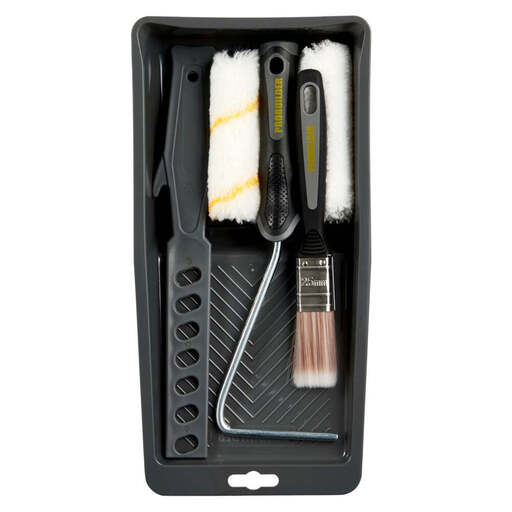
Why This Fits Their Persona: Ideal for renters moving in or out or for small touch-ups. This set is designed for efficiency and completeness for standard projects, so you don't have to worry about individual parts.
It solves the "incomplete set" problem. With a paint tray, two different rollers (microfiber and acrylic), a brush, and a stir stick, it includes everything you need to start immediately.
Versatility: Includes rollers for both smooth and lightly textured surfaces. Comfort: The soft-grip handle on the roller frame and brush ensures comfortable use.
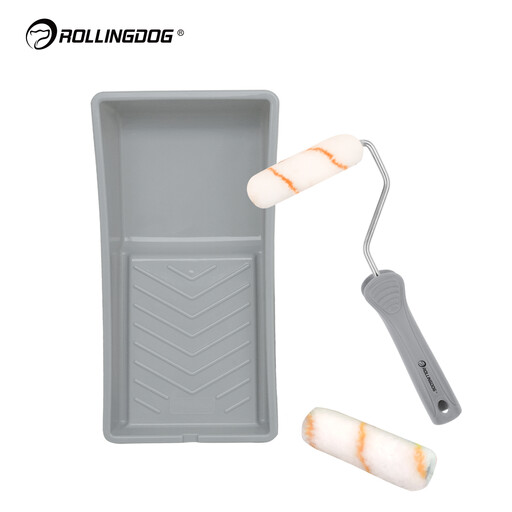
Why This Fits Their Persona: For DIYers who regularly tackle projects and value durable, reusable tools. This set provides a solid foundation for clean results on walls and ceilings.
It bypasses the "single-use tool" trap. The robust plastic components and high-quality polyester rollers are designed for durability and multiple uses.
Even Paint Application: The 12 mm polyester rollers ensure a smooth surface. Extendable: The frame is compatible with common extension poles (6 mm diameter).
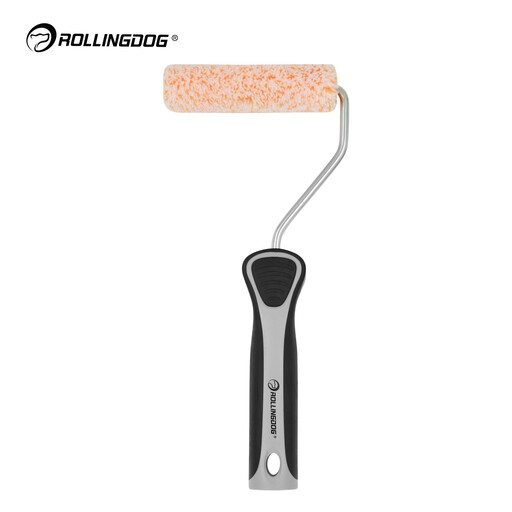
Why This Fits Their Persona: Perfect for crafters and renovators who are lacquering furniture, painting doors, or doing other detail work where a flawless, smooth finish is crucial.
This set prevents the use of the "wrong material." The 9.5 mm microfiber roller is specifically designed for smooth to semi-smooth surfaces, delivering a fine finish where a standard roller would fail.
Precise Control: The ergonomic, lightweight frame allows for exact handling. Durability: The galvanised steel frame is corrosion-resistant and sturdy.
We have compiled a complete, up-to-date list of products that fully meet these strict selection criteria and UK regulations.
1. How do I clean paint rollers and brushes properly so I can reuse them? Remove excess paint immediately after use. For water-based paints, wash tools thoroughly with lukewarm water and a little soap until the water runs clear. For solvent-based lacquers, use the cleaner recommended by the manufacturer. Then, hang rollers and brushes to dry or lay them flat to maintain the shape of the bristles.
2. Which paint roller is suitable for which wall? As a rule of thumb: the smoother the surface, the shorter the pile. For smooth walls and non-woven wallpaper, a short-pile roller (e.g., microfiber) is suitable. For woodchip or plaster, a long-pile roller (e.g., acrylic) is required to get the paint into the recesses. For lacquering furniture or doors, a foam or mohair roller is the right choice.
3. Are painting sets generally reusable? Reusability depends on the quality of the components. Inexpensive sets with thin plastic trays and flimsy frames are often intended for single use. Higher-quality sets with sturdy frames, robust trays, and good brushes can be reused for many projects with proper care. Only the paint rollers themselves are consumables that should be replaced depending on wear and tear.