
Lieferung heute & morgen

Qualitätsgarantie

Willkommens-Angebote freischalten: KOSTENLOSE Lieferung | Bis zu 80 % RABATT | Kostenlose 30-Tage-JoyPlus-Testphase
App herunterladen
The selection of ready-made baby meals is vast, and choosing the right prepared baby meal can quickly become overwhelming for parents. Packaging often makes big promises, but not every product delivers what it suggests at first glance. To avoid making the wrong choice, it's helpful to know the most common pitfalls and understand which criteria truly matter.
Many parents rely on well-known brand names like Hipp meals or Bebivita jars, but even within these ranges, there are significant differences. The following points highlight what you should look for to make an informed decision.
Common Pitfalls When Buying Prepared Baby Meals:
To find the right meal for your child, you shouldn't be guided by marketing claims, but rather by objective facts. The following three parameters are crucial for a nutritious and age-appropriate diet.
The development of oral motor skills is a gradual process. The food's texture should support this journey.
A close look at the label is essential. Pay attention to a short and understandable ingredient list.
To make the selection easier, we have matched some products to different requirement profiles. These are based on objective product characteristics such as ingredients, texture, and age recommendation.
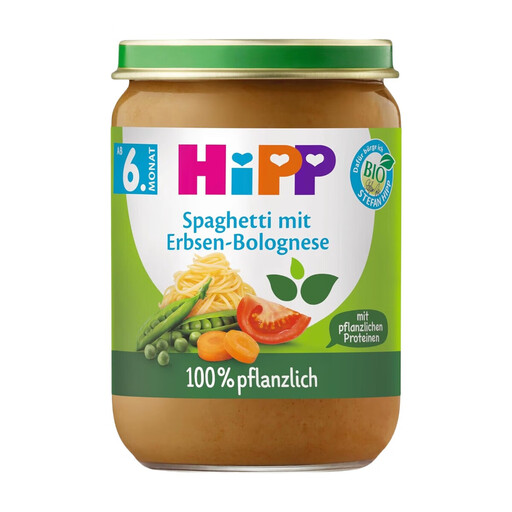
Why it's a good fit: This meal is finely puréed, making it ideal for babies just starting on complementary foods. It offers a plant-based protein source from organic peas and has a mild flavour.
The finely puréed texture is precisely tailored to the needs of weaning beginners, avoiding the risk of overwhelming them with chunky food too soon.
Comes with no added salt and contains valuable rapeseed oil as an omega-3 source. The ingredients are from organic farming.
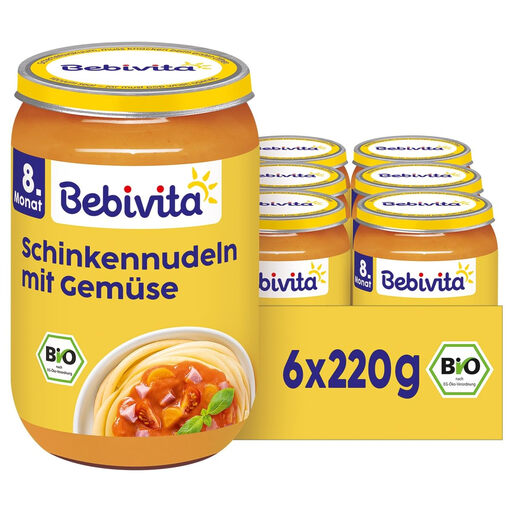
Why it's a good fit: This Bebivita jar contains fine pieces that encourage chewing without overwhelming the child. It is a complete meal for more advanced eaters.
The texture is specifically designed for the developmental stage from 8 months, thus avoiding the "one-size-fits-all" approach of many products.
The meal is low-salt and produced to organic quality standards. It offers a balanced combination of meat, vegetables, and pasta.
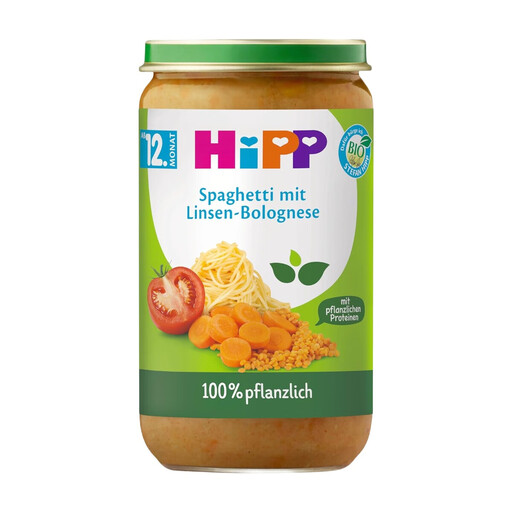
Why it's a good fit: This vegetarian baby meal is a complete, plant-based meal for toddlers. Organic lentils and pea protein provide valuable protein.
It challenges the assumption that a balanced baby meal must contain meat, offering a well-thought-out, purely plant-based alternative.
100% plant-based organic ingredients, very low salt content (0.03 g per 100 g), and age-appropriate pieces to encourage chewing.
We have compiled a complete, up-to-date list of products that fully meet these strict selection criteria and German safety regulations.
How can I identify a good prepared baby meal? You can recognise a good meal by its short, understandable ingredient list without unnecessary additives. Look for an age-appropriate texture, very low or no added salt, and a balanced composition of vegetables, carbohydrates, and a protein source. An organic seal is an additional mark of quality.
How long does an opened baby food jar last? Once opened, the jar should be tightly sealed and stored in the refrigerator. The unheated remainder should generally be consumed by the next day. Always follow the specific instructions from the manufacturer on the label. For hygiene reasons, any leftovers that have already been heated should not be reused.
Can you heat baby food in the microwave? Yes, most baby food jars can be heated in either a water bath or a microwave. Remove the lid before heating in the microwave. Only heat the portion you need. After heating, stir the meal thoroughly to distribute the heat evenly, and be sure to check the temperature before feeding your child to prevent burns.