
Lieferung heute & morgen

Qualitätsgarantie

Willkommens-Angebote freischalten: KOSTENLOSE Lieferung | Bis zu 80 % RABATT | Kostenlose 30-Tage-JoyPlus-Testphase
App herunterladen
If you wear glasses, you know the problem: the sun is blinding, but switching to regular sunglasses means sacrificing clear vision. Prescription sunglasses are often a costly investment. Fortunately, practical alternatives exist. However, the market is flooded with products of widely varying quality. Before you make a decision, it's crucial to understand the most common pitfalls that lead to dissatisfaction and unnecessary expenses.
This guide focuses on the objective criteria that define good sunglasses for glasses wearers, helping you find a functional and durable solution.
Many buyers regret their decision because they fall for exaggerated marketing claims or overlook crucial technical details. Pay special attention to these three points:
To avoid a bad purchase, you should focus on measurable and objective product features. Two factors are non-negotiable: the fit and the lens technology.
The way the sunglasses combine with your prescription glasses determines their comfort and practicality.
The quality of the lenses is crucial for both vision and safety.
Based on the objective criteria above, we have identified several products that represent well-designed solutions for specific user profiles.
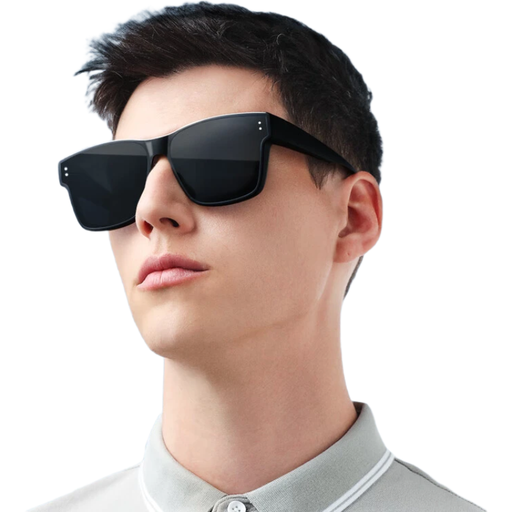
Why this model is a good fit: This model is designed for users seeking a straightforward and effective solution for daily use, especially for driving or walks. It focuses on essential functions without unnecessary frills.
The polarized nylon lenses directly address the problem of insufficient glare protection, offering clear vision in reflective conditions.
The combination of high-definition nylon lenses and polarization ensures enhanced visual clarity and reduces eye fatigue.
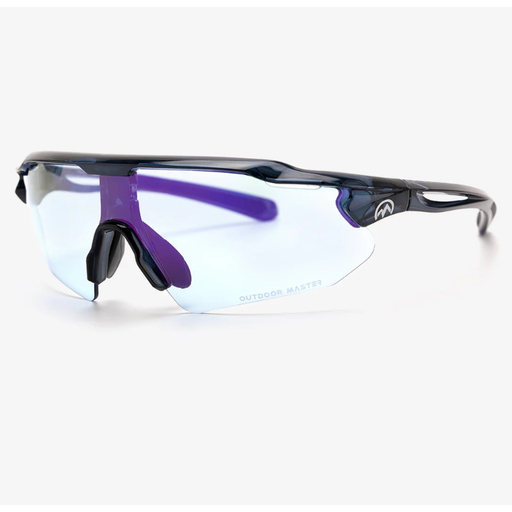
Why this model is a good fit: Ideal for cyclists and other athletes who need an adaptable and secure solution. The included inner frame for prescription lenses ensures a firm fit during movement.
Solves the fit problem of bulky over-glasses by using an integrated inner frame. The combination of photochromic and polarized lenses provides optimal vision in changing light conditions.
Photochromic and polarized lenses in one product. Lightweight TR90 frame (26-29g) and an adaptable system for high wearing comfort during sports activities.
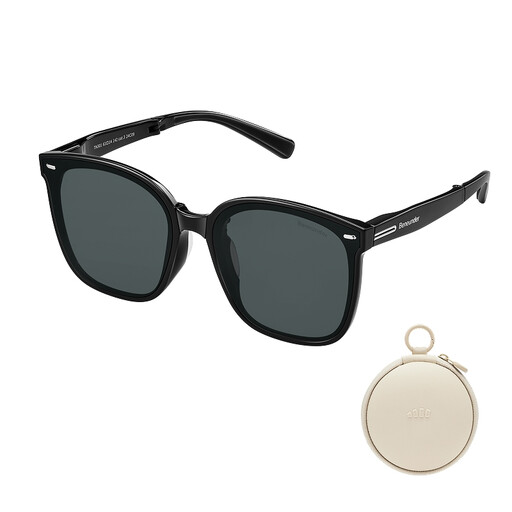
Why this model is a good fit: Perfect for travellers who value style and compactness. The oversized design fits over many smaller prescription glasses, while the patented folding mechanism makes it extremely portable.
Avoids the pitfall of a bulky appearance with a fashionable design. The low weight (26g) and ability to fold to a 35mm thickness solve the problem of cumbersome over-glasses.
Patented triple-fold design for maximum portability. Offers certified UV400 protection and an anti-reflective coating to reduce glare.
We have compiled a complete, up-to-date list of products that fully meet these strict selection criteria and industry safety standards.
Yes, this is possible with specially designed "fit-over" sunglasses or sufficiently large oversized models. It is crucial to compare the internal dimensions of the sunglasses with the external dimensions of your own prescription glasses before buying to ensure they fit without pressure or slipping.
Regular sunglass lenses simply reduce overall brightness. Polarized lenses, however, contain a special filter that specifically blocks distracting, reflected light (glare) from flat surfaces like wet roads, snow, or water. This significantly increases visual comfort and safety, especially when driving.
A clip-on sunglasses attachment is a very lightweight, compact, and often cost-effective solution. However, you should look for a high-quality attachment mechanism that won't scratch your eyeglass lenses. A potential downside is that they offer less protection from peripheral light and wind compared to full-frame sunglasses or fit-overs.