
Lieferung heute & morgen

Qualitätsgarantie

Willkommens-Angebote freischalten: KOSTENLOSE Lieferung | Bis zu 80 % RABATT | Kostenlose 30-Tage-JoyPlus-Testphase
App herunterladen
As a Joybuy Product Recommendation Officer, my mission is to provide you with clear, objective product information. If you're searching for preserved plums, you've likely noticed the vast selection, ranging from traditional European prunes to unique Asian specialities. This guide is designed to help you understand the differences and make an informed choice that suits your taste and needs.
Choosing the right product depends on a few key factors. Here are three points to guide your decision.
The taste experience is the most significant differentiator. European prunes are typically pitted and dried, resulting in a concentrated, purely fruity and sweet flavour. In contrast, Chinese plums and other Asian sweets are often preserved in a mixture of sugar, salt, and sometimes spices. The result is a complex sweet and sour snack that often has a salty note, designed to be appetising.
A look at the ingredients list reveals how the product is made. Products like classic prunes often contain only plums and perhaps a preservative to ensure shelf life. Candied fruits from Asia undergo a more elaborate process. Here, the fruits, often green plums, are treated with sugar, salt, and spices to achieve the desired texture and signature flavour. Pay close attention to the ingredients if you wish to avoid specific additives like artificial sweeteners.
Consider how you plan to use the plums. Individually wrapped, seasoned plums are designed as a convenient on-the-go snack. Larger packs of natural prunes, on the other hand, are excellent as an ingredient for muesli, yoghurt, baking cakes, or preparing savoury dishes.
Here is a selection of different plum products that reflect the diversity of the market.

Why it stands out: This product features a high fruit content of at least 90% green plums. The traditional processing with sugar, salt, and spices delivers an authentic taste experience that combines sweet and sour notes. The texture is crisp, and the flesh is thick.
Pros:
Who is it for? For those who appreciate the classic taste of traditional Chinese plums and are looking for a convenient, appetising sweet and sour snack.
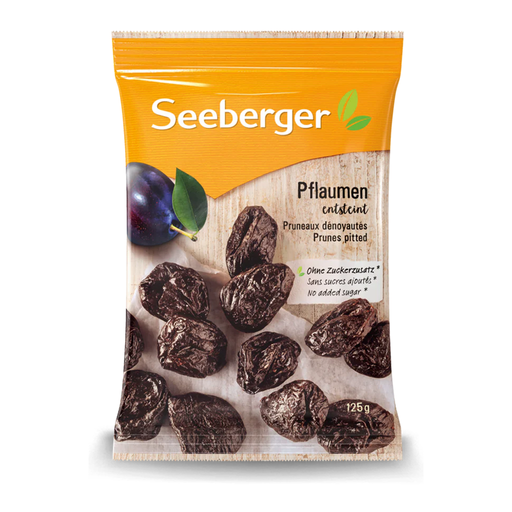
Why it stands out: Seeberger offers classic prunes with no added sugar. The sweetness comes entirely from the fruit itself. The large pack size makes it a versatile kitchen staple. According to the manufacturer, they are a popular source of dietary fibre.
Pros:
Who is it for? For health-conscious consumers looking for a natural source of fibre, as well as anyone needing a versatile ingredient for their daily diet.
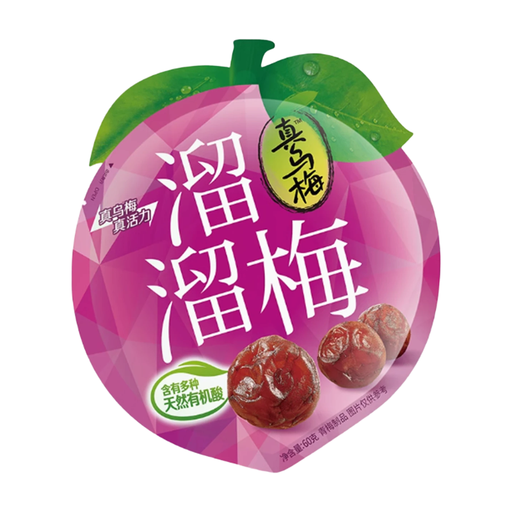
Why it stands out: These dark plums offer an intense flavour profile that is sweet, sour, and salty all at once. A special feature is their dual-use potential: they can be eaten directly as a snack or steeped in hot or cold water to create a homemade plum drink.
Pros:
Who is it for? For adventurous foodies who want to try a classic Asian sweet or prepare a traditional plum drink at home.

Why it stands out: This product offers variety in a single package. It contains a mix of five different types of preserved plums, including green plum, red bayberry plum, and Suzhou plum. The large tub is great for sharing.
Pros:
Who is it for? For anyone who loves variety, wants to discover different types of preserved plums, or is looking for a diverse snack for social gatherings.
If our featured selection doesn't have what you're looking for, or if we've sparked your interest in other fruity snacks, we have more alternatives. Explore our full range of easy quick healthy desserts and find your new favourite snack.
Prunes are dehydrated fruits that retain their natural, sweet fruit flavour. Preserved plums, especially varieties like Chinese plums, are additionally cured in a mixture of sugar, salt, and spices. This gives them a complex, often sweet-and-sour or salty taste.
They are most commonly eaten straight from the package as a snack, much like other Asian sweets. Some varieties, like the dark plums from Liu Liu, can also be steeped in water to make a refreshing drink.
The sugar content varies by product. Traditional candied fruits are made with sugar for preservation and flavour. In contrast, European prunes often contain no added sugar, only what is naturally present in the fruit. A look at the ingredients list and the nutrition facts on the packaging will provide precise details.