
Lieferung heute & morgen

Qualitätsgarantie

Willkommens-Angebote freischalten: KOSTENLOSE Lieferung | Bis zu 80 % RABATT | Kostenlose 30-Tage-JoyPlus-Testphase
App herunterladen
Finding authentic Asian snacks can be a challenge. In particular, preserved plums, also known as Suan Mei, offer a unique flavour experience that is distinctly different from European dried fruits. Many fans of Asian cuisine or adventurous foodies are eager to try this specialty but are often unsure which products will meet their expectations.
This article serves as a guide. It introduces various types of Chinese dried plums and provides practical tips for your selection. The goal is to offer an objective basis for your purchasing decision, helping you find the perfect plum snack for your palate.
Before you buy Suan Mei, some basic information can make the selection process easier. The variety is vast, and the differences are often in the details.
The term "preserved plum" covers a wide range of products. The classic version is known for its intense, sweet-and-sour flavour. There are also other popular preparation styles:
A look at the ingredient list is highly recommended. Preserved plums typically contain green plums, sugar, salt, and, depending on the product, other flavourings or additives. Watch out for allergens like sulfites (sulfur dioxide), which are used for preservation and must be declared.
The package size should suit your needs. Smaller, individually wrapped portions are convenient for on-the-go snacking. Larger tins or bags are ideal for stocking up at home or sharing with family and friends.
For newcomers, it can be helpful to start with established brands. Manufacturers like Liuliumei specialise in producing plum snacks and other sweet-and-sour dried fruits, offering consistent quality and a wide range of flavours.
Here is a selection of different products that represent the broad spectrum of preserved plums. The descriptions are based on manufacturer information and are intended to help you understand the characteristics of each variety.
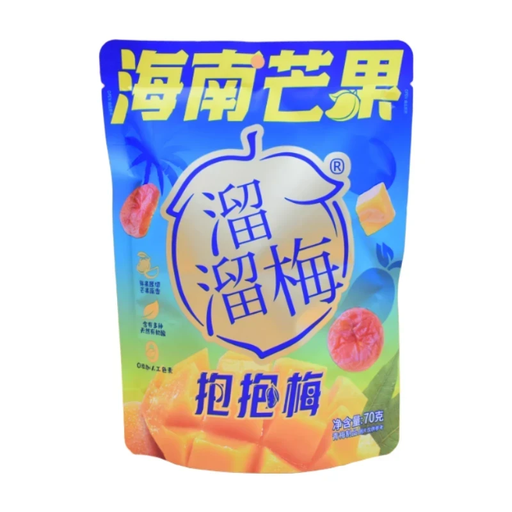
Why It Stands Out: This product combines the traditional taste of green plums with the exotic flavour of Hainan mango juice. This innovative blend creates a new taste experience.
Pros:
Who It's For: For those who are already familiar with classic plum snacks and want to try a fruity, modern twist. It's also a great choice as a convenient plum snack for the office or while travelling.
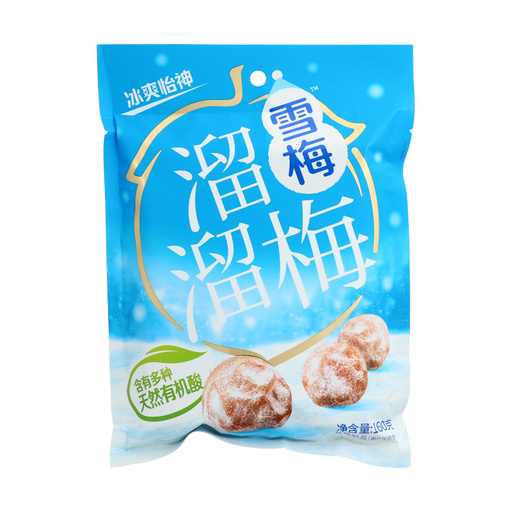
Why It Stands Out: The Snow Plum is a classic among Asian snacks. This product from Liuliumei follows the traditional recipe, where the plum is coated with a fine, white layer that creates a refreshing effect.
Pros:
Who It's For: For lovers of the traditional taste of snow plums and for anyone looking for a refreshing, sweet-and-sour snack that isn't too overpowering.

Why It Stands Out: This 500g tub offers a mix of five different varieties of preserved fruits. It's perfect for anyone who appreciates variety and wants to discover different flavours.
Pros:
Who It's For: For households, office groups, or individuals who prefer a wide selection of Chinese dried plums and other preserved fruits. Perfect for those who are undecided and don't want to commit to a single variety. Manufacturer's note: Contains the colorant Ponceau 4R (E124), which may have an adverse effect on activity and attention in children.
The world of Asian snacks is diverse and offers much more than just preserved plums. If you are looking for other flavours or different types of dried fruits, you can find a wider selection of interesting products in our specialty desserts category.
What are preserved plums (Suan Mei)? Suan Mei is a traditional confection from East Asia. It typically consists of unripe, green plums that are preserved in a solution of sugar, salt, and sometimes spices or licorice, and then dried. This process gives them their characteristic, complex flavour.
What do Chinese dried plums taste like? The flavour profile is typically an intense combination of sweet, sour, and salty. The exact balance varies by variety. Some are extremely sour, while others have a milder sweetness. The texture is often firm and chewy.
Are preserved plums and dried plums (prunes) the same thing? No. European dried plums (prunes) are typically just dried and have a purely sweet taste. Chinese dried plums, on the other hand, undergo an additional preservation (curing) process before drying, which results in their signature sweet-sour and often salty flavour profile.