
Lieferung heute & morgen

Qualitätsgarantie

Willkommens-Angebote freischalten: KOSTENLOSE Lieferung | Bis zu 80 % RABATT | Kostenlose 30-Tage-JoyPlus-Testphase
App herunterladen
A pressure cooker promises to revolutionise your daily kitchen routine: meals cooked in a fraction of the time, preserving nutrients while saving energy. But the market is overwhelming, and many appliances don't live up to their advertising claims. Before you make a purchase, it's crucial to understand the common pitfalls that often lead to disappointment and unnecessary expense.
As your Joybuy Product Recommendation Officer, I'm here to help you separate marketing hype from genuine facts. We'll focus on the features that truly matter, so you can find a model that perfectly fits your needs.
The 3 Most Common Traps When Buying a Pressure Cooker:
To avoid a bad purchase, you should focus on three essential technical features. These determine the longevity, safety, and cooking performance of your appliance.
The quality of the stainless steel and the construction of the pot's base are critical for even heat distribution and the appliance's durability.
The choice between a traditional pot for the hob and a standalone electric appliance is fundamental.
Modern pressure cookers are equipped with multi-level safety systems. Look for the following features:
Instead of making a one-size-fits-all recommendation, we have identified products tailored to specific user profiles.
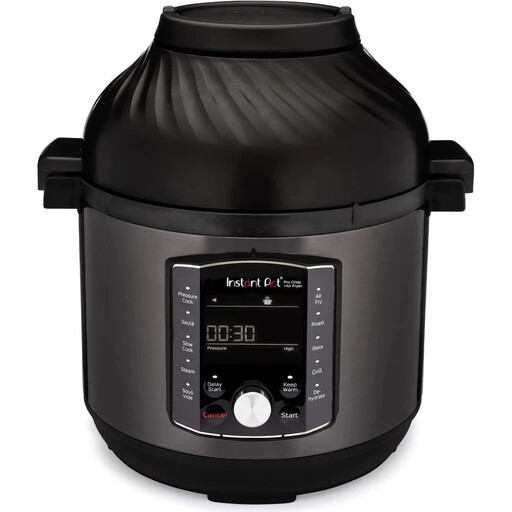
Why This Fits Their Persona: With a 7.6-litre capacity and the combination of a pressure cooker and an air fryer, this appliance is ideal for families who want to prepare large quantities quickly while saving space. It replaces multiple gadgets and significantly speeds up meal prep.
Instead of many redundant programs, it offers two distinct, high-performance main functions (pressure cooking and air frying) with separate lids, ensuring optimal results and sidestepping the "all-in-one" trap.
The EvenCrisp technology delivers crispy results with up to 95% less oil. The stainless steel inner pot is suitable for all hob types (including induction) and is oven-safe.
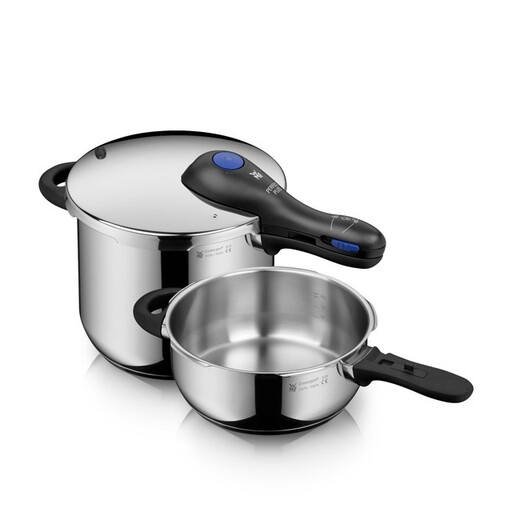
Why This Fits Their Persona: This set stands for durability and precise cooking results. Those who value high-quality materials (Cromargan stainless steel) and proven technology will find this a reliable solution for demanding kitchen tasks.
It focuses on the core competency of pressure cooking and avoids unnecessary electronics. The quality of the material and safety mechanisms (T?V-certified) is paramount, which bypasses the trap of inferior components.
The TransTherm universal base ensures optimal heat distribution on all hob types. The set, with 6.5L and 3L pots, offers maximum flexibility for different dishes and quantities.
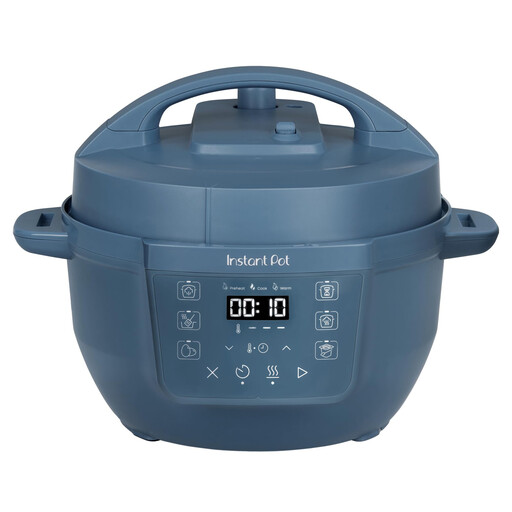
Why This Fits Their Persona: The compact 3.8-litre size is perfect for 1- to 3-person households. As an electric pressure cooker with 7-in-1 functionality, it replaces many other appliances and is ideal for kitchens with limited space.
It avoids the "wrong size" trap by offering a high-performance solution for smaller households. The multi-functionality is practical and not overloaded, as it specifically meets the need for several individual appliances.
The "set-and-forget" operation makes cooking extremely easy and time-efficient. According to the manufacturer, it cooks dishes up to 70% faster than traditional methods, which is perfect for weeknight dinners.
We have compiled a complete, up-to-date list of products that fully meet these strict selection criteria and German safety regulations.
1. How much energy does a pressure cooker really save? By shortening the cooking time under pressure, a pressure cooker can reduce energy consumption by up to 70% compared to cooking in a conventional pot. This is particularly noticeable with dishes that have long cooking times, such as goulash, legumes, or roasts, and actively contributes to energy-efficient cooking.
2. Is an electric multi-cooker or a stovetop pressure cooker more suitable for me? That depends on your priorities. An electric pressure cooker like the Instant Pot is ideal if you value convenience, automation, and versatility. A classic pressure cooker for induction or other hob types is the right choice if you prioritise maximum durability, higher pressure levels, and full manual control over the cooking process.
3. How do I clean and maintain my pressure cooker properly? Most stainless steel pots are dishwasher-safe. However, the lid, handle, and especially the sealing ring should be cleaned by hand to protect the materials. Regularly check the sealing ring for cracks or brittleness and replace it according to the manufacturer's instructions (usually every 1-2 years) to ensure safe operation.