
Lieferung heute & morgen

Qualitätsgarantie

Willkommens-Angebote freischalten: KOSTENLOSE Lieferung | Bis zu 80 % RABATT | Kostenlose 30-Tage-JoyPlus-Testphase
App herunterladen
A good pressure cooker can drastically reduce meal preparation times while preserving nutrients and flavours. But the market is flooded with models whose marketing promises often create more confusion than clarity. As your Joybuy Product Recommendation Officer, I'll help you identify the crucial features and avoid common purchasing traps, so you can make an informed decision for your household.
Before we dive into the important technical details, let's highlight the most common issues that lead to dissatisfaction. Knowing these will help you search for the right appliance more effectively.
To avoid a bad buy, focus on these three fundamental aspects. They determine the performance, safety, and longevity of your new kitchen assistant.
The quality of the pot starts with the material. Cromargan 18/10 stainless steel or comparable 18/10 rust-proof stainless steel is the standard for high-quality cookware. It is durable, rust-proof, flavour-neutral, and easy to clean.
Even more important is the pot's base. A so-called encapsulated base or sandwich base (like the TransTherm universal base from WMF or the Superthermic base from Fissler) is crucial. It consists of several layers, usually stainless steel enclosing an aluminium core. This construction ensures fast and, above all, even heat distribution and retention. This is not only energy-efficient but also prevents food from burning and is mandatory for use on induction hobs.
The choice between an electric and a classic model depends heavily on your cooking habits.
The right size is crucial for efficient cooking. A pot that is too large wastes unnecessary energy, while one that is too small limits you. As a rule of thumb:
Note that for safety reasons, a pressure cooker should never be filled to the brim (usually only up to 2/3 full).
Here are some models that represent a compelling option for different user profiles based on their objective features.
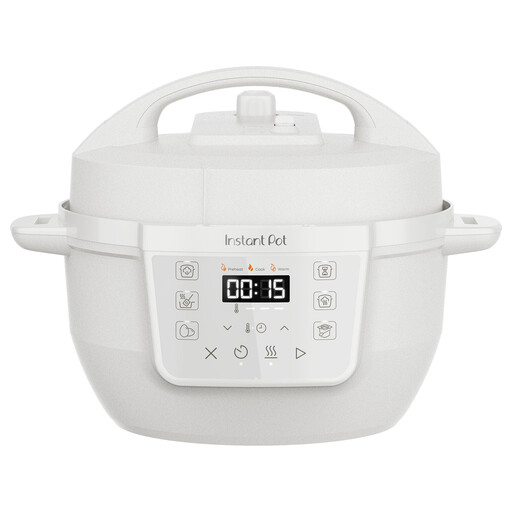
Why This Fits Their Persona: Ideal for singles, couples, or professionals looking for a hassle-free solution for quick weeknight dinners. The "set-and-forget" functionality with clear programs takes the complexity out of pressure cooking.
It bypasses the "feature bloat" trap because its 7-in-1 functions (pressure cook, slow cook, sauté, etc.) are field-tested and thoughtfully integrated. The proven safety mechanisms are clearly documented.
Automated cooking programs for effortless preparation; compact size with a small footprint on the countertop; stainless steel inner pot is dishwasher-safe.
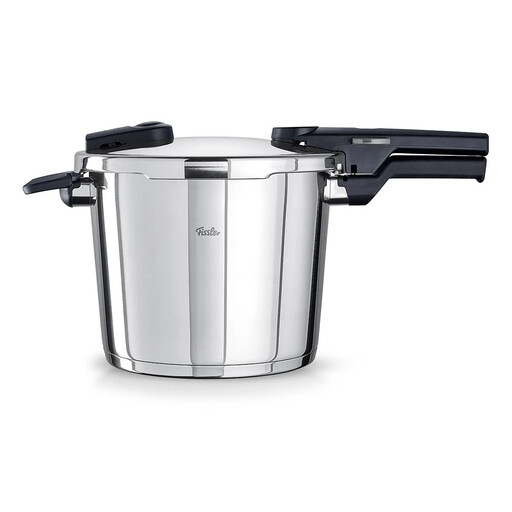
Why This Fits Their Persona: Perfect for families seeking a durable, reliable, and efficient pressure cooker for daily use. The 6-litre size is ideal for 3-4 people. "Made in Germany" here stands for quality craftsmanship.
It avoids the "poor material quality" trap by using 18/10 stainless steel and the energy-efficient Superthermic base, which ensures optimal heat distribution on all hob types, including induction.
Clear safety features like a positioning aid and locking indicator; detachable handle for easy cleaning and storage; two adjustable cooking levels for gentle or fast cooking.
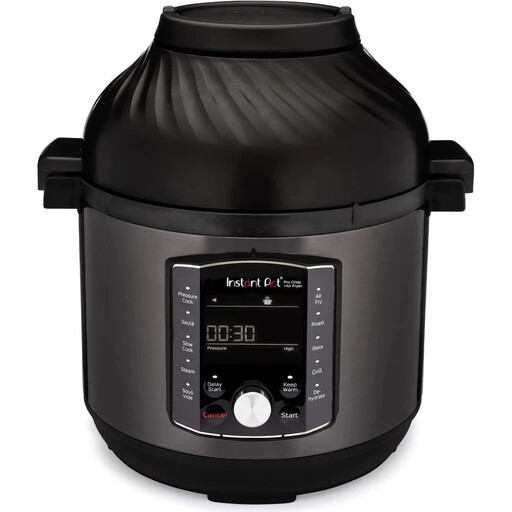
Why This Fits Their Persona: For home cooks who want to combine maximum functionality and modern technology in one appliance. This model not only replaces the pressure cooker but also an air fryer, saving valuable kitchen space.
This device solves the problem of "mediocre multifunctionality" by using two separate, specialized lids: one for pressure cooking and one for air frying. This ensures that both core functions deliver high performance.
True 2-in-1 functionality (pressure cooking & air frying); large 7.6-litre capacity for families or meal prep; inner pot with a three-ply base is even oven-safe.
We've compiled a complete, up-to-date list of products that fully meet these strict selection criteria and safety regulations.
Most stainless steel pots (without the lid and handles) are dishwasher-safe. However, the lid, sealing ring, and valves should always be cleaned by hand to ensure their function and longevity. The silicone sealing ring should be regularly checked for cracks and replaced according to the manufacturer's instructions (usually every 1–2 years).
That depends on your priorities.
A pressure cooker can reduce cooking time by up to 70% compared to conventional methods. According to manufacturers like Instant Pot, this can lead to energy savings of up to 80%. The savings are particularly significant for dishes with long cooking times like goulash, legumes, or stews, as the hob or cooktop needs to be on a high setting for a much shorter period.