
Lieferung heute & morgen

Qualitätsgarantie

Willkommens-Angebote freischalten: KOSTENLOSE Lieferung | Bis zu 80 % RABATT | Kostenlose 30-Tage-JoyPlus-Testphase
App herunterladen
A pressure cooker, sometimes also called a steam cooker, is a valuable tool for the modern kitchen. It allows you to prepare dishes in a fraction of the usual time, which not only makes daily life easier but also contributes to energy-efficient cooking. But the market is crowded, and not every model delivers on its promises. Before you make a decision, it's important to know the most common pitfalls that can lead to an unsatisfactory purchase.
As your Joybuy Product Recommendation Officer, I've summarised the key points to help you distinguish marketing hype from genuine quality features.
Many buyers are drawn to supposed bargains or outdated designs, which often leads to disappointment. Pay close attention to these three aspects to make a durable and safe choice.
To avoid the mistakes mentioned above, you should base your choice on objective criteria. The following three parameters are crucial for performance, safety, and durability.
The material is the most important factor for quality. A stainless steel pressure cooker, ideally made of 18/10 stainless steel, is the most reliable choice. This alloy is rust-proof, non-reactive, durable, and easy to clean.
The base of the pot is just as crucial. An encapsulated sandwich base (e.g., Fissler Superthermic or Zwilling SIGMA Classic) consists of multiple layers, usually an aluminium core between two stainless steel layers. This construction ensures fast and completely even heat distribution on all stovetop types, including induction. This not only prevents food from burning but also maximises energy efficiency.
The size of the pot should be based on the number of people you regularly cook for:
A modern pressure cooker should offer several features for safe and easy handling:
Here are some models that represent a considered choice for different user profiles based on the criteria mentioned.
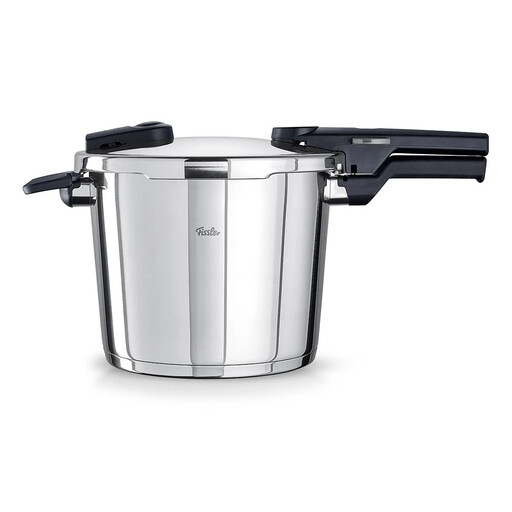
Why This Fits Their Persona: Ideal for families who value quick, nutrient-preserving meals. The 6-litre size is perfect for stews, goulash, or preparing side dishes for 3-4 people. Fissler is an established German brand known for its durability and safety standards.
The pot is made of 18/10 stainless steel and features the Superthermic base, which is suitable for all stovetops, including induction. A locking indicator and two cooking levels meet modern safety and functional requirements.
The energy-efficient Superthermic base ensures optimal heat distribution. The detachable handle makes cleaning and storage significantly easier.
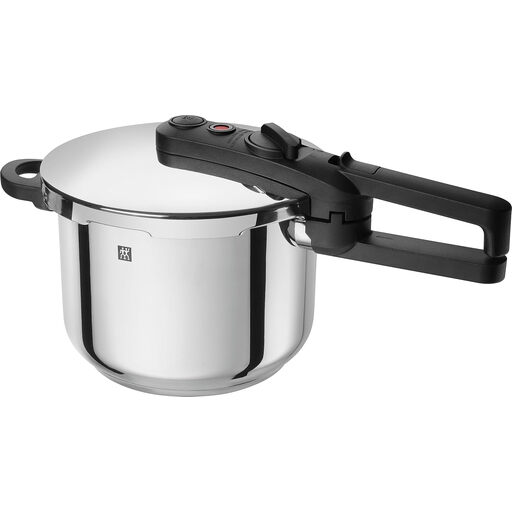
Why This Fits Their Persona: Perfect for couples or ambitious cooks who appreciate precise results. The 4-litre size is ideal for smaller portions or delicate dishes. The Zwilling brand stands for high material quality and thoughtful design.
The SIGMA Classic sandwich base ensures excellent heat conduction on all stovetops. The integrated safety valve and high-quality materials (18/10 stainless steel) prevent the typical safety and material flaws.
Two adjustable pressure levels allow for flexible adaptation to different foods—one for gentle cooking, the other for high-speed cooking. This offers more control over the final result.
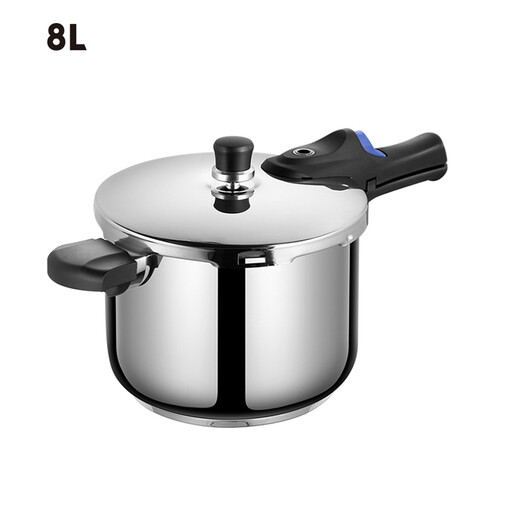
Why This Fits Their Persona: For anyone who regularly cooks for a large family, prepares meals in advance (meal prep), or wants to can fruits and vegetables. The large 8-litre volume offers maximum capacity for demanding tasks.
Made from 304 stainless steel (a common, high-quality standard), this pot offers the necessary material quality and durability. It is suitable for all stovetops and features the essential modern safety standards.
The main selling point is its generous 8-litre capacity, which is rare in this price category. It's a functional solution for anyone who needs maximum volume.
We've compiled a complete, up-to-date list of products that fully meet these strict selection criteria and safety standards.
1. How much energy does a pressure cooker really save? A pressure cooker can reduce cooking time by up to 70% compared to a conventional pot. Since the stovetop is operated at a high setting for a much shorter period, this leads to significant energy savings. The potential for energy-efficient cooking is especially high for dishes with long cooking times, such as goulash, legumes, or beef roulades.
2. Is a stainless steel pressure cooker dishwasher-safe? The pot itself (the part without the lid) is dishwasher-safe on most stainless steel pressure cooker models. However, caution is advised with the lid: the sealing rings and valves should be cleaned by hand, according to most manufacturers, to ensure their function and longevity. Some models offer detachable handles and valve units, which simplifies cleaning. It's always wise to check the manufacturer's instruction manual.
3. How can I tell if a pressure cooker is suitable for induction? A pot for an induction stovetop must have a magnetic base. Look for the induction symbol (a stylised coil) on the packaging or directly on the pot's base. A simple test: if a magnet sticks to the bottom of the pot, it's suitable for induction pressure cooking. High-quality modern pressure cookers with a sandwich base are almost always designed for all stovetop types, including induction.