
Lieferung heute & morgen

Qualitätsgarantie

Willkommens-Angebote freischalten: KOSTENLOSE Lieferung | Bis zu 80 % RABATT | Kostenlose 30-Tage-JoyPlus-Testphase
App herunterladen
A pressure cooker or multicooker can make planning meals easier, but it won’t automatically replace several appliances. There are clear differences between traditional stovetop pressure cookers, electric pressure cookers and multicookers when it comes to ease of use, capacity, cleaning and hob compatibility. If you focus only on a high wattage or lots of programmes, you could easily overlook details that matter.
A 6-litre multicooker doesn’t always have room for 6 litres of ingredients. The Cecotec Programmable Cooker Model D has a stated internal capacity of 6 litres, but a usable capacity of only 5 litres, according to the product description. You also shouldn’t fill the pot to the brim when pressure cooking. Check both the stated total capacity and the maximum fill line.
A multicooker may include functions such as stewing, steaming, keeping food warm or slow cooking without being a high-pressure appliance. A slow cooker, for example, works at low temperatures and takes considerably longer. An electric pressure cooker, on the other hand, combines pressure cooking with other programmes. A low-pressure cooker operates at a lower pressure than a traditional pressure cooker.
The sealing ring, lid valve and removable inner pot all matter in everyday use. An appliance with lots of functions isn’t necessarily easy to clean. Look for removable parts, check which components are approved for dishwasher cleaning, and find out how to replace the seals. With coated pots, it’s also important to use suitable utensils to avoid damaging the surface.
For one person or a couple, 1.8 to 3.8 litres is often enough. A family pressure cooker is usually around 5 to 6.5 litres. If you batch cook or make larger portions, a 7.6-litre model may be a good choice. Remember to consider where you’ll store it, how much it weighs and whether it will fit under your wall cupboards.
A traditional induction pressure cooker needs a suitable multi-layer or encapsulated base. Models made from 18/10 stainless steel are durable and often suitable for induction, gas, ceramic and electric hobs. Always check the manufacturer’s specifications, though. An electric multicooker, by contrast, plugs into a socket and doesn’t depend on your type of hob.
Look for a locking lid, a clear pressure indicator and controlled steam release. You shouldn’t be able to open a pressure cooker while residual pressure remains inside. Two pressure settings can give you the choice of gentler or faster cooking. For electric appliances, overheat and boil-dry protection, as well as clear instructions, are also important.
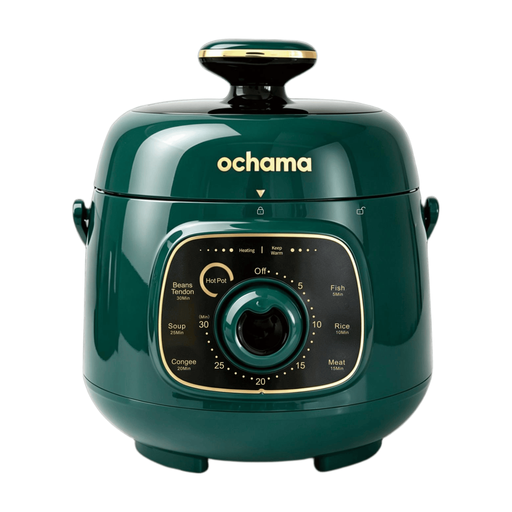
Why this product suits this profile: With a 1.8-litre capacity and 500 watts of power, this appliance is designed for one or two people, students and smaller kitchens. According to the product description, it offers seven cooking functions.
Its clearly defined capacity helps buyers avoid mistaking a small appliance for a family-sized model. Check the fill-level, sealing ring and steam-release instructions before using it for the first time.
Compact design, EU plug, ceramic inner pot and several pre-set programmes.
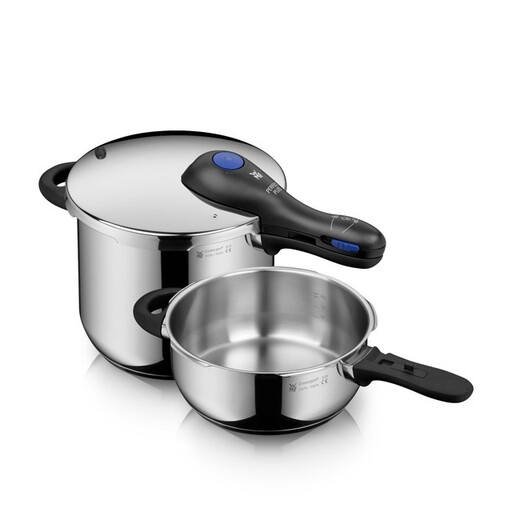
Why this product suits this profile: The set combines a 6.5-litre pressure cooker with a 3-litre casserole pot. According to the product description, it’s suitable for induction, gas and ceramic hobs.
Having two pots gives you more ways to use the set than a single pot would. A universal lid makes storage easier, while the removable handle helps with cleaning.
18/10 stainless steel, TransTherm multi-layer base, two pressure settings and a safety system that is TÜV-certified according to the product information.
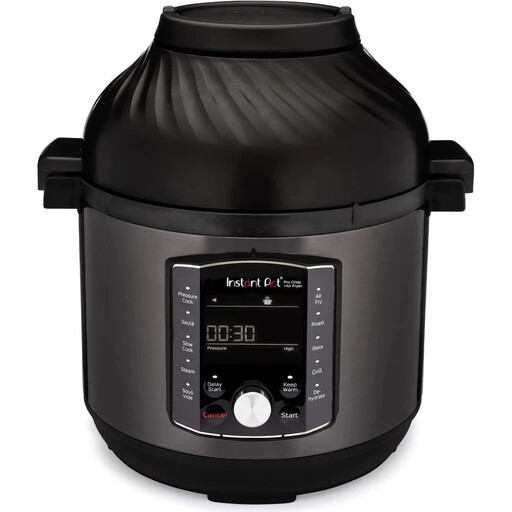
Why this product suits this profile: If you want to combine pressure cooking with crisp cooking, this appliance comes with a pressure-cooking lid and a separate air fryer lid. Its capacity is suited to families, batch cooking and larger quantities.
The two lids make it clear which cooking method you’re using. Before buying, make sure you have enough space and consider the accessories and extra cleaning involved.
7.6 litres, stainless steel inner pot, pressure-cooking and hot-air functions, plus a temperature range of 21 to 232 °C according to the product description.
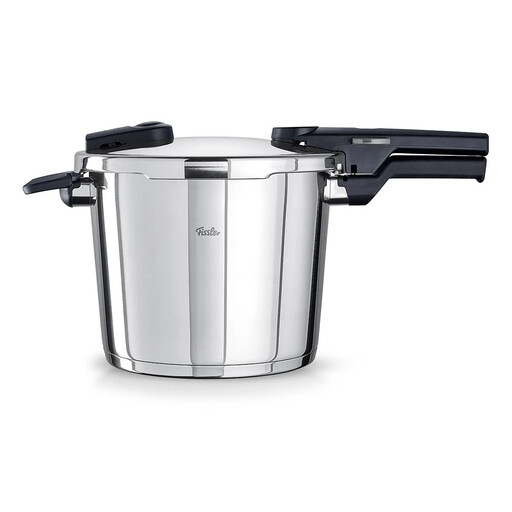
Why this product suits this profile: This traditional stovetop pressure cooker doesn’t rely on electronics. Its 6-litre capacity is suitable for larger portions, and it’s compatible with induction hobs according to the product description.
The clearly stated capacity and two cooking settings make it easier to choose the right option. A positioning and locking indicator helps you fit the lid correctly.
18/10 stainless steel, Superthermic base, removable handle and a 3-year manufacturer’s warranty according to the product information.
We’ve put together a complete, regularly updated list of products that meet these strict selection criteria and fully comply with the safety regulations in force in the EU.
It depends on the appliance’s power, cooking time, electricity tariff and type of hob. Electric appliances have a stated power rating, while traditional models use your hob’s energy source. Claims such as ‘up to 70 per cent faster’ should be treated as manufacturer claims and may not apply to every recipe.
Its lifespan depends on the materials, how often you use it and how well you look after it. Check the sealing ring, valve and locking mechanism regularly. Replace wear-and-tear parts in line with the manufacturer’s instructions. An stainless steel pressure cooker can last a long time with proper cleaning, but avoid harsh cleaners and exposing it to heat incorrectly.
Look for clear instructions, a working pressure indicator, a safety valve and a reliable lid lock. Never force the cooker open, and wait until the pressure has been fully released. For electric multicookers, useful features to look for include an easily accessible sealing ring, a removable inner pot and clear programme instructions.