For already-cooked tinned white beans, pressure cooking isn’t a necessary reason to buy a new appliance: the German Federal Centre for Nutrition distinguishes tinned beans from raw and dried pulses, which need to be cooked. For small portions of beans, a suitable pan with a cooking or sauté function that doesn’t use pressure should be enough, unless you have other uses for pressure-cooking programmes. A compact pressure multicooker may be worth considering if you’ll also use it regularly to prepare other dishes. If so, check its footprint, usable capacity, cleaning requirements and instructions for releasing pressure.
Which appliance is right for you?
For cooks short on space
If you make small portions of tinned beans, weigh up the appliance’s footprint and storage needs against the benefits of adding another gadget. Instant Pot lists the Classic Mini’s rated capacity as 3.8 litres, but that alone won’t tell you how much worktop space you’ll need.
For versatile cooks
If you regularly make dishes other than bean stew, compare usable pot capacity and the cooking modes available with and without pressure. Tefal and Rommelsbacher list cooking functions for their respective models, as well as a usable capacity that is lower than the rated capacity.
For first-time pressure cookers
If you want to know how to handle the lid, steam release and cleaning before you buy, read the manual for the specific model. Instant Pot manuals include instructions for releasing pressure; the instructions for another model are no substitute for your own appliance’s manual.
What should you look for when buying?
Use a pan you already own
A good fit if: you mainly heat or simmer small quantities of tinned beans and already have a suitable pan.
The trade-off: you won’t get extra automatic or pressure-cooking programmes, but you also won’t be adding another appliance.
Compact pressure multicooker
A good fit if: you regularly want to pressure-cook dishes other than tinned beans and have space for a 3.8-litre appliance.
The trade-off: even a compact appliance needs a safe spot and clear space for steam to escape.
Larger pressure multicooker
A good fit if: you regularly make larger portions or a range of dishes, and the usable capacity suits your recipes.
The trade-off: a larger appliance takes up more space; there’s no proven benefit for small portions of tinned beans.
| What matters |
What to check before buying |
Who it matters to |
| Footprint and portion size |
Check the appliance dimensions, space needed for steam to escape and maximum fill level in the manual against your kitchen and recipe. |
If I have limited worktop space and usually cook small portions, the right size matters more to me than a large rated capacity. For around 40% of consumers, the combination of space and portion size comes first. |
| Cooking mode for tinned beans |
Check whether the appliance can cook or sauté without pressure; for pressure-cooking recipes, follow the liquid and fill-level requirements. |
If I want to simmer tinned beans in a sauce, I’m looking for a suitable mode that doesn’t require unnecessary pressure programmes. For around 30% of consumers, cooking tinned beans without pressure is the priority. |
| Steam release and cleaning |
Read the model-specific instructions for positioning, pressure release and cleaning; compare removable parts and replacement sealing rings. |
If I use a pressure cooker in a small kitchen, I want to know how to release steam safely and which parts need cleaning. For around 20% of consumers, handling pressure release and maintenance are particularly important. |
| Other dishes and functions |
Compare the dishes you regularly cook with the documented functions and usable capacity. |
If I want to use the pot for other dishes too, suitable programmes and usable capacity matter to me. For around 10% of consumers, this added versatility is the main consideration. |
Common buying and usage mistakes
-
Treating tinned beans like dried beans
Cooking instructions for raw or dried pulses don’t necessarily apply to tinned beans. The German Federal Centre for Nutrition describes tinned pulses as a time-saving option and recommends cooking raw fresh and dried pulses.
First, decide whether you’ll regularly want to pressure-cook dishes beyond simply heating and simmering tinned beans.
-
Confusing rated capacity with usable capacity
For the Tefal Turbo Cuisine CY7548, the manufacturer lists a rated capacity of 5.0 litres and a usable capacity of 3.2 litres. For the Rommelsbacher MD 1000, it lists a pot capacity of 6 litres and a usable capacity of 4 litres.
Compare the usable capacity and fill markings of the specific appliance with your portion size and recipe ingredients.
Brands to consider
Instant Pot
The Classic Mini is a compact pressure multicooker with a rated capacity of 3.8 litres.
- The manufacturer’s manual lists pressure cooking and sautéing. The quick start guide gives a voltage of 220–240 V and a working pressure of 80 kPa for the Mini variants listed.
- Tinned beans don’t need to be pressure-cooked simply because the appliance is a pressure cooker. Check the space required and fill limits in the manual for your model.
Tefal
According to Tefal, the Turbo Cuisine CY7548 combines pressure cooking with functions such as browning and slow cooking.
- Tefal Germany lists a rated capacity of 5.0 litres and a usable capacity of 3.2 litres for this model.
- The larger capacity has no proven benefit for small portions of beans; check the appliance dimensions and usable capacity against your kitchen and recipes.
Rommelsbacher
The MD 1000 MeinHans is aimed at buyers who want to use cooking programmes with and without pressure, as well as simmering.
- Rommelsbacher lists a pot capacity of 6 litres, a usable capacity of 4 litres, two pressure settings and a spare sealing ring.
- In its review, updated on 25 June 2026, F.A.Z. Kaufkompass noted that the manual was average and cleaning was awkward. This feedback relates to this model and is not a comment on the brand as a whole.
Midea
According to Midea, the MPC602SBMK has a 6-litre capacity, making it most relevant to buyers comparing appliances for larger portions.
- Midea lists one-touch pressure release and dishwasher-safe individual parts.
- These manufacturer-listed features don’t demonstrate an advantage if you only make small portions of tinned beans. Compare the space it needs with the space you have available.
Joybuy products for small portions and versatile cooking
The Joybuy products below range from small cooking pots for boiling and simmering to a compact multicooker with a pressure function. For tinned beans, the key thing to check is whether the appliance has a mode that doesn’t use pressure.
 No image available
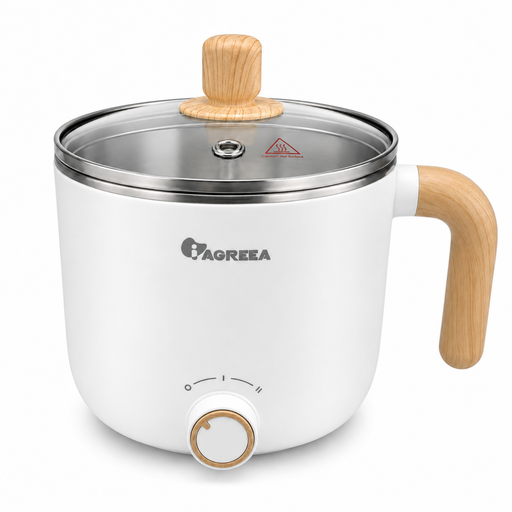
IAGREEA Mini Cooking Pot 1.0 Litre, 300/600 W
For small portions: the product description says it is designed for 1–2 people and soups.
The title lists a stainless steel inner pot and two power settings of 300 W and 600 W.
View at Joybuy
 No image available
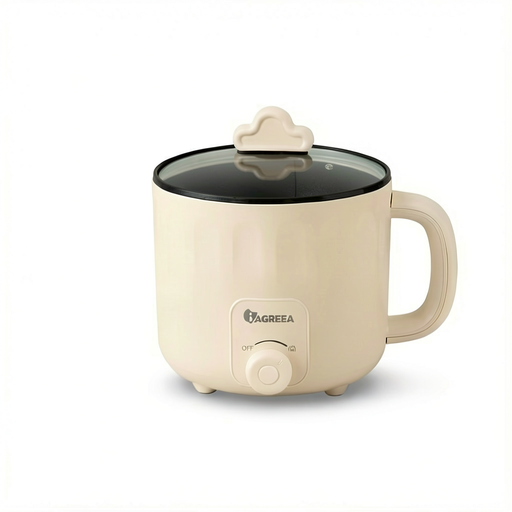
IAGREEA Mini Cooking Pot 1.6 Litres, 600 W
The description lists simmering and slow cooking as options for preparing small portions.
The product title lists a non-stick coating and automatic shut-off.
View at Joybuy
 No image available
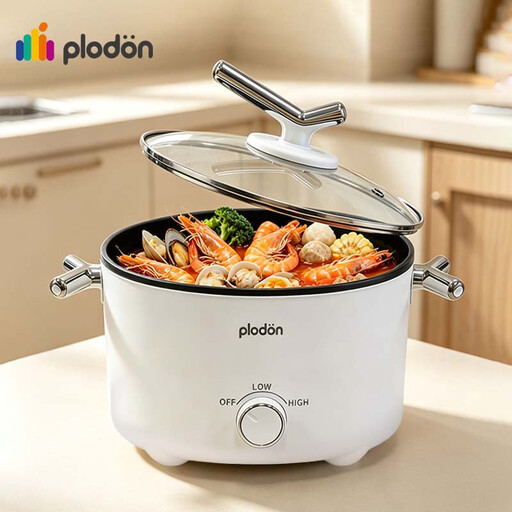
plodon Electric Hot Pot 2.0L, 1000W
For small one-pot meals: the product description lists soups and one-pot dishes, among other uses.
The title lists a 2-litre capacity, 1000 W and controls with two power settings.
View at Joybuy
 No image available
IAGREEA Slow Cooker 2.6 Litres with Steaming Insert
The description lists simmering and soups among its uses, as well as two manual heat settings.
A steaming insert for eggs is included, according to the product description. The size information suggests it is suitable for family meals or small gatherings; for very small portions, its capacity may be more than you need.
View at Joybuy
 No image available
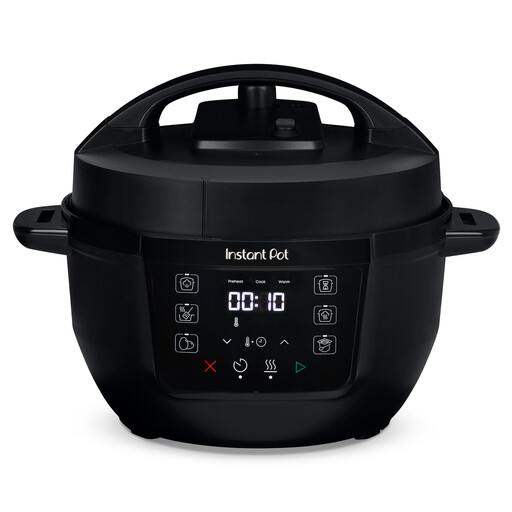
Instant Pot Mini Black 3.8L - 140-8000-01-EU
For buyers who also want to pressure-cook: the description lists pressure cooking, slow cooking and sautéing, with a capacity of up to four portions.
For pressure-cooking recipes with beans or grains, observe the stated 1/2 fill limit and only open the lid once the pressure has been fully released.
View at Joybuy
Frequently asked questions
Do tinned white beans need to be pressure-cooked again?
No. Beans don’t need to be pressure-cooked simply because they are beans. The German Federal Centre for Nutrition describes tinned pulses as a time-saving option and recommends cooking raw fresh and dried pulses. For a stew made with tinned beans, you can look for a cooking or sauté function that doesn’t use pressure; this doesn’t establish a specific cooking time.
How do I position and open an electric pressure cooker safely?
According to the manual, the Instant Pot Classic Mini should be placed on a stable, level, non-combustible surface, with its vents unobstructed. Follow the instructions for releasing pressure for your specific appliance. In its Duo manual, Instant Pot warns against opening the lid until the pressure has been fully released; this instruction is no substitute for the manual for another model.
What should I do with leftovers from an opened tin of beans?
According to the consumer advice centre, transfer the contents to a suitable container with a lid, or use them straight away. Heavily dented or bulging tins should be thrown away.
Are a manufacturer’s guarantee and your statutory rights the same thing?
No. If a product is faulty, your statutory rights are against the seller; a guarantee is an optional extra with its own terms and conditions. Check information about guarantees and spare parts separately.
Is the CE marking an official safety approval for my pressure cooker?
No. For applicable electrical appliances, the manufacturer must meet the relevant EU requirements and affix the CE marking; it is not an official, individual approval of the model. Check the marking and the manual supplied with the specific appliance.


