
Lieferung heute & morgen

Qualitätsgarantie

Willkommens-Angebote freischalten: KOSTENLOSE Lieferung | Bis zu 80 % RABATT | Kostenlose 30-Tage-JoyPlus-Testphase
App herunterladen
A good pressure sprayer can make work in the garden, home, or during car care significantly easier. However, the market is saturated with models of widely varying quality. Often, subtle defects or exaggerated marketing claims lead to a purchase that proves useless after a short time. This guide shows you what to look for to avoid common pitfalls and find a durable, functional device.
Many buyers share similar negative experiences. These are typically based on three key weaknesses common in budget-friendly models:
To avoid the issues mentioned above, you should check three core technical aspects before making a purchase. These largely determine the functionality and lifespan of your pressure sprayer.
The material of the container and seals is critical for longevity and safety.
The method of pressure build-up affects user comfort and efficiency.
The nozzle determines how the liquid is dispensed. A high-quality, adjustable nozzle is a must-have for versatile applications.
Instead of making a one-size-fits-all recommendation, we have identified products that are tailored to specific use cases and meet the quality criteria mentioned above.
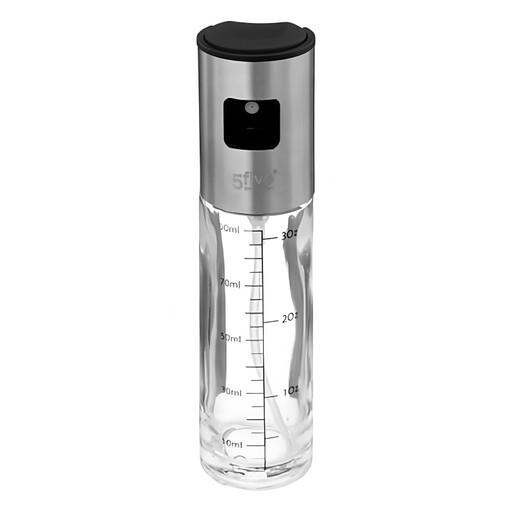
Why It's a Match: Ideal for health-conscious cooks who want to dispense oil or vinegar precisely and economically. The design is functional and fits elegantly into any kitchen.
The glass container is food-safe, taste-neutral, and resistant to the acidity of vinegar. Unlike cheap plastic sprayers, the material will not corrode or become brittle.
Features a clear measurement scale for precise portion control. The durable spray mechanism is designed for longevity.
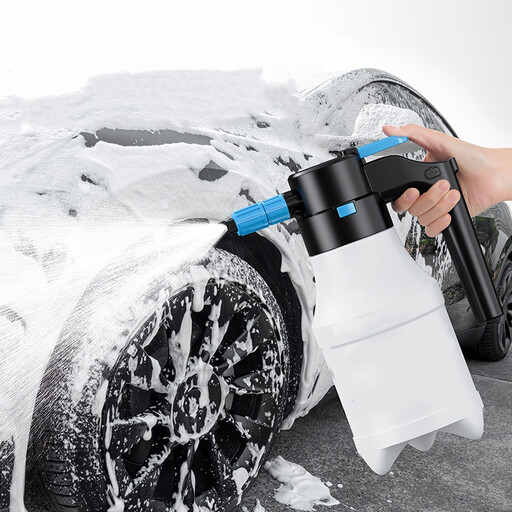
Why It's a Match: For home and garden owners looking for a single device for various tasks like car washing, plant care, and household cleaning, who want to avoid manual pumping.
The electric battery-powered drive eliminates the problem of inefficient, tiring pumping and ensures constant pressure. The adjustable brass nozzle is more robust and less prone to clogging than simple plastic nozzles.
Cordless operation with USB charging for maximum flexibility. The one-button control allows for easy switching between mist, jet, and foam.
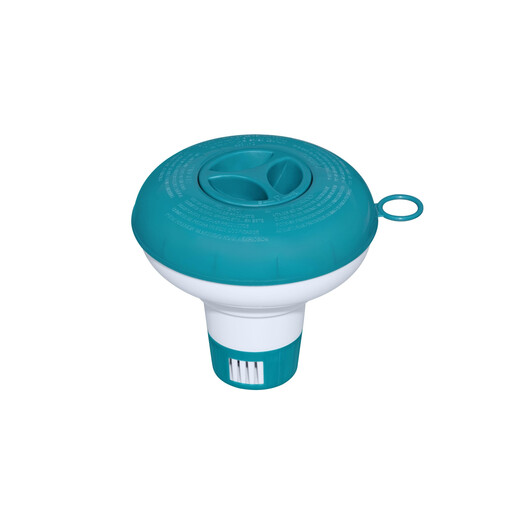
Why It's a Match: A specialised pool chemical dispenser designed for the continuous and controlled release of chlorine or bromine tablets to keep water quality stable.
This device is made of materials specifically designed for permanent contact with aggressive pool chemicals. A standard pressure sprayer would quickly suffer material damage under these conditions.
Features an adjustable dial to precisely control the chemical release rate. This ensures even disinfection of the pool water.
We have compiled a complete, up-to-date list of products that fully meet these strict selection criteria and rigorous safety standards.
Completely empty the container after each use. Then, fill it with clear water and operate the spray mechanism until only clean water comes out of the nozzle. This prevents residue from drying and helps avoid clogs. For stubborn deposits or after using chemicals, follow the manufacturer's cleaning instructions.
The required pressure depends on the intended use:
No. It is essential to check the device's material compatibility. Most standard pressure sprayers are designed only for pH-neutral, water-based liquids. For solvent-based cleaners, oils, acids, or alkalis, you need a model with explicitly designed, chemical-resistant seals (e.g., made of Viton) and a robust container material (e.g., HDPE). Using unsuitable liquids can damage the material and lead to dangerous leaks.