
Lieferung heute & morgen

Qualitätsgarantie

Willkommens-Angebote freischalten: KOSTENLOSE Lieferung | Bis zu 80 % RABATT | Kostenlose 30-Tage-JoyPlus-Testphase
App herunterladen
Moss on the patio tiles, stubborn dirt on the car after a long trip, or weathered garden furniture—many home and garden owners are familiar with these challenges. A pressure washer promises an efficient and fast solution to such problems. However, the market offers a vast array of models with different performance specs and accessory packages, which can make choosing the right device feel overwhelming.
This article serves as your guide. It explains the key technical features you should look for when buying and presents a selection of different models to provide you with a solid basis for an informed decision.
Before you buy a pressure washer, it's wise to define your specific needs. The following three criteria are crucial for selecting the right machine.
The cleaning power of a pressure washer is determined by two key metrics:
Different performance classes are suitable for various applications:
The choice of power source largely depends on the location of use and the flexibility you require.
A comprehensive accessory kit significantly expands the versatility of a pressure washer. Pay attention to what's included in the box to ensure you are equipped for various tasks. Important accessories include:
Based on the criteria mentioned, we have compiled a selection of models with different strengths. Many users search online for a pressure washer review to guide their choice. However, more important than generic ratings are the objective technical data and the included accessories in relation to your specific needs.
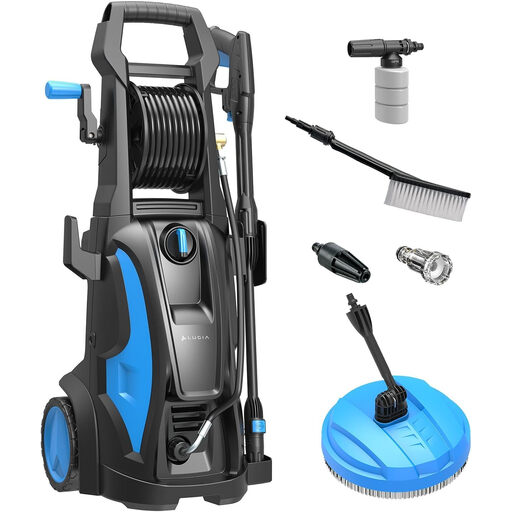
Why this model stands out: This machine combines a very high maximum pressure with a high water flow rate, making it suitable for demanding cleaning tasks. The included accessory package covers the most common applications right out of the box.
Advantages:
Who is it for? For homeowners with large paved areas, driveways, or heavily soiled walls who are looking for a powerful solution for intensive cleaning jobs.
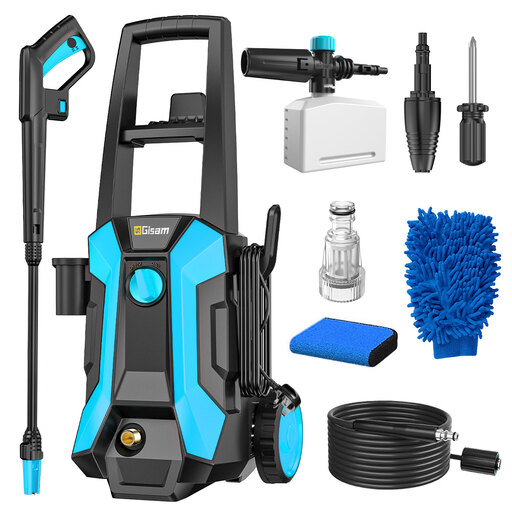
Why this model stands out: The focus here is on user convenience. The integrated hose reel and long high-pressure hose ensure tidy storage and a large operating radius without constantly repositioning the unit.
Advantages:
Who is it for? For users who value easy handling, a large working area, and neat storage. Especially practical for the regular cleaning of cars and medium-sized surfaces.
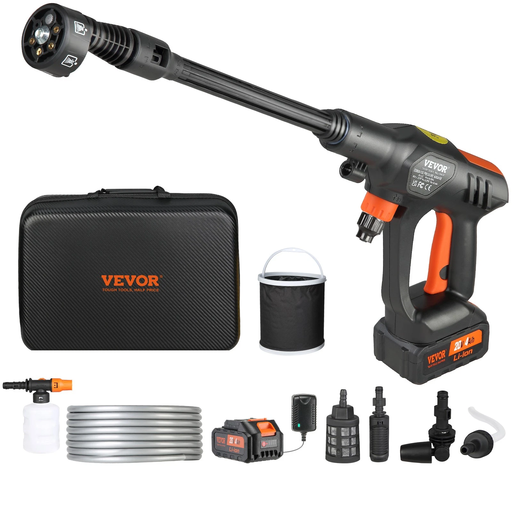
Why this model stands out: This device is a prime example of a cordless pressure washer. Its strength lies in its unrestricted mobility and low weight, making it a flexible helper for quick jobs.
Advantages:
Who is it for? Ideal for users who need a quick and straightforward solution for smaller cleaning tasks, such as rinsing off bicycles, garden tools, balcony furniture, or for watering plants in places without direct power and water access.
If the models presented here don't exactly match your requirements, or if you are specifically interested in vehicle care, you can find a wider selection in our category for cleaning equipment. There, you can filter for models with specific accessories for car cleaning.
Discover more High-Pressure Car Washers.
The recommended bar rating depends entirely on the intended application. For most standard tasks around the home and garden, such as cleaning patios, walkways, and cars, a unit with a working pressure between 110 and 150 bar is an excellent choice. For particularly stubborn dirt on non-sensitive surfaces like concrete or stone, models with over 150 bar can be beneficial.
Yes, washing a car with a pressure washer is possible and very effective, but it requires the right technique. Use a fan jet nozzle and maintain a minimum distance of about 30 cm from the paintwork. Never aim the water jet directly at tyres, rubber seals, bearings, or electrical components. For optimal results, a pre-wash with a foam nozzle is recommended to gently loosen the dirt.
Although both devices are used for cleaning, they operate on different principles. A pressure washer uses the mechanical force of water under high pressure (usually cold water) to remove dirt. A steam cleaner, on the other hand, heats water into hot steam, which is released at a lower pressure. The high temperature of the steam dissolves grease and oil and disinfects surfaces. Therefore, a pressure washer is designed for removing loose and stuck-on dirt, while a steam cleaner is better suited for sanitising or degreasing tasks.