
Lieferung heute & morgen

Qualitätsgarantie

Willkommens-Angebote freischalten: KOSTENLOSE Lieferung | Bis zu 80 % RABATT | Kostenlose 30-Tage-JoyPlus-Testphase
App herunterladen
By: Joybuy Product Recommendation OfficerDate: August 30, 2026
A pressure washer promises quick and effortless cleaning for your patio, car, and garden furniture. But the market is flooded with devices whose marketing promises often shine brighter than the cleaned surfaces. Many buyers soon discover that their new device can't handle the job or has unexpected weaknesses.
Before you make a decision, it's important to know the typical pitfalls that lead to disappointment. Instead of being guided by marketing buzzwords, a look at the facts will help you find a durable and suitable device.
Common Pitfalls When Buying a Pressure Washer:
To avoid a bad purchase, you should focus on three crucial technical features. These determine the actual performance and longevity of your pressure washer.
The true cleaning power of a pressure washer comes from the interplay of pressure and flow rate.
Rule of thumb: For general tasks around the house and garden (patio, walkways, car), a combination of 120–150 bar and a flow rate of at least 400 L/h is a solid starting point.
The pump generates the high water pressure and is the most heavily stressed component. The material here is a clear indicator of quality.
The choice of power source depends directly on your location of use and your need for flexibility.
Instead of simulating a generic pressure washer test, we have selected models that cater to specific user profiles and purposefully avoid the pitfalls mentioned earlier.
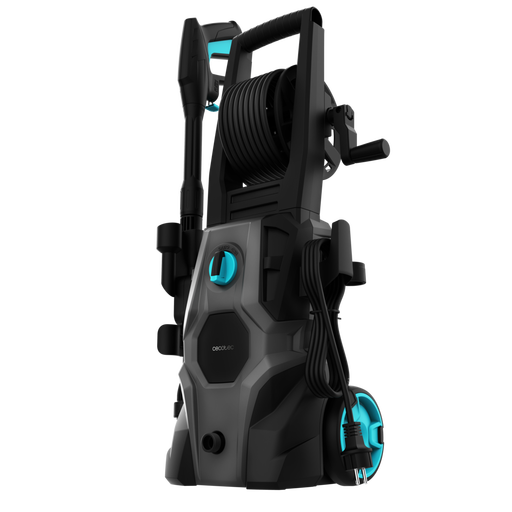
Why it's a great fit: Ideal for homeowners looking for a versatile unit for various tasks, from car washing to patio cleaning, without needing to buy multiple specialized devices.
The unit combines a solid pressure of 150 bar with a flow rate of 450 L/h, avoiding the "bar-only" trap. The aluminum pump promises greater durability than plastic versions. The accessories are tailored for car and garden use.
Balanced performance and a robust aluminum pump. The large 14-meter operating radius (according to the manufacturer) ensures comfortable work without constantly changing outlets.
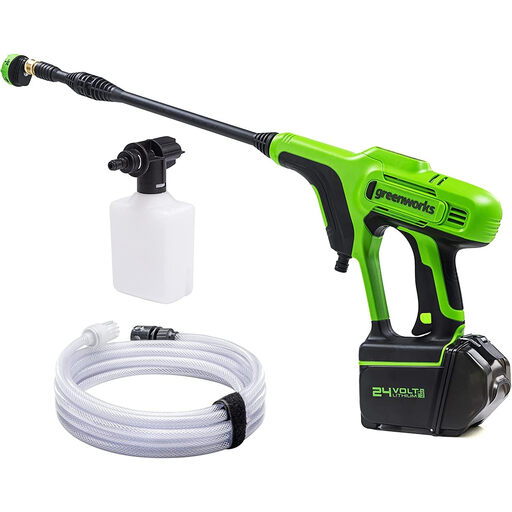
Why it's a great fit: Perfect for users who need independence from power and water connections. Ideal for cleaning mountain bikes after a ride, for balconies in rental apartments, or for RV owners.
As a cordless pressure washer, the expectation for its pressure (here, 24 bar) is different. It's not designed for deep-seated dirt on concrete but for mobile, lighter cleaning tasks. Its strength is flexibility, not raw power.
Operates without a mains connection and can draw water from any clean source (bucket, lake, rain barrel). The 5-in-1 nozzle allows for quick adjustment of the spray jet for different tasks.
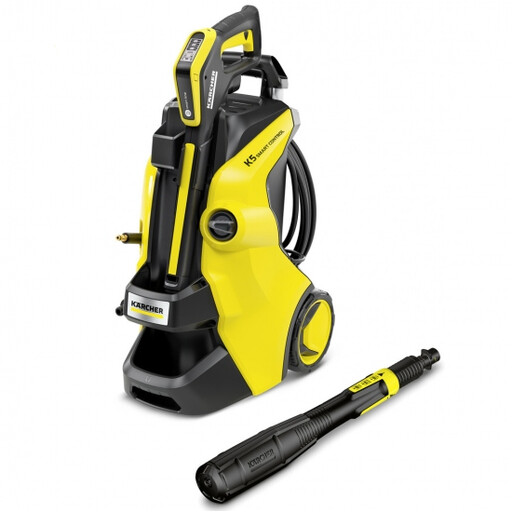
Why it's a great fit: For home and garden owners with large areas who regularly need high and reliable cleaning performance for patios, facades, and vehicles.
This model from K?rcher features an aluminum pump and a water-cooled motor for a long service life. The performance is very well-balanced with 145 bar and 500 L/h. The Smart Control function helps to precisely adapt the pressure to the surface and prevent damage.
High cleaning performance and durability. The Bluetooth connectivity with app support offers application tips and allows for precise pressure adjustment directly on the gun.
We have compiled a complete, up-to-date list of products that fully meet these strict selection criteria and safety standards.
It depends on the intended use. Here are some guidelines:
In principle, yes, but with limitations. Using a standard turbo nozzle on delicate wood or soft stone surfaces can cause irreparable damage. For effective and gentle cleaning of patios, a special patio cleaner attachment (also called a surface cleaner) is recommended. This distributes the pressure evenly and prevents splashing on house walls. Many devices, like the K?rcher K 3 Power Control Home, already include such an attachment in the set.
Frost is the biggest enemy of a pressure washer. Freezing water inside can burst the pump and hoses. To winterise it correctly, you must completely drain the unit: