
Lieferung heute & morgen

Qualitätsgarantie

Willkommens-Angebote freischalten: KOSTENLOSE Lieferung | Bis zu 80 % RABATT | Kostenlose 30-Tage-JoyPlus-Testphase
App herunterladen
A pressure washer promises a fast, effortless solution for stubborn dirt on patios, fa?ades, or vehicles. However, the market is flooded with devices whose performance specifications often confuse more than they inform. A hasty decision frequently leads to a machine that can't handle the job or loses functionality after a short time.
Choosing the right model doesn't have to be complex. It's about understanding the key technical features and avoiding common marketing traps. This guide focuses on the facts that truly matter for an informed purchasing decision.
Before we dive into the technical details, it's important to be aware of three common issues that often lead to dissatisfaction:
To avoid a poor investment, you should focus on three essential technical features. These determine the effectiveness, durability, and range of applications for your future device.
The actual cleaning power, often referred to as "cleaning impact," is a result of the interplay between working pressure and water flow rate.
A balanced ratio is crucial. High pressure with a low flow rate acts like a fine, sharp jet that only cleans a small spot. High flow rate with low pressure will rinse, but it will barely dislodge stuck-on dirt.
The choice of power source depends directly on your location and planned tasks.
The internal components determine the reliability and lifespan of a pressure washer.
Based on the criteria mentioned, we have identified a few models that represent a suitable solution for specific user profiles.
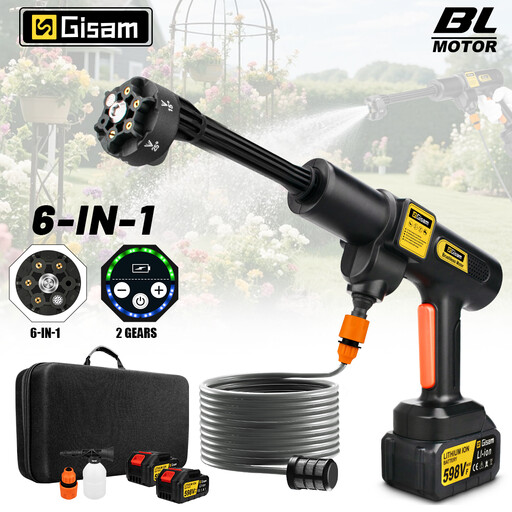
Why this model is a good fit: Ideal for users who need independence from power outlets and water connections. Perfect for quickly cleaning the car, bicycles, or garden furniture, even in remote locations. The ability to draw water from a bucket or river maximises flexibility.
This device doesn't promise exaggerated performance. The pressure is realistic and adjustable for mobile applications, which prevents damage to delicate surfaces like car paint.
Advantage: Maximum portability thanks to battery operation and self-priming function. Features: 6-in-1 multi-function nozzle, two included batteries for extended runtime.
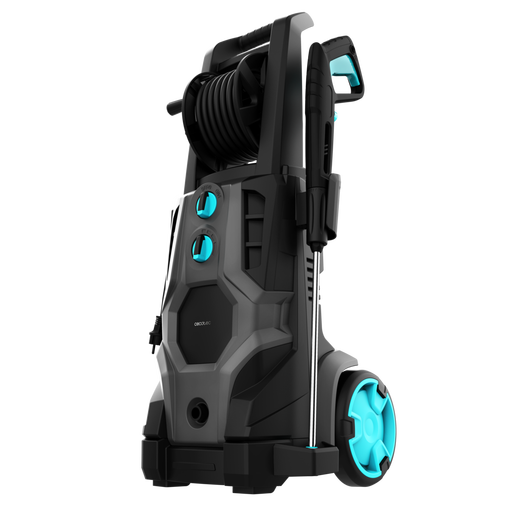
Why this model is a good fit: For homeowners with large areas and stubborn dirt. The combination of very high pressure and a high flow rate enables efficient cleaning of driveways, walls, and large patios.
This model relies on a durable aluminium pump instead of cheap plastic. This ensures greater reliability and a longer lifespan, even with intensive use.
Advantage: High cleaning performance with 225 bar pressure and a 540 L/h flow rate. Features: 3200-watt motor, aluminium pump, large 14-metre operating radius.
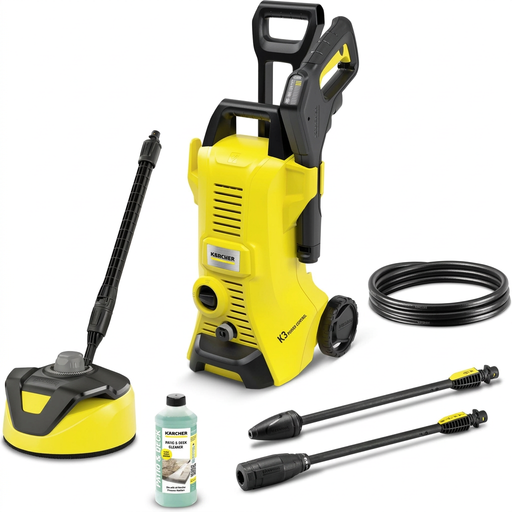
Why this model is a good fit: A well-balanced package for typical cleaning tasks. It offers enough power for most applications and comes with a practical patio cleaner that enables splash-free operation.
This set avoids the pitfall of inadequate accessories. The included T 5 surface cleaner is a functional accessory that directly increases the device's utility for one of the most common tasks—patio cleaning.
Advantage: Ready-to-use kit for home and patio. Features: 120 bar working pressure, Power Control gun for pressure regulation, includes T 5 surface cleaner.
We have compiled a complete, up-to-date list of products that fully meet these strict selection criteria and UK safety regulations.
The required pressure depends on the application. For most household tasks, a device with a working pressure between 110 and 130 bar is an excellent choice. Lighter tasks like cleaning garden furniture or bicycles often don't require more than 100 bar. For heavily soiled, non-sensitive surfaces like concrete or paving stones, 140 bar or more can be useful.
No, not every model is suitable for this. You need a pressure washer with a self-priming pump. This feature allows the device to draw water from a static source like a rain barrel or a bucket. It is also essential to use a suction hose with a filter to prevent dirt particles from entering and damaging the pump.
Frost is the biggest enemy of a pressure washer. To prevent damage, the device must be completely drained. To do this, let all the water out of the unit, the hose, and the gun. Then, store the pressure washer in a frost-free location, such as a basement or garage. Some manufacturers also offer special antifreeze that can be filled into the device to prevent any residual water from freezing.