
Lieferung heute & morgen

Qualitätsgarantie

Willkommens-Angebote freischalten: KOSTENLOSE Lieferung | Bis zu 80 % RABATT | Kostenlose 30-Tage-JoyPlus-Testphase
App herunterladen
A pressure washer promises quick and effortless cleaning for your patio, car, and garden furniture. But the market is crowded and confusing, and not every machine lives up to its advertising. Before you buy a pressure washer, it's crucial to interpret the technical specifications correctly and sidestep common marketing traps. Many buyers focus on single, prominently advertised figures, overlooking key design features that determine the device's longevity and effectiveness.
This guide will help you separate the wheat from the chaff. We'll highlight the three most common pitfalls that often lead to disappointment and unnecessary expense, and explain which parameters truly matter when making your choice.
To make an informed decision, you shouldn't be guided by marketing claims alone. The following three technical aspects are crucial for the performance and lifespan of a pressure washer.
The cleaning power of a pressure washer is a result of the combination of two values:
A machine with 130 bar but only 360 L/h will clean large patio areas much more slowly than a model with 120 bar and 450 L/h. For most applications around the home and garden, a balanced ratio is essential. A solid guideline for versatile home use is around 120–145 bar and a flow rate of at least 400 L/h.
The pump is the most heavily stressed component. Here, the material determines its durability. While entry-level models are often equipped with pumps made of plastic or composite materials, higher-end models rely on an aluminium pump or even a pump with a brass head. These materials are more resistant to pressure and temperature fluctuations and offer a significantly longer service life.
Motors are distinguished between air-cooled and water-cooled variants. Water-cooled motors, often found in more powerful models (e.g., in some K?rcher pressure washers), dissipate operating heat more efficiently. This allows for longer, uninterrupted work sessions and reduces wear on the motor.
Instead of being dazzled by the sheer number of accessories, check which attachments are genuinely useful for your specific tasks.
Here are some recommendations tailored to different needs and applications.
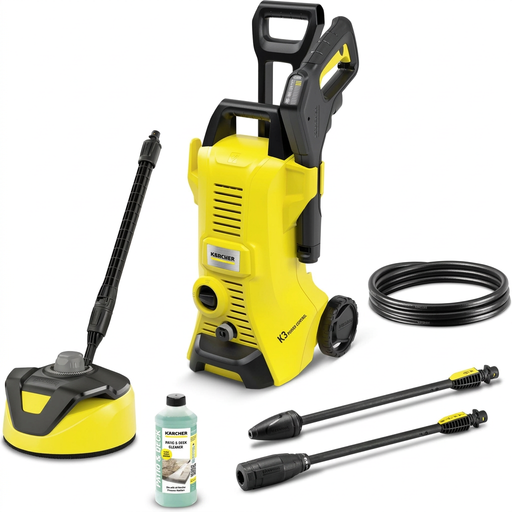
Why this model is a good fit: Ideal for homeowners who need a reliable machine for occasional cleaning tasks like washing garden furniture, small patios, or bicycles. The app support provides practical tips and helps you find the right pressure for any surface.
With 120 bar and 380 L/h, the device offers a balanced ratio of pressure and flow rate, thus avoiding the "Pressure Trap." The included Home Kit with the T 5 patio cleaner is a useful, high-quality accessory, not a superfluous add-on.
Power Control gun with pressure level display; app integration with application consultant; telescopic handle for compact storage.
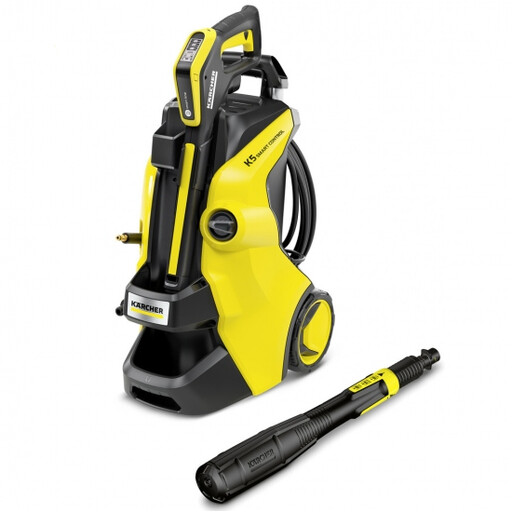
Why this model is a good fit: Perfect for users who regularly clean large surfaces, heavily soiled facades, or multiple vehicles. Its high performance and durable motor are designed for frequent and intensive use.
According to the manufacturer, this model features a durable aluminium pump and a water-cooled induction motor. This allows it to bypass the "Pump Problem" of cheaper devices and ensures it is designed for a long service life.
High performance (145 bar, 500 L/h); Boost mode for extra power; Bluetooth connectivity for app control; 3-in-1 Multi Jet spray lance.
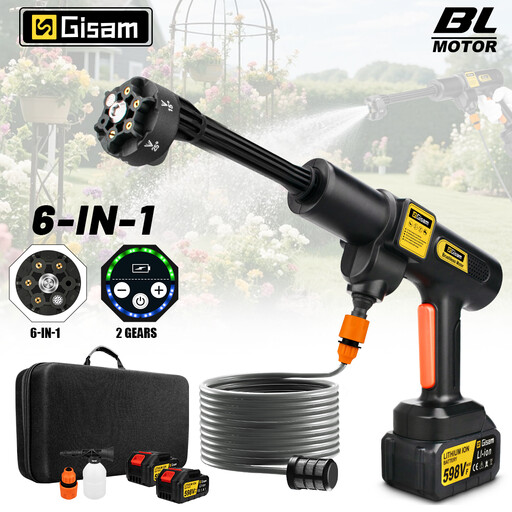
Why this model is a good fit: The perfect solution for anyone without direct access to a power or water connection. Ideal for cleaning balconies in rental apartments, for RVs, boats, or for a quick mountain bike clean-up right after a ride.
This cordless pressure washer focuses on mobility rather than misleading pressure specs. The inclusion of two batteries directly addresses the biggest weakness of many cordless tools—short runtime—thus offering a real practical benefit.
Completely cordless operation; self-priming function from buckets or lakes; two batteries included for extended use; 6-in-1 multifunction nozzle.
We have compiled a complete, up-to-date list of products that fully meet these strict selection criteria and German safety regulations.
Yes, many modern pressure washers, especially cordless models, are self-priming. This means they can draw water from alternative sources like a rain barrel, a bucket, or a lake. To do this, you'll need a special suction hose with a filter on the end to prevent debris from entering and damaging the pump. Before buying, check the product description for the term "self-priming."
Improper winter storage is one of the most common causes of defects. Frost can freeze residual water in the pump and hoses, leading to cracks. To prevent this, you must completely drain the unit:
Caution is advised when washing a car. Pressure that is too high or a distance that is too short can damage the paint. A pressure below 130 bar is considered a safe guideline. Always use a fan jet nozzle instead of a rotary nozzle and maintain a distance of at least 30 cm from the surface. For an especially gentle clean, a pre-wash with a foam nozzle is recommended to loosen the dirt beforehand.