
Lieferung heute & morgen

Qualitätsgarantie

Willkommens-Angebote freischalten: KOSTENLOSE Lieferung | Bis zu 80 % RABATT | Kostenlose 30-Tage-JoyPlus-Testphase
App herunterladen
A pressure washer can make cleaning patios, vehicles, and garden furniture significantly easier. But the market is flooded with devices whose performance claims are often more marketing than reality. The wrong model not only leads to unsatisfactory results but also to unnecessary expenses. As your Joybuy Product Recommendation Officer, I'll help you identify the crucial features and make an informed choice.
Before we dive into the technical specifications, it's important to understand the most common marketing traps that often lead to a bad buy.
Many manufacturers advertise an impressively high maximum pressure (e.g., 180 bar or more). However, this value is often only achieved for a brief moment under ideal conditions and is not the pressure at which the device operates continuously. The key to cleaning performance is the working pressure, which indicates the constant pressure during operation. A device advertised with 180 bar might, in practice, have a working pressure of only 130 bar, which can be insufficient for stubborn dirt on concrete surfaces.
An extensive accessory package sounds tempting, but the quality is often subpar. Cheap plastic nozzles, flimsy surface cleaners, or brushes that become useless after just a few uses are not uncommon. Instead of being dazzled by quantity, it's wiser to focus on the quality and specific suitability of the accessories for your intended tasks, such as a sturdy patio cleaner or a special nozzle for car washing.
The pump is the heart of any pressure washer. In more affordable models, pumps are often made of plastic or composite materials. These are more susceptible to wear and overheating, which drastically shortens the device's lifespan. For long-term, reliable use, models with an aluminium pump or even a brass pump are the far more durable choice.
To find a suitable pressure washer, you should focus on two core parameters that determine its actual performance.
As mentioned, the working pressure in bar is the crucial metric for dislodging dirt. For light tasks like cleaning bicycles or garden furniture, 100 to 120 bar is often sufficient. However, for cleaning patios, driveways, or removing moss, a working pressure of 120 to 140 bar is recommended.
At least as important is the water flow rate, measured in litres per hour (L/h). It determines how quickly the loosened dirt is washed away. High pressure with a low flow rate is like a sharp knife with no force behind it—the dirt is loosened but not efficiently removed. A good balance is crucial:
When you buy a pressure washer, pay attention to the pump's specifications. An aluminium pump offers significantly higher durability and better heat dissipation than plastic versions. There are also differences in motors. Water-cooled induction motors, often found in higher-end devices (e.g., from K?rcher), are designed for longer operating times and have a longer lifespan than air-cooled universal motors.
Based on these objective criteria, we have selected a few models for different user profiles.
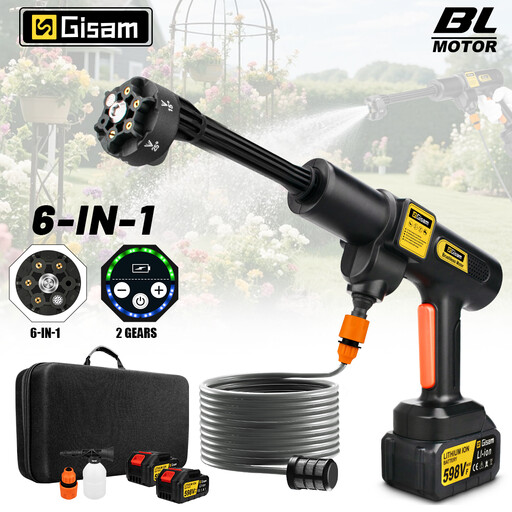
Why this model fits: Ideal for users who need to clean in places without a direct power or water connection, like at an allotment garden, while camping, or for a quick car wash on the go. The water can be drawn from a bucket or a lake.
This cordless pressure washer doesn't promise unrealistic performance. Its value lies in portability and flexibility, not extreme pressure. It thus avoids the trap of exaggerated "maximum pressure".
Comes with two batteries for extended runtime and a 6-in-1 multi-function nozzle that allows for different spray patterns without changing tips.
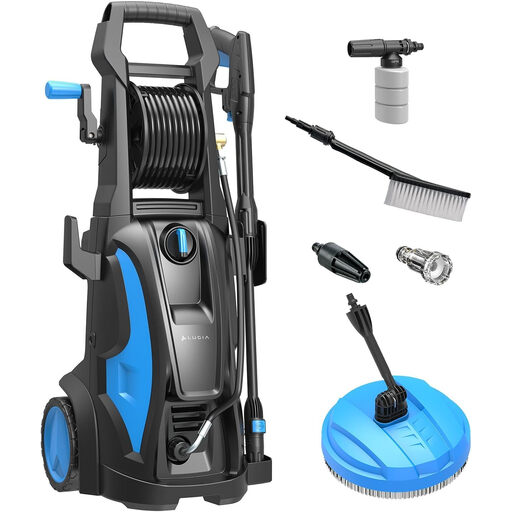
Why this model fits: A solid package for homeowners looking for a versatile device for typical tasks like cleaning the car, patio, and driveway without spending a fortune. The high flow rate of 550 L/h speeds up work on large surfaces.
This model debunks the myth of useless accessories by including a functional patio cleaner, a rotating brush, and a turbo nozzle that offer real value for common cleaning tasks.
Comprehensive, ready-to-use accessory kit included. The high water flow rate of 550 L/h enables rapid cleaning of large areas.
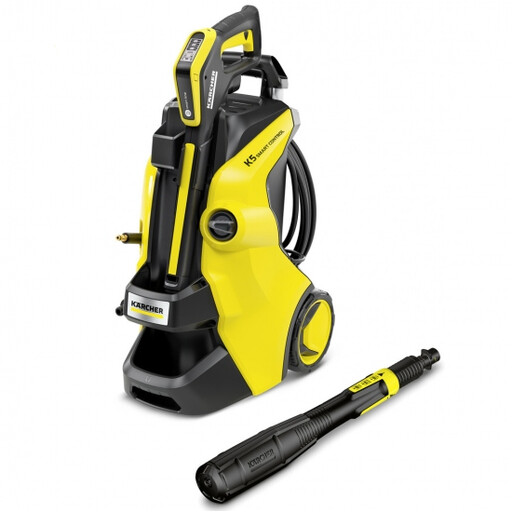
Why this model fits: For users who value durability, controlled performance, and proven brand technology. Ideal for regular, intensive cleaning jobs around the house, yard, and on vehicles.
This model directly counters the pitfall of inferior materials. It features a durable aluminium pump and a water-cooled induction motor, which are designed for high reliability and a long service life.
The pressure can be adjusted directly on the spray gun and monitored via an app. The boost mode provides extra power for stubborn dirt.
We have compiled a complete, up-to-date list of products that fully meet these strict selection criteria and relevant safety standards.
Generally, yes, but with caution. Excessively high pressure can damage the paintwork. Use a model with adjustable pressure or a special fan nozzle that spreads the spray. A pressure washer for cars should ideally be paired with a foam nozzle for the pre-wash to gently loosen dirt.
A cordless pressure washer offers maximum flexibility and portability, as it operates without a power cord. However, its power and runtime are limited, making it more suitable for lighter cleaning tasks. Corded models provide consistently high performance and are the top choice for intensive and large-scale cleaning jobs, such as on patios or building facades.
The flow rate (L/h) is just as important as the pressure (bar). While pressure dislodges the dirt, the flow rate is responsible for washing it away. A higher flow rate means you can clean an area faster. For large surfaces like driveways, a device with a flow rate over 450 L/h is significantly more efficient.