
Lieferung heute & morgen

Qualitätsgarantie

Willkommens-Angebote freischalten: KOSTENLOSE Lieferung | Bis zu 80 % RABATT | Kostenlose 30-Tage-JoyPlus-Testphase
App herunterladen
By: Joybuy Product Recommendation Officer
Green algae on the patio slabs, stubborn dirt on the garden fence, or a thick layer of dust on the car—many homeowners and garden enthusiasts are familiar with these challenges. A pressure washer promises a quick and thorough solution. However, the market is filled with models that vary significantly in pressure, water flow rate, and features. This guide is designed to help you understand the technical specifications and find a device that suits your specific cleaning needs. We will introduce a selection of models and provide practical tips to inform your decision.
Choosing the right device depends on its intended applications. Three criteria are particularly important: performance, features, and power source.
The cleaning performance of a pressure washer is determined by two values: the pressure, measured in bar, and the water flow rate, measured in litres per hour (l/h).
The included accessories and features determine a device's versatility.
Most devices for home use are electric pressure washers. They are powered via a mains cable and offer consistent performance for extended use. For smaller tasks or in places without a direct power outlet, a cordless model can be a flexible alternative. These are usually more compact but typically offer lower pressure.
Here you will find a selection of devices designed for different needs in the realm of pressure washers for home and garden.
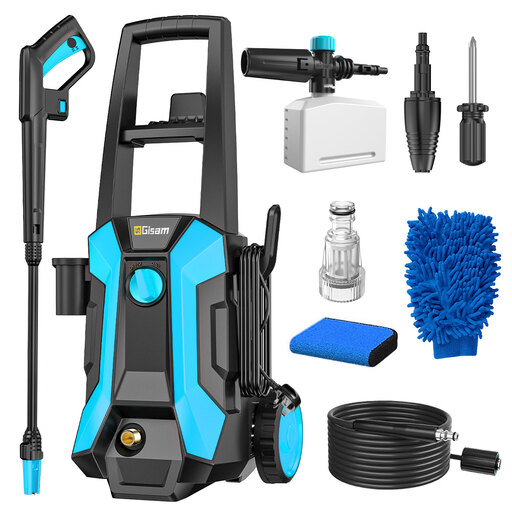
Why It Stands Out: This model combines high performance with a thoughtful set of features, making it a versatile solution for demanding cleaning jobs around the house.
Benefits:
Who It's For: Homeowners and garden enthusiasts looking for a high-performance, all-round solution for regular and intensive cleaning tasks who also value convenient handling.
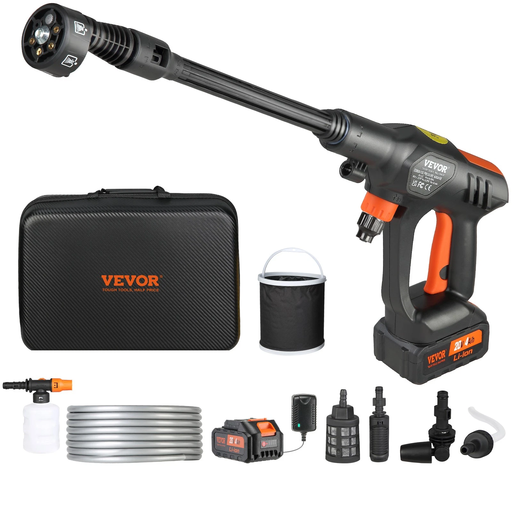
Why It Stands Out: This cordless device offers maximum flexibility for cleaning and watering tasks in locations without a power or water hookup.
Benefits:
Who It's For: Users who need a quick and straightforward solution for smaller cleaning jobs, watering plants, or mobile cleaning of bikes and garden furniture.
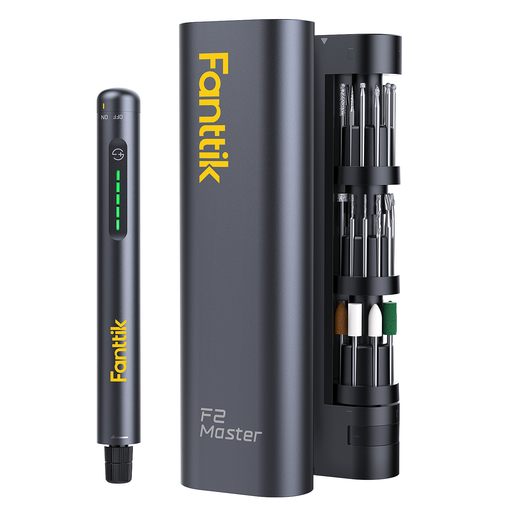
Why It Stands Out: This tool is not a pressure washer but a smart addition for anyone who, beyond heavy-duty cleaning, also engages in precise detail work.
Benefits:
Who It's For: DIY enthusiasts, model makers, and car lovers who want to perform fine-tuning tasks after the initial deep clean with a pressure washer, such as polishing chrome parts, removing rust from small spots, or engraving workpieces.
The selection presented here covers common use cases but represents only a small fraction of the available options. If you are looking for other options or specialised equipment, you will find a wider range of models in our assortment.
Discover more cleaning tools in our Car Washers category and find the right device for your projects.
For most applications around the home and garden, a pressure between 120 and 180 bar is sufficient. Models in this range offer a good compromise between performance and surface protection. For light dirt, 120 bar is often enough, while for heavily moss-covered paving or stubborn dirt on facades, a pressure of 150 to 180 bar can be advantageous.
Yes, washing a car with a pressure washer is very effective. However, it is important to keep a few points in mind. Maintain a sufficient distance (at least 30 cm) from the paintwork to avoid damage. Use a fan jet nozzle instead of a rotary nozzle, as it distributes the pressure more gently. A foam nozzle can help apply detergent evenly and loosen the dirt before rinsing. Sensitive parts such as tyres, seals, and sensors should only be cleaned with low pressure or from a greater distance.
The maximum pressure is the highest pressure the device can briefly achieve when the pump is switched on. The working pressure is the constant pressure at which the device operates continuously. The working pressure is the more relevant figure for assessing the actual cleaning performance, as it describes the force available throughout the entire application.