
Lieferung heute & morgen

Qualitätsgarantie

Willkommens-Angebote freischalten: KOSTENLOSE Lieferung | Bis zu 80 % RABATT | Kostenlose 30-Tage-JoyPlus-Testphase
App herunterladen
A pressure washer promises quick and effortless cleaning for your patio, car, and home exterior. But the market is crowded and full of marketing promises that often obscure more than they clarify. If you don't look closely when buying a pressure washer, you can easily invest in a unit that loses power after a short time or is unsuitable for its intended purpose. As your Joybuy Product Recommendation Officer, I'm here to help you identify the common pitfalls and make an informed decision.
Many models boast impressive numbers and extensive accessory kits. However, this is precisely where costly mistakes can hide, severely impacting your machine's longevity and effectiveness.
To avoid a bad purchase, you should focus on the technical specifications that truly determine performance and durability.
The true cleaning power of a pressure washer comes from the interplay between pressure and water flow rate.
The pump is the most heavily stressed component. Its material is a direct indicator of the device's expected lifespan.
The choice of power source depends directly on your primary use case.
Based on the criteria above, we have selected a few models for typical user profiles.
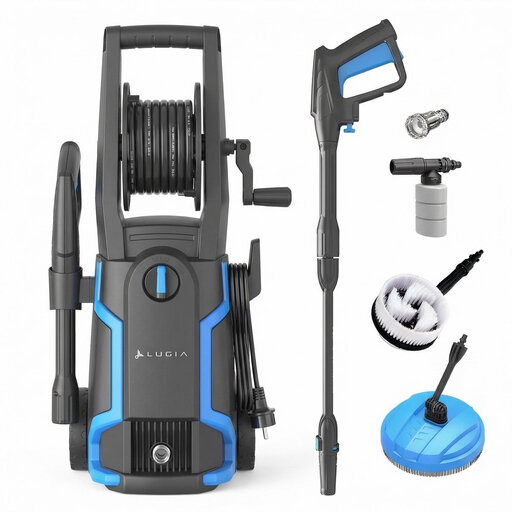
Why This Fits Their Persona: Ideal for homeowners who need a reliable machine for occasional cleaning tasks like garden furniture, small patios, or bicycles, without a large budget.
This model avoids the plastic pump trap by using an aluminium pump housing. This ensures greater durability compared to many other devices in this price range.
Excellent value for money with 135 bar of working pressure and a solid flow rate of 430 l/h. The included accessories, including a patio cleaner and turbo nozzle, are designed for the most common tasks.
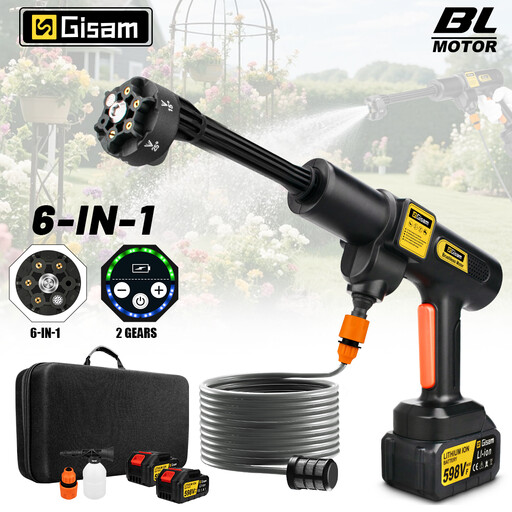
Why This Fits Their Persona: Perfect for car enthusiasts, campers, or garden owners who require maximum mobility. Ideal for quickly cleaning the car, motorhomes, or in places without direct power and water connections.
This device bypasses the "maximum pressure" myth by focusing on its core strength: mobility. The pressure is optimised for mobile applications and can even be regulated to protect sensitive surfaces.
Complete independence from power and water lines thanks to battery operation and a suction function that can draw from buckets or lakes. Two included batteries ensure a longer runtime. The 6-in-1 nozzle offers flexibility without constant accessory changes.
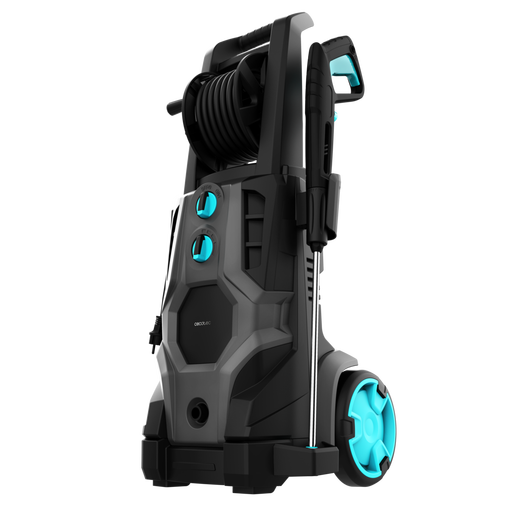
Why This Fits Their Persona: For users with high standards who regularly clean large areas like driveways, facades, or pool surrounds and need a powerful, durable machine for intensive use.
This model relies on a durable aluminium pump (called "HardPump" by the manufacturer) and a brushless motor, which directly addresses the two biggest weaknesses of cheaper units: pump and motor wear.
High power reserves with 3200 W and a flow rate of up to 540 l/h for rapid work progress. The large 14-metre operating radius provides convenience when cleaning large areas.
We have compiled a complete, up-to-date list of products that fully meet these strict selection criteria and all applicable safety standards.
The water flow rate is just as important as the pressure. While pressure dislodges the dirt, the flow rate is responsible for efficiently washing it away. A higher flow rate (e.g., over 450 l/h) leads to a faster cleaning result, especially on large surfaces like a patio or driveway.
Generally, yes, but with caution. When cleaning a car, it's important to maintain a safe distance and reduce the pressure to avoid damaging the paintwork. Devices with adjustable pressure or special car wash nozzles are ideal. A pressure washer for cars benefits greatly from a foam cannon (foam lance) to gently pre-soak the dirt. Avoid using rotor nozzles (dirt blasters) on your car's paint.
To prevent frost damage to the pump and hoses, it is essential to completely drain the unit before the first frost. To do this, let all the water out of the machine, the hose, and the gun. It's best to run the pump for a few seconds after disconnecting the water supply until no more water comes out. Then, store the pressure washer in a frost-free place like a basement or garage.