Budget-conscious bulk buyers
You want to have snacks ready for several school breaks and can portion a larger pack at home. It’s also worth considering how to store the contents once the pack has been opened.


A larger pack of salted pretzels can be a good choice for several school breaks if you can portion them yourself and store them somewhere dry once opened. Smaller lunchbox packs are easier to take with you, but choosing wholegrain or high-fibre snacks doesn’t mean you can ignore fat, salt and ingredients. If you need to avoid particular ingredients, always check the label on the specific pack.
You want to have snacks ready for several school breaks and can portion a larger pack at home. It’s also worth considering how to store the contents once the pack has been opened.
You’re after a handy format and want to check the wholegrain content and fibre on the pack. Fat and salt figures should also factor into your choice.
If you’re shopping for a child with an allergy or another strict ingredient requirement, check the ingredients list, highlighted allergens and precautionary allergen information on the specific pack before buying.
First decide whether you can portion snacks at home or need smaller packs for a school bag. Then check the nutrition information and ingredients against your family’s needs.
| Criterion | What to check | Who it matters to |
|---|---|---|
| Bulk packs and portioning | Check the pack size and storage instructions for after opening. | For several school breaks, I want to divide a pack into portions at home without leaving the contents exposed. Around 42 % of consumers put this need for a larger pack first. |
| Handy wholegrain format | Compare the pack size and the fibre, fat and salt per 100 g. | For snacks on the go, I’m looking for a small format and don’t want to mistake wholegrain for a complete nutritional assessment. Around 33 % of consumers prioritise this combination. |
| Ingredient requirements | Read the ingredients list, highlighted allergens and precautionary allergen information on the pack. | If I’m shopping for a child with an allergy, checking the ingredients must come before choosing a format. This is a priority for around 25 % of consumers. |
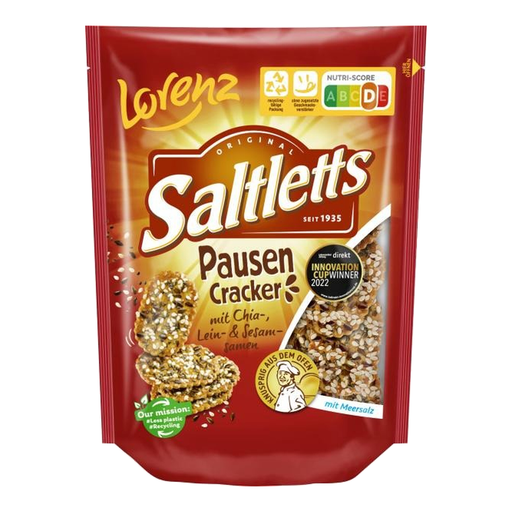
According to Lorenz Snack-World, Saltletts PausenCracker contain 9,0 g of fibre, but also 21 g of fat and 2,3 g of salt per 100 g. One nutrient figure on its own doesn’t tell you everything about a product’s nutritional content.
Check fibre, fat and salt together, and consider the size of the portion you plan to pack.
Even pretzels labelled gluten-free may contain other allergenic ingredients. For example, Schär Salinis list soya lecithin and also carry a warning that they may contain traces of sesame.
Check the ingredients list and precautionary allergen information on the specific pack every time you buy.
ALDI SÜD notes that SUNSNACKS salted pretzels may come from different suppliers, so nutritional information can vary. Lorenz also says that PausenCracker packs with different labelling may be available in shops.
Use the pack you’re actually buying as your guide to ingredients and nutritional information.
Lorenz Snack-World sells Saltletts PausenCracker as a wholegrain snack in 100-g bags and 40-g on-the-go packs.
EDEKA’s own-brand salted pretzels are listed by EDEKA24 in a 250-g pack.
ALDI SÜD stocks SUNSNACKS sea-salt pretzels in a 250-g pack.
This selection includes larger packs of salted pretzels as well as smaller spelt, wholegrain and lunchbox snacks. To find the right option for your school routine, start by comparing the format and ingredients. Then use the nutritional information on the specific pack to narrow down your choice.
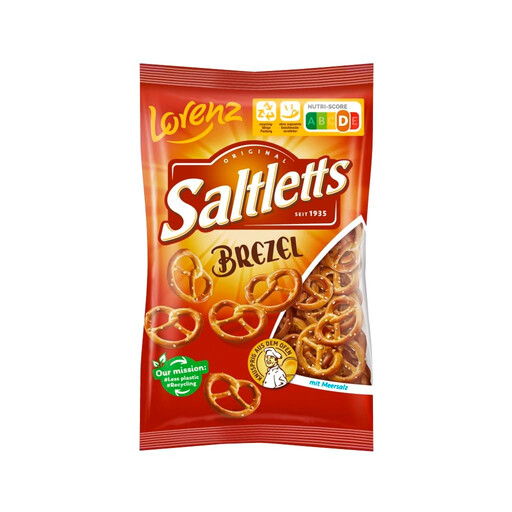 No image available
The 200-g bag could be a good choice if you want to portion salted pretzels yourself for several school breaks. Check the pack for storage instructions after opening, as well as the ingredients and nutritional information.
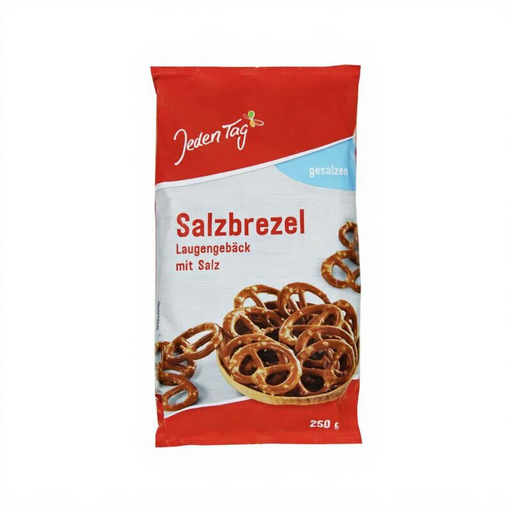 No image available
The 250-g pack is an option if you want to prepare portions yourself for regular school breaks. Before buying, check the ingredients, nutritional information and storage instructions on the pack.
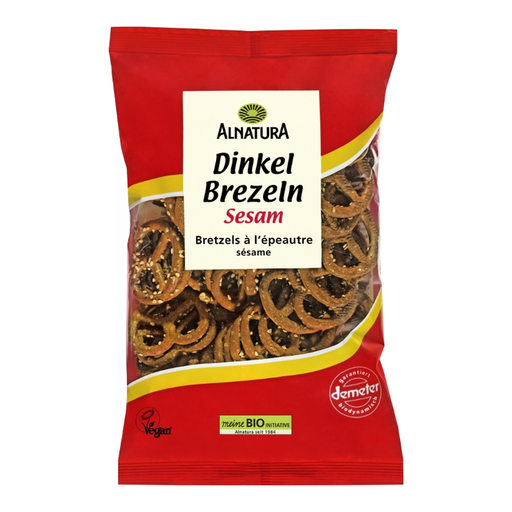 No image available
If you’re looking for spelt pretzels with sesame in a 125-g pack rather than classic salted pretzels, this option is worth a look. If you have specific ingredient requirements, pay particular attention to the spelt and sesame labelling on the pack you buy.
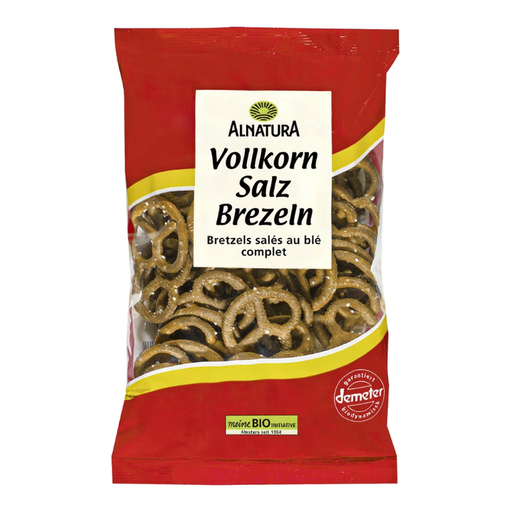 No image available
The 125-g pack is a handy option if you’re looking for a smaller wholegrain pretzel snack. Compare fibre, fat and salt using the nutritional information per 100 g, rather than assuming the word “wholegrain” tells you everything about its nutritional content.
 No image available
The 100-g bag is a smaller alternative to the larger packs featured here. Think about how much you want to pack for one break, and check the ingredients and nutritional information on the pack.
Not necessarily. If you need gluten-free products, look for an explicit gluten-free label and check the other ingredients and precautionary allergen information. According to the product information, Schär Salinis are sold as gluten-free, contain soya lecithin and may contain traces of sesame.
Ingredients classed as allergens under EU rules are highlighted in the ingredients list. The German Food Federation also explains that precautionary allergen information indicates the possible unintended presence of an allergen. So check both on the pack you buy.
Follow the storage instructions on the specific pack and keep opened pretzels away from moisture. According to the German Food Federation, the best-before date is a quality date, not an automatic throw-away date. Bear in mind that storage instructions for unopened products don’t necessarily apply once the pack has been opened.
Salted pretzels alone don’t automatically make a complete school snack. The consumer advice centre includes salty products such as pretzel sticks among snack foods and points out that children’s diets depend on the choice, quantity and distribution of foods throughout the day.