If you’re looking for a pretzel with a lower declared fat content for Italian Night, compare the fat and salt per 100 g of the specific products rather than relying on names and packaging alone. Plain pretzels, butter pretzels, bake-at-home options and dry salted pretzels also differ in how you serve them and which ingredients you need to check for your guests. A lower fat value in a product comparison doesn’t automatically mean the pretzel is labelled as “reduced fat”.
Who should pay attention to the choice?
Guests keeping an eye on fat
You want to serve pretzels alongside dips or antipasti, so you’re comparing the declared fat content per 100 g. The figures published for individual plain and butter-coated pretzels by Ditsch show why it’s important to check the exact variety.
Hosts keeping an eye on salt
If you’re also serving cheese, olives or other salty foods, you’ll want to take the salt content of the pretzels into account. Check the figures per 100 g and, for bake-at-home products, see whether salt is supplied separately.
Planning an easy snack platter
Decide whether to put pretzel snacks straight on the table or whether you have time and an oven for warm bake-at-home pretzels. If your guests have specific ingredient requirements, checking the exact packaging is part of the planning too.
What should you look for when buying?
First decide whether you want warm pretzels or salted snacks that are ready to serve. Then compare fat and salt per 100 g within the product type you’ve chosen, and check the ingredients for your guests.
| Criterion |
What to check when buying |
Who it matters to |
| Fat content |
Compare fat per 100 g for the type of pretzel you want; only associate a claim such as “reduced fat” with a specific product if it appears on that product. |
If you’re looking for a pretzel with a lower declared fat value to serve with dips, don’t choose based on the product name alone. For around 46% of consumers, fat comparison is the main priority. |
| Salt |
Check salt per 100 g and, for bake-at-home products, look for a separate sachet of salt. |
If cheese, olives or salty dips are already on the table, I want to choose pretzels to go with them. Salt content is the priority for around 36% of consumers. |
| Serving style |
Choose between ready-to-eat bagged snacks and bake-at-home pretzels; for bake-at-home products, check the instructions and equipment required. |
If you want to serve the snacks without any preparation, bagged products are handy; for warm pretzels, I’ll allow time for baking. Around 18% of consumers focus mainly on this choice. |
Common mistakes when choosing
-
Assuming a lower fat value means “reduced fat”
The fat values Ditsch publishes for individual plain pretzels are lower than the value for its XL butter pretzel. That comparison alone doesn’t mean a plain pretzel is labelled accordingly.
Compare the nutritional information per 100 g and check any nutrition claims on the packaging of the specific variety.
-
Focusing only on fat when putting together a snack platter
EDEKA’s GUT&GÜNSTIG salted pretzels declare 4.4 g of salt per 100 g. Other salty foods may also be served at Italian Night.
Check fat and salt together, and think about how much pretzel snack you plan to serve alongside the other foods.
-
Treating snack pretzels like bake-at-home pretzels
Bagged snacks are ready to serve. By contrast, frozen GUT&GÜNSTIG pretzels must be cooked through according to the preparation instructions; salt is supplied separately.
Choose the product type to suit your schedule, and read the instructions for bake-at-home products before planning your evening.
-
Assuming all pretzels have the same ingredients and allergens
The products considered here have different ingredients and allergen information. Details for one variety don’t automatically apply to another.
If your guests have allergies, check the ingredients list and precautionary allergen statements on the current packaging of every product you serve.
Brands to consider
Ditsch
Ditsch sells, among other products, plain pretzels and butter pretzels.
- Ditsch publishes fat and salt values per 100 g for some varieties.
- The figures for a plain pretzel don’t apply to the XL butter pretzel or other varieties.
GUT&GÜNSTIG / EDEKA
The products considered include dry salted pretzels and frozen pretzels for baking at home.
- EDEKA provides nutritional information and ingredients for these products, as well as preparation instructions for its bake-at-home pretzels.
- Check the details on the packaging you buy: bagged snacks and bake-at-home products differ in their nutritional values and how you prepare them.
REWE
REWE sells pretzel sticks and pretzels as different snack products.
- The range gives you options if you’re looking for a particular type of product.
- For a fat or salt comparison, use the nutritional information for the item you’ve chosen, not the product category.
SUN SNACKS / ALDI
ALDI Nord lists SUN SNACKS own-brand salted pretzels in its snack range.
- Salted pretzels are one option for a snack platter that’s ready to serve straight away.
- Check the fat, salt and allergen information on the specific packaging before comparing them with other pretzels.
Salted snacks for your sharing platter at Joybuy
This selection includes ready-to-eat pretzels and pretzel sticks for a snack platter. If a lower fat value matters to you, compare the nutritional information on the specific packs before deciding; this selection doesn’t include warm bake-at-home pretzels.
 No image available
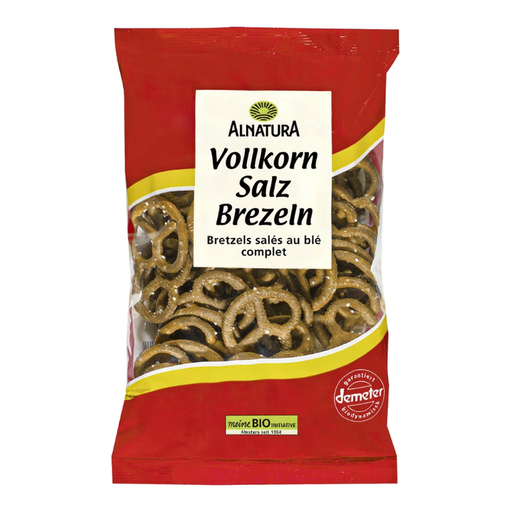
Alnatura organic wholegrain salted pretzels, 125 g
A bagged option if you’d like to serve wholegrain salted pretzels on your snack platter. To compare them with other pretzels, check the fat and salt per 100 g on the pack.
View at Joybuy
 No image available
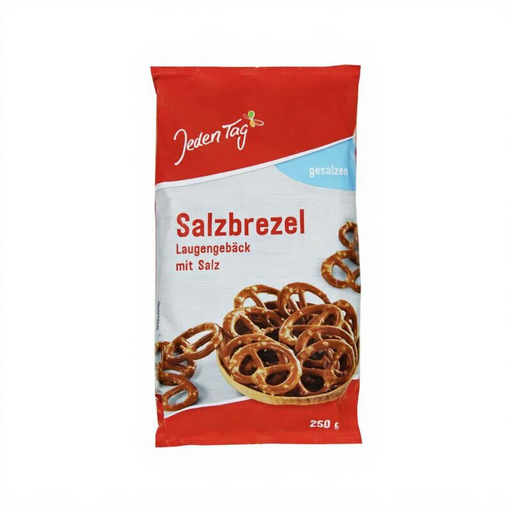
Jeden Tag salted pretzels, 250 g
Salted pretzels for a snack platter with no baking required. If you’re serving other salty foods too, check salt per 100 g as well as fat, and consider the portion you plan to serve.
View at Joybuy
 No image available
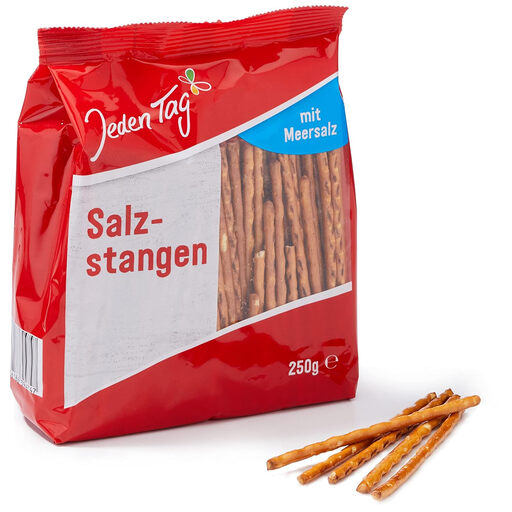
Jeden Tag salted pretzel sticks, 250 g
A stick-shaped alternative to salted pretzels for guests who want ready-to-serve salted snacks. Compare their nutritional values with pretzels using the same per-100 g figures.
View at Joybuy
 No image available
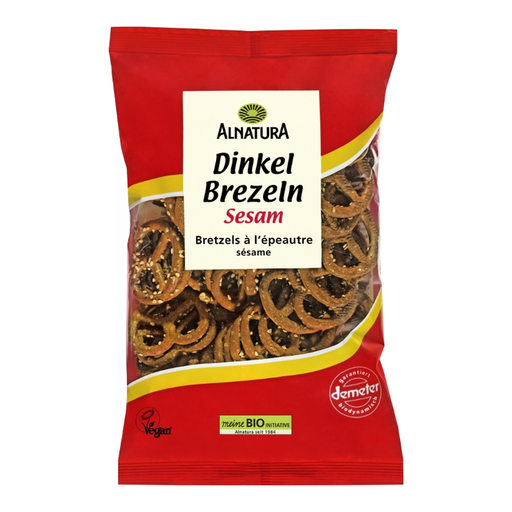
Alnatura organic spelt pretzels with sesame, 125 g
A bagged option if you’d like to serve spelt pretzels with sesame. When choosing, check the fat and salt per 100 g, as well as the ingredients for guests with allergies.
View at Joybuy
Frequently asked questions
Is a pretzel with less fat automatically “reduced fat”?
No. A lower declared fat value than another pretzel doesn’t prove that the specific product carries this claim. Compare fat per 100 g on the packaging, and only use the claim if it appears on the product you’ve chosen.
Why should I compare salt for Italian Night too?
The fat value doesn’t tell you how much salt the pretzels contain. If you’re serving cheese, olives, dips or antipasti alongside them, the salt per 100 g and the portion you’re planning can help you put together your snack platter.
Can I control how much salt goes on bake-at-home pretzels?
EDEKA’s GUT&GÜNSTIG pretzels come with salt supplied separately, so you can sprinkle on as much as you like. Whatever you decide, follow the preparation instructions: these pretzels should be cooked through before eating.
Are pretzels automatically suitable for guests with allergies?
No. Ingredients and precautionary allergen statements vary by product. The pretzels considered here list ingredients including wheat and milk, and may mention traces of other allergens. So check the current packaging for each guest and each type of pretzel you’re actually serving.


