
Lieferung heute & morgen

Qualitätsgarantie

Willkommens-Angebote freischalten: KOSTENLOSE Lieferung | Bis zu 80 % RABATT | Kostenlose 30-Tage-JoyPlus-Testphase
App herunterladen
Primitivo wine is incredibly popular, and for good reason: it's often fruit-forward, full-bodied, and offers excellent value for money. However, the growing selection available can be overwhelming. Marketing jargon and unclear labels often lead to a purchase that doesn't meet your expectations.
As your Joybuy Product Recommendation Officer, I'll help you identify the key characteristics and avoid common pitfalls. The goal is to help you find a Primitivo that's a perfect match for your occasion and taste.
Before we dive into the details, let's clear up three common misconceptions that often lead to choosing the wrong wine.
To find the right Primitivo for you, focus on these three objective characteristics on the label.
The most important piece of information for assessing the wine is its official taste profile. It indicates the residual sugar content.
The designation of origin provides information about where the grapes come from and the production standards.
The demand for wines that align with specific dietary choices or values is growing.
Here are some recommendations tailored to different profiles and needs.
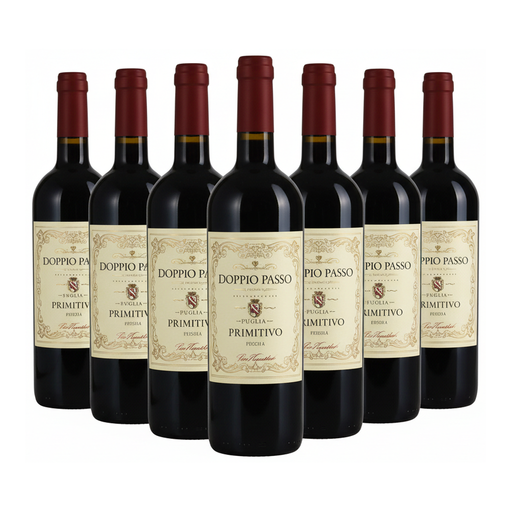
Why this wine is a great fit: Ideal for anyone looking for an approachable and pleasing Italian red wine. Its soft, rounded character makes it the perfect companion for pizza, pasta, or a relaxed evening. The Primitivo wine case of 6 bottles also offers a convenient supply.
The clear declaration as off-dry prevents the "sweetness trap." You get exactly the soft, fruit-forward character you expect from a wine of this style.
The "Doppio Passo" method, where grapes are harvested at two different times, creates a special density and aromatic complexity with a pleasant residual sweetness.
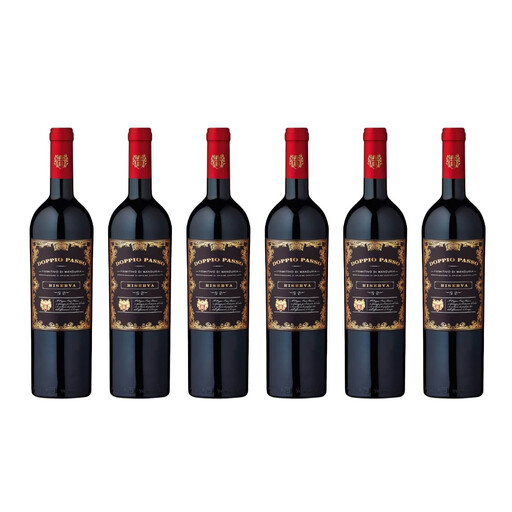
Why this wine is a great fit: For wine lovers who appreciate a complex and structured Primitivo red wine. The DOC origin and Riserva status signify a wine with depth, ideal for a special occasion or an elaborate meal featuring grilled meat.
This wine delivers on the "Riserva" promise. The extended ageing isn't just a marketing term here; it's the result of a controlled process (DOC) that leads to noticeably more complexity and spicy notes.
The combination of the renowned Manduria origin and the Riserva status results in a wine with remarkable structure, aromas of ripe fruit, spices, and vanilla, and a long finish.
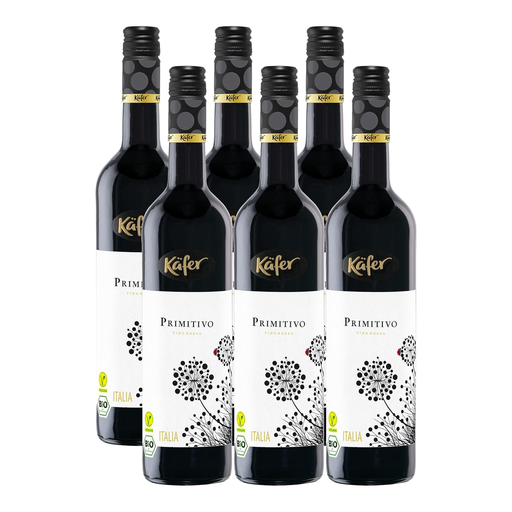
Why this wine is a great fit: This Organic Primitivo is the right choice for anyone who values organic farming and a vegan lifestyle, without wanting to compromise on the classic, dry Primitivo character. It pairs wonderfully with vegetarian dishes like lentil bolognese or mushroom risotto.
The certifications as Organic and Vegan are clearly stated on the label, offering transparency and assurance. The "dry" designation ensures the wine meets expectations as a classic food companion.
It combines the full, fruity taste of a Primitivo from Puglia with the standards of sustainable and animal-friendly production. An indulgence you can feel good about.
We have compiled a complete, up-to-date list of products that fully meet these strict selection criteria.
The shelf life depends on the quality and style of the wine. A simple IGP Primitivo is generally meant for early consumption and should be enjoyed within 2-3 years. A high-quality DOC Primitivo can be cellared for 5-7 years, while a Riserva, under optimal conditions (cool, dark, stored on its side), can age for 10 years or more. Once opened, a bottle of red wine should be tightly sealed, stored in the refrigerator, and consumed within 2-3 days.
Primitivo is a versatile food-pairing wine. A dry Primitivo with robust tannins pairs excellently with intense dishes like grilled beef, rack of lamb, wild boar goulash, or aged hard cheeses like Pecorino. An off-dry Primitivo, with its gentle residual sweetness, is a wonderful match for pasta with rich tomato-based sauces, pizza, lasagne, or grilled dishes with sweet marinades.
"Doppio Passo" literally means "double pass" and refers to a special production method. One portion of the grapes is harvested at full ripeness. The other portion remains on the vine longer to continue ripening and lose water. These later-harvested, almost raisin-like grapes are then fermented a second time with the already-fermented wine from the first harvest. This process gives Doppio Passo Primitivo its characteristic concentration, richness, and a delicate residual sweetness.