
Lieferung heute & morgen

Qualitätsgarantie

Willkommens-Angebote freischalten: KOSTENLOSE Lieferung | Bis zu 80 % RABATT | Kostenlose 30-Tage-JoyPlus-Testphase
App herunterladen
Primitivo wine from Apulia has become incredibly popular in Germany. Its intense fruit, full body, and often velvety texture make it an accessible and enjoyable red wine. However, when buying Primitivo, there are a few pitfalls that can lead to disappointment. Many labels look promising, but not every wine delivers on its promise.
This guide will help you recognise the crucial quality indicators and avoid marketing traps. This way, you can confidently find the Primitivo that truly suits your taste.
To find the right Primitivo, three criteria are essential. These will help you objectively assess a wine's quality and style.
The Italian wine system classifies wines based on their origin and production rules. For Primitivo, these three levels are most relevant:
The official taste description on the label indicates the residual sugar content.
More and more wineries in Apulia are switching to sustainable production methods. An organic Primitivo is produced according to organic farming guidelines, meaning without synthetic pesticides and fertilisers. Vegan wines avoid animal products like gelatine or egg whites during the fining process. These certifications are noted on the label and offer additional guidance for conscious consumers.
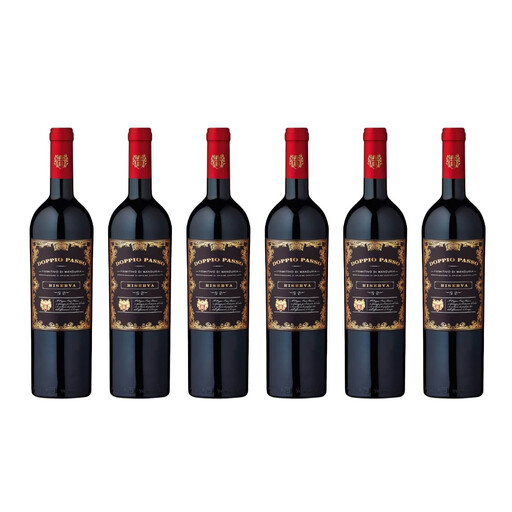
Why This Fits Their Persona: Ideal for wine drinkers who want to step up from a standard Primitivo and are looking for a wine with more structure, depth, and complexity that convinces with its origin and ageing.
This wine sidesteps the "Riserva" trap because it comes from the renowned DOC Manduria region. Here, the rules for a Riserva are clearly defined and linked to high quality standards, which signifies a genuine qualitative upgrade.
DOC status and Riserva ageing ensure a complex aroma profile with notes of ripe fruits, vanilla, and spices. The 14.5% ABV indicates fully ripened grapes and a concentrated flavour.
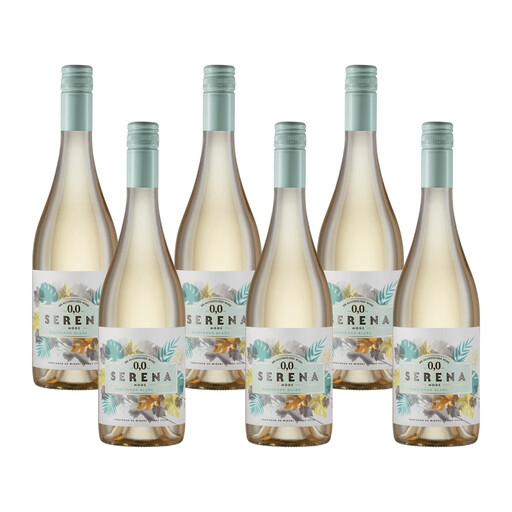
Why This Fits Their Persona: Perfect for consumers who value sustainability and a conscious lifestyle without wanting to miss out on the typical fruity Primitivo taste.
This wine offers clear, verifiable standards with its Organic and Vegan certifications. It avoids vague marketing terms and provides a transparent choice for environmentally and health-conscious buyers.
Combines the full, fruity taste of a dry Primitivo with the benefits of certified organic and vegan production. An accessible wine for everyday enjoyment with a clear conscience.
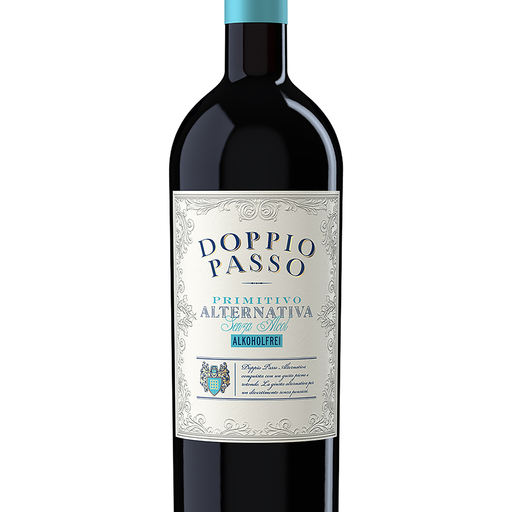
Why This Fits Their Persona: For anyone who loves the fruity character of Primitivo but wants or needs to avoid alcohol. An excellent choice for social occasions where not everyone is drinking alcohol.
This product is clearly positioned as a non-alcoholic alternative. It avoids the disappointment of expecting a "real" wine and instead delivers a wine-based beverage that highlights the typical fruit flavour.
Offers full Primitivo fruit enjoyment with 0.0% ABV. The nutritional information is transparent, and the slight sweetness (7.0 g sugar/100 ml) makes it an accessible and tasty alternative.
We have compiled a complete, up-to-date list of products that fully meet these strict selection criteria and German regulations.
1. What does "Doppio Passo" mean for Primitivo wine? "Doppio Passo" means "double pass" and refers to a special production method. One portion of the grapes is harvested at the normal time at full ripeness. A second portion remains on the vine longer to ripen further and lose water. These later-harvested, highly concentrated grapes are then added to the already fermented wine from the first harvest to start a second fermentation. The result is a wine with more body, more intense fruit aromas, and often a subtle residual sweetness.
2. What foods pair well with Primitivo red wine? Thanks to its bold and fruity character, Primitivo is a versatile food companion. It pairs excellently with:
3. What is the shelf life of Primitivo wine? The shelf life depends on the quality level. A basic Primitivo Puglia IGT is generally meant for early consumption and should be drunk within 2-4 years of the harvest. A high-quality Primitivo di Manduria DOC, especially a Riserva, has greater ageing potential and can develop positively over 5-8 years or more. Store the bottles lying down in a cool, dark place with a constant temperature.