
Lieferung heute & morgen

Qualitätsgarantie

Willkommens-Angebote freischalten: KOSTENLOSE Lieferung | Bis zu 80 % RABATT | Kostenlose 30-Tage-JoyPlus-Testphase
App herunterladen
As your Joybuy Product Recommendation Officer, I often see shoppers facing a challenge when choosing a Primitivo wine. The popularity of this grape variety has led to a flood of options, making it difficult to keep track. Many wines promise more than they deliver, leading to disappointment. My goal is to provide you with objective criteria so you can confidently find the Primitivo that truly suits you.
The most common purchasing pitfalls are often well-disguised. Here are two typical problems that can lead to a poor choice:
To ensure the wine meets your expectations, you should check three core aspects. These will help you objectively assess the quality and style of a Primitivo wine.
The origin is a crucial indicator of quality. The majority of Primitivo from Apulia is offered under two main classifications:
The information on the label is only half the story. A Primitivo dry is legally allowed to contain up to 9 grams of residual sugar per litre. A Primitivo off-dry is above that. Due to the intense aromas of dark fruits like plum, cherry, and blackberry, many dry Primitivos still feel soft, round, and slightly sweet on the palate.
Some wines, like the well-known Doppio Passo Primitivo, are made using a process where grapes are harvested at different stages of ripeness. This enhances the fruit concentration and velvety texture, leading to a fuller, often perceived as slightly sweet, taste experience.
Primitivo is versatile. Besides the classic Primitivo red wine, there are also excellent Primitivo Rosé wines, which are distinguished by their fresh berry aromas and offer a lighter alternative for warmer days.
Additionally, the range of wines with special features is growing:
Here are some recommendations tailored to different needs and taste preferences.
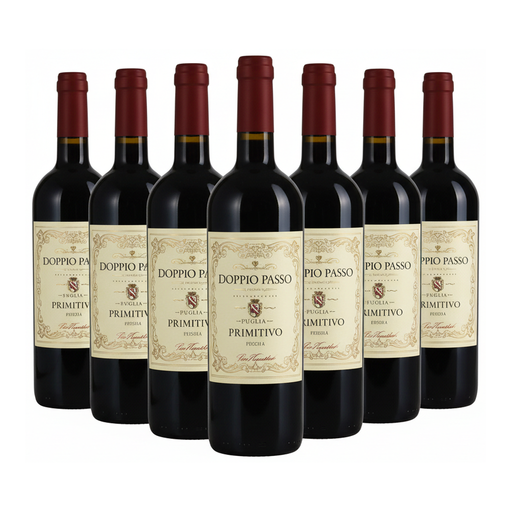
Why This Fits Their Persona: Ideal for those seeking an uncomplicated, fruit-forward, and smooth red wine for everyday enjoyment or social gatherings. The 6-pack offers excellent value for money.
This wine is transparently positioned as an off-dry IGP wine. It doesn't promise over-the-top complexity but reliably delivers a round and pleasing flavour that appeals to many.
Intense aromas of blackberries and cherries; soft tannins and a full body make it very approachable.
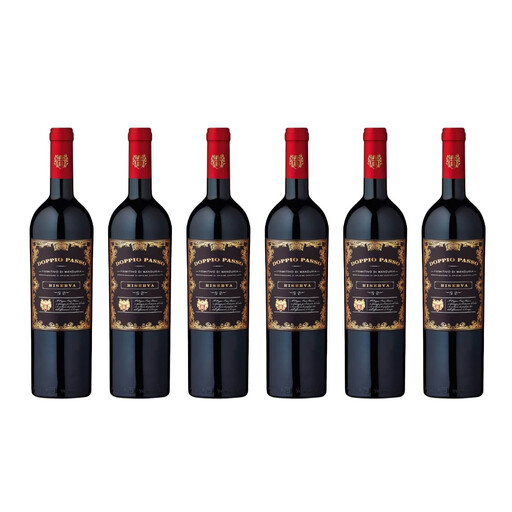
Why This Fits Their Persona: For wine drinkers who value origin, structure, and complexity. The DOC classification and "Riserva" status signal a more sophisticated wine.
Here, the "Primitivo di Manduria" (DOC) and "Riserva" designations are protected by Italian wine law. They guarantee a controlled origin and a mandatory ageing period, which rules out empty marketing promises.
A complex bouquet with notes of ripe fruits, vanilla, and spices; a full body and a long, persistent finish.
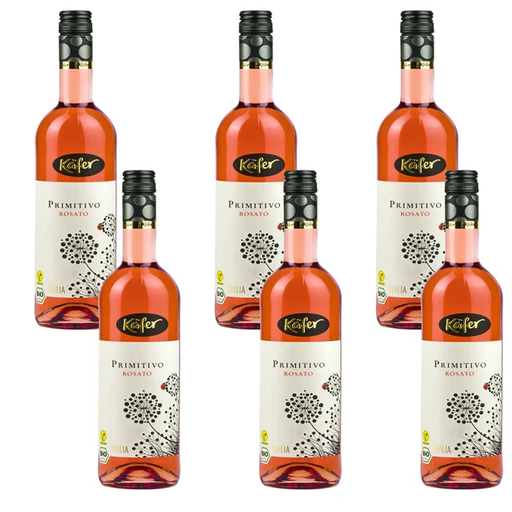
Why This Fits Their Persona: An excellent choice for anyone who prefers a lighter, more refreshing version of Primitivo while also valuing sustainable and vegan production. Perfect for summer and light dishes.
The "Organic" and "Vegan" seals are certified and therefore verifiable. The wine is clearly declared as a Rosé, so there are no false expectations of a heavy red wine. It is vinified dry and offers an invigorating freshness.
Certified organic and vegan production; delicate berry aromas and a refreshing character that pairs well with salads or mushroom dishes.
We have compiled a complete, up-to-date list of products that fully meet these strict selection criteria.
1. What does "Doppio Passo" mean for a Primitivo? "Doppio Passo" means "double pass" and refers to a special production method. One portion of the grapes is harvested at the optimal point of ripeness. A second portion remains on the vine longer to continue ripening and lose water. These later-harvested, more concentrated grapes are then added to the first fermentation. The result is a wine with more intense fruit, greater richness, and a softer, more velvety texture.
2. What is the shelf life of a Primitivo wine? The shelf life depends heavily on the quality level. Simple IGP Primitivos are generally intended for early consumption and should be drunk within 2-3 years. A high-quality Primitivo di Manduria, especially a Riserva, can certainly mature for 5 to 10 years with proper cellaring (cool, dark, stored on its side) and gain in complexity. A Primitivo Rosé, on the other hand, should be drunk young and fresh, ideally within 1-2 years of harvest.
3. Does Primitivo only pair with hearty dishes? While a powerful Primitivo red wine is a classic pairing for red meat, game, pasta with rich sauces, and aged cheese, the grape variety is more versatile. A lighter, fruitier Primitivo IGP also pairs well with pizza or grilled vegetables. A Primitivo Rosé is an excellent aperitif and accompanies salads, fish, or light meat dishes. It always depends on the specific style of the wine.