
Lieferung heute & morgen

Qualitätsgarantie

Willkommens-Angebote freischalten: KOSTENLOSE Lieferung | Bis zu 80 % RABATT | Kostenlose 30-Tage-JoyPlus-Testphase
App herunterladen
When your printer stops working because the ink or toner is empty, an often overwhelming search begins. The market for printer cartridges is flooded with options, but not all of them are a good choice. Making the wrong decision not only leads to poor print results but can also result in higher costs or even damage your device. This guide will help you navigate the common pitfalls and find the right cartridge for your needs.
The 3 Most Common Mistakes When Buying Printer Cartridges:
Choosing between different cartridge types is one of the most fundamental decisions. Each option has specific advantages and disadvantages that should align with your priorities—be it price, quality, or warranty protection.
To avoid making a bad investment, two technical parameters are of central importance.
The exact model number is the key to finding the right cartridge. Do not rely on the printer model alone. You can find the correct cartridge designation in several places:
Note this number down precisely before you order toner or search for new ink cartridges.
Most manufacturers offer their cartridges in two sizes: standard and high yield (often marked with "XL" or "H").
Here are some recommendations tailored to different user groups and their specific needs.
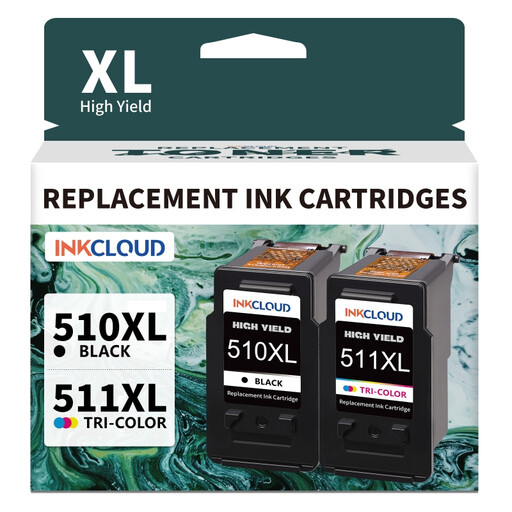
Why it fits this profile: Ideal for users who occasionally print documents or photos at home and are looking for a cost-effective solution. The set of black and colour cartridges offers excellent value for money.
This remanufactured cartridge is based on an original casing and is professionally refilled. This minimises the risk of incompatibility and poor quality common with unknown no-name products. The XL capacity counters the cost-per-page trap.
Significant cost savings compared to buying two individual original cartridges. Reusing cartridge bodies also reduces plastic waste.
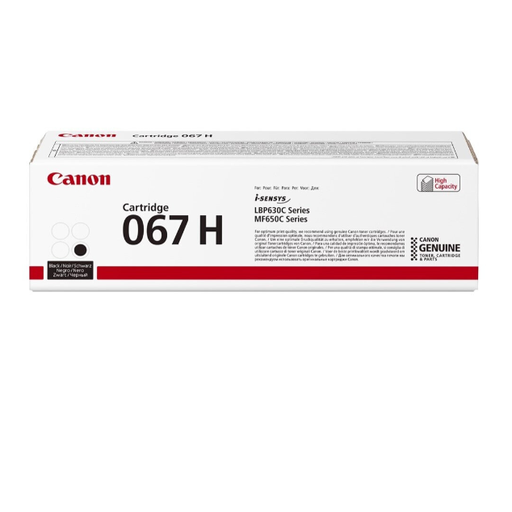
Why it fits this profile: For small businesses or demanding home offices where reliability and high print volumes are the norm. This **black laser toner** is designed for efficiency.
The "H" designation stands for "High-Yield." This cartridge bypasses the cost-per-page trap by offering a high page yield of up to 3,130 pages. As an original Canon product, compatibility risks are completely eliminated.
Reduces the frequency of toner replacement and lowers operating costs for high-volume printing. Guarantees consistently sharp print results for professional documents.
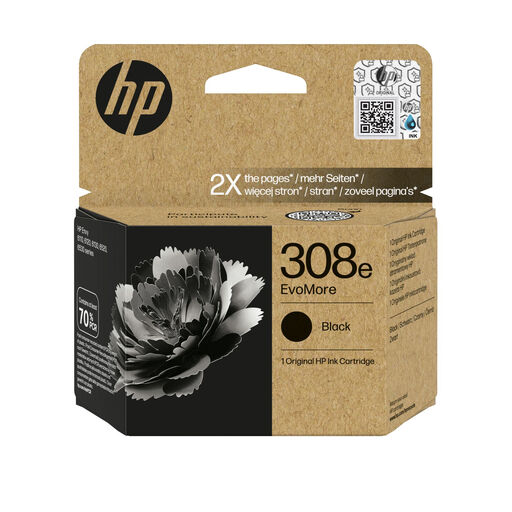
Why it fits this profile: For users who want to take zero risks with their HP printer and value maintaining the full manufacturer's warranty. The pigmented ink ensures long-lasting, smudge-proof prints.
As an original HP product, this cartridge bypasses all compatibility and quality risks that can arise with cheaper alternatives. The investment protects the longevity of the printer.
Guarantees 100% compatibility and optimal performance with HP Thermal Inkjet technology. The printer's warranty is fully protected.
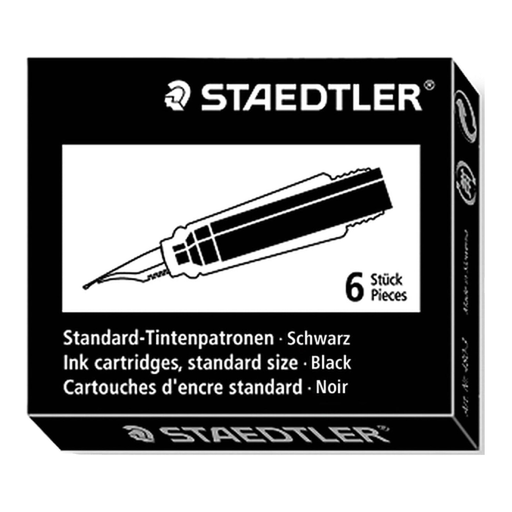
Why it fits this profile: For students, pupils, and writing enthusiasts who need high-quality **fountain pen cartridges** for daily use. The ink is known for its smooth flow and reliability.
These cartridges use the "Standard International" format. This avoids the common mistake of buying brand-specific cartridges that only fit the manufacturer's own fountain pens. They offer broad compatibility.
Universal fit for a wide variety of fountain pens that do not use proprietary systems. Made in Germany by an established brand for stationery products.
We have compiled a complete, up-to-date list of products that fully meet these strict selection criteria and German regulations.
Original (OEM) cartridges come directly from the printer manufacturer and are designed for maximum quality and reliability. Compatible cartridges are brand-new replicas from third-party manufacturers, offering a more cost-effective alternative. Remanufactured cartridges are recycled original cartridges that are cleaned and refilled, making them a budget-friendly and environmentally conscious choice.
The surest way is to read the model number directly from your old, empty cartridge. Alternatively, you can find this information in your printer's manual or often on a sticker inside the device. Always search for this specific number, not just the printer model.