
Lieferung heute & morgen

Qualitätsgarantie

Willkommens-Angebote freischalten: KOSTENLOSE Lieferung | Bis zu 80 % RABATT | Kostenlose 30-Tage-JoyPlus-Testphase
App herunterladen
When your printer's warning light flashes, a daunting quest often begins. The market for printer cartridges is vast, price differences are significant, and manufacturer promises are plentiful. However, the wrong choice can not only lead to poor print results but also cause unexpected costs or, in the worst-case scenario, damage your device.
As your Joybuy Product Recommendation Officer, I'm here to help you separate essential facts from marketing hype. This guide will show you the most common pitfalls when buying ink cartridges and provide you with clear criteria to make the right decision for your needs.
Before you buy printer cartridges online, you should be aware of these common issues to avoid making a poor investment.
To avoid these mistakes, focus on three verifiable criteria. These will help you make an informed and economical choice.
The most important step is to identify the exact cartridge number. You can find this directly on the old cartridge, in your printer's manual, or on the manufacturer's website. Pay close attention to every digit and letter.
The page yield, specified according to the ISO/IEC 24711 standard, is a standardised value that indicates how many pages a cartridge can print under defined conditions. This allows for an objective comparison.
The type of ink significantly influences the print result.
Here are some recommendations tailored to different needs and printing habits.
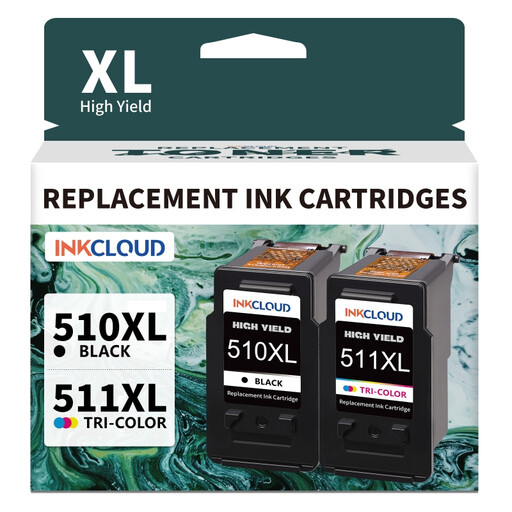
Why This Fits Their Persona: This set of remanufactured cartridges is a cost-effective solution for owners of common Canon Pixma printers who primarily print documents and occasional colour graphics. It offers a high page yield at a fraction of the price of original cartridges.
The XL capacity bypasses the low-yield cost trap. Professionally remanufactured cartridges offer a reliable alternative and reduce the risk of quality issues compared to no-name refills.
Significant cost savings per page; a more eco-friendly option due to the reuse of original components.
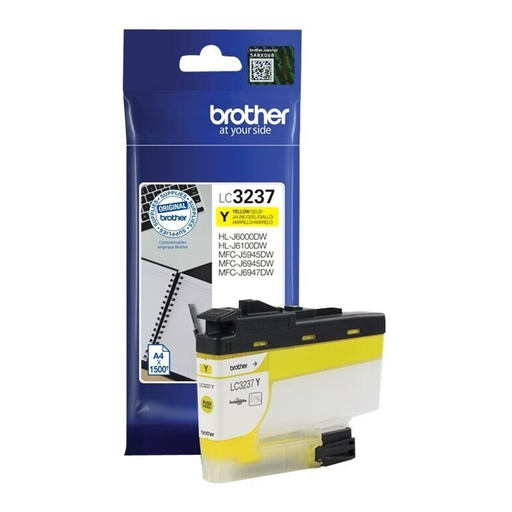
Why This Fits Their Persona: For users of Brother business printers who depend on high reliability and large print volumes. This original cartridge is designed for continuous use and delivers consistent results for important business documents.
As an original (OEM) cartridge, it completely eliminates the compatibility trap. The high yield of up to 1,500 pages ensures a predictable and low cost per page, avoiding the cost trap.
Very high page yield; guaranteed compatibility and reliability; PTS certification for document permanence, according to Brother.
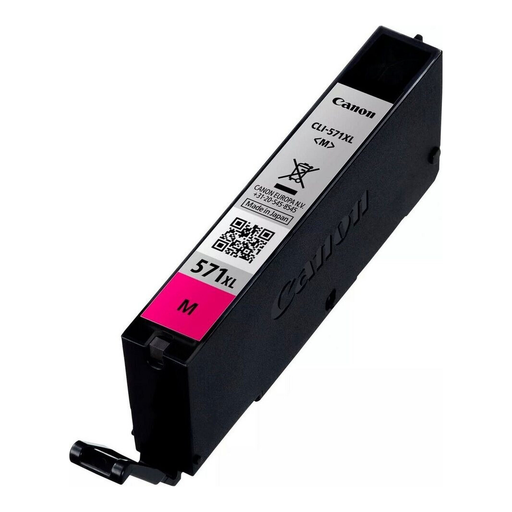
Why This Fits Their Persona: This cartridge is designed for users of Canon PIXMA photo printers who value maximum colour brilliance and longevity for their prints. The ChromaLife100 system ensures exceptionally durable photo prints.
It bypasses the quality trap by using an original ink specially developed for photo printing. This ensures precise colour reproduction and protects the sensitive printhead from damage caused by unsuitable ink.
Optimised for vibrant and long-lasting photo prints; XL capacity for more prints per cartridge; perfectly matched with Canon photo papers.
We have compiled a complete, up-to-date list of products that fully meet these strict selection criteria and German regulations.
1. What is the shelf life of printer cartridges? Unopened printer cartridges typically have a shelf life of about 18 to 24 months. The manufacturing or expiration date is often printed on the packaging. Store them in a cool, dark place. Once installed in the printer, a cartridge should be used within six months to prevent the ink from drying out.
2. Can compatible printer cartridges damage my printer? With cartridges from reputable third-party manufacturers, the risk is low. These manufacturers invest in quality control to ensure their ink does not clog or damage the printheads. Problems usually arise with extremely cheap, no-name products or improperly refilled cartridges. However, using non-original cartridges may affect the printer manufacturer's warranty terms.
3. What does page yield according to the ISO standard mean? The ISO/IEC standards (e.g., 24711 for colour printers) define a standardised testing procedure to determine page yield. This involves printing a set of five test pages with an average coverage of about 5% per colour until the cartridge is empty. This value serves as an objective basis for comparison; the actual yield may vary depending on the printed content (e.g., full-page photos vs. short text).