Students archiving poems individually
If you want to preserve handwriting, page layout and any coloured annotations digitally, a flatbed, suitable scan settings and careful handling of the originals are important.


For individual handwritten poems, a colour all-in-one printer with an A4 flatbed is a sensible starting point, especially if you want to preserve ink colours or marginal notes. An automatic document feeder can save you from loading sheets one at a time when you have a large number of loose, suitable pages, but it doesn’t tell you whether the printer supports duplex scanning or is suitable for delicate originals. If you also print regularly, compare cartridges, ink tanks and – if you don’t need colour prints – mono laser printers, based on how much you expect to print.
If you want to preserve handwriting, page layout and any coloured annotations digitally, a flatbed, suitable scan settings and careful handling of the originals are important.
If you share a desk or shelving, remember to allow space for the paper feed and open scanner lid. Wi-Fi, USB or a mobile device connection should also suit your setup.
If you regularly print drafts or study materials as well as poems, compare the relevant cartridges, ink bottles or toner over the period you plan to use the printer.
| What matters | What to check before buying | Who will find this especially important? |
|---|---|---|
| Preserving handwriting digitally | Flatbed size for your poems; scan settings for colour or greyscale and the file format you need. | If I want to save individual poems as files, preserving their layout and coloured marginal notes, I value the control of a flatbed scan more than the speed of processing a stack. Around 36% of consumers put faithful digitisation of handwriting first. |
| Space and setup | Measure the clearance needed for the open lid and paper feed; check that Wi-Fi, USB or a mobile device connection will work with your setup. | If you share a desk or shelving, you’ll also need to allow room to operate the printer and feed paper through it. For around 29% of consumers, suitable space and setup come first. |
| Ongoing printing costs | Make a note of the consumables for the specific model and compare printer and consumable costs for the same usage and period. | If I print lots of drafts or study materials, I want to factor in consumables rather than focus only on the printer itself. Around 21% of consumers prioritise ongoing printing costs. |
| Scanning lots of loose pages | Check the ADF capacity and whether it can handle your originals; if your poems are double-sided, specifically check for duplex scanning. | When you have a stack of loose poems that are suitable for a feeder, it can save you from loading each one individually. For around 14% of consumers, handling lots of sheets is the top priority. |
A high print resolution on its own doesn’t tell you how much detail a scanner can capture in handwriting. The original and your chosen scan settings also affect the result.
Check the scanner specifications separately from the print specifications, and scan a test page of your own in the file format you need.
Canon describes the PIXMA TR7650’s ADF as single-sided. Automatic double-sided printing therefore doesn’t necessarily mean that both sides of a poem can be fed through and scanned.
If your poems are written on both sides, check the scanning function specifically; otherwise, you may need to turn the pages over manually.
Different models use different consumables. Manufacturers’ page-yield figures aren’t a reliable prediction of your own printing needs.
Compare the relevant cartridges, ink bottles or toner and, where applicable, the drum or maintenance cartridge for the same print volume and period.
You’ll need access to the lid when scanning, and depending on the paper feed, space to load paper too.
Measure the intended spot with the cover open and the printer ready to use, rather than comparing only the dimensions of the closed unit.
Canon describes various PIXMA models for individual originals or loose stacks.
Brother offers both colour inkjet models for smaller workspaces and a mono laser printer with an A4 flatbed.
HP offers different options here, including a refillable ink tank model and a cartridge model with an ADF.
The Epson models listed differ in features such as refillable tanks, individual cartridges and ADFs.
The following printers combine scanning individual originals with printing functions. The range includes mono laser models and a colour laser multifunction printer.
 No image available
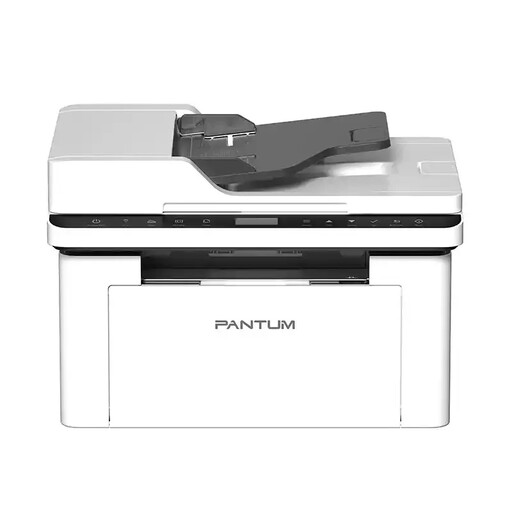
For individual poem sheets and additional black-and-white printing; the product details list a flatbed scanner with colour scanning. The printer works in monochrome, so it can’t produce colour prints.
The product title lists 22 ppm, Wi-Fi and an ADF.
 No image available
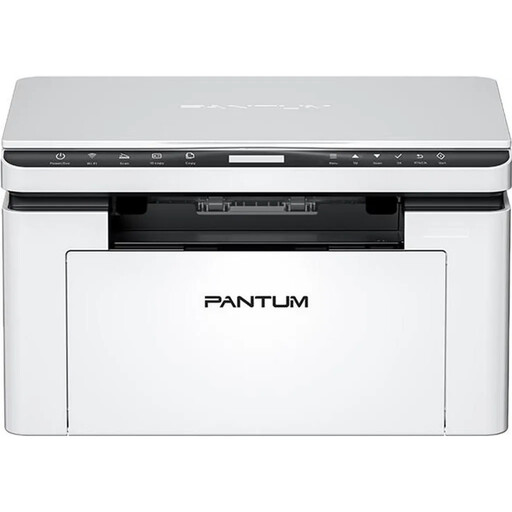
For individual poem sheets and additional black-and-white printing; the product details list a flatbed scanner with colour scanning. Printing is monochrome, so it can’t produce colour prints.
The product title lists 22 ppm, dual-band Wi-Fi and Ethernet.
 No image available
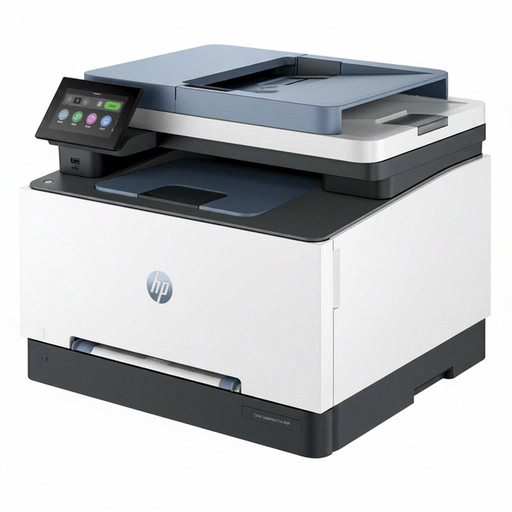
A flatbed scanner is listed for individual originals; the product title identifies this model as a colour laser printer. Before choosing it, check whether the scan output is suitable for your poems.
The product title lists automatic double-sided printing, Wi-Fi, Ethernet and USB. This printing function doesn’t automatically mean it can scan both sides.
Not necessarily. You can place individual or delicate originals on a suitable flatbed one at a time; an ADF is most useful when you have lots of loose sheets that are suitable for feeding. Canon describes the PIXMA TR7650’s ADF as single-sided, not as a duplex scanner.
Start by scanning a test page of your own and check it at an enlarged size. Depending on the pen and what you plan to use the scan for, choose colour or greyscale and a suitable file format. The Library of Congress notes that the right resolution depends on the original and how it will be used later.
The Library of Congress recommends a lint-free cloth, lightly dampened with water, and advises against spraying water directly onto the scanner. Also follow the care instructions for your specific device.
Compare the cartridges, ink bottles or toner suitable for each model and, where applicable, the drum or maintenance cartridge. Use the same expected print volume and period for every printer; manufacturers’ page-yield figures aren’t an individual forecast of your usage.
Your statutory rights for faulty goods are against the seller and are separate from any voluntary guarantee. According to Verbraucherzentrale, consumers can assert their statutory rights for newly purchased goods within two years of delivery.